

When professional painters tackle an exterior paint project, they’re not just thinking about which paint color will complement your home’s architecture. They’re also carefully monitoring weather conditions, humidity levels, and a critical measurement called dew point. Understanding this painter’s secret can help you achieve a flawless exterior finish and avoid costly mistakes.
What Is Dew Point and Why It Matters for Your Exterior Paint Job
Dew point is a meteorological term that describes the temperature at which moisture in the air will condense into liquid. Most weather apps display this measurement alongside the actual temperature and the “feels like” value. When outdoor air cools to or below the dew point temperature, humidity reaches 100 percent, and water vapor transforms into condensation. This process creates fog, dew, and rain, but it also creates serious problems for wet paint on your home’s exterior surfaces.
If moisture condenses on freshly painted walls or if rain arrives unexpectedly, your paint job can suffer from slower drying times, poor adhesion to the surface, visible streaks, and bubble formation. These defects compromise both the appearance and durability of your exterior paint color choice.
The 5-Degree Rule Professional Painters Use
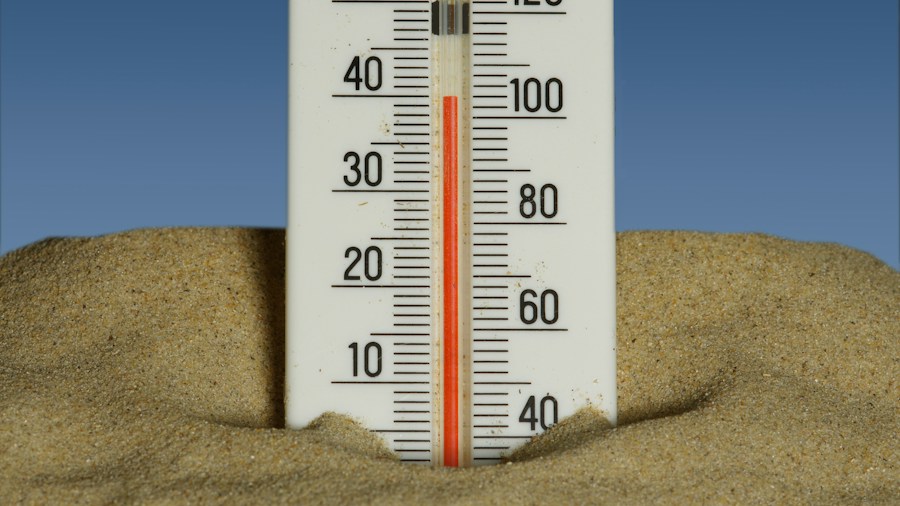
To avoid these problems, professional painters follow a straightforward guideline: they refuse to paint exterior surfaces until the temperature is at least 5 degrees Fahrenheit above the current dew point. This cushion provides a safety margin that prevents moisture from accumulating on your freshly painted walls before the paint has time to dry and adhere properly.
This simple rule has become standard practice across the painting industry because it consistently delivers professional-quality results. Whether you’re planning a dramatic transformation with a bold paint color or maintaining your home with a fresh coat of the same shade, respecting the dew point rule ensures your investment looks great for years to come.
How to Check Conditions Before You Paint
Checking the dew point is easy: simply look at your weather app to find the current dew point measurement. However, determining whether your home’s exterior surfaces meet the temperature requirement demands a more hands-on approach. Professional painters use an infrared thermometer to measure the actual temperature of the wall, trim, and other surfaces they plan to paint. These tools are affordable, typically costing under $20, and provide an accurate reading in seconds. Throughout the day, conditions change, so taking multiple temperature readings helps ensure you’re painting at the right time.
Understanding the Ideal Temperature Range for Exterior Paint

While the dew point rule provides a critical lower-temperature limit, there’s also an upper limit to consider. Most exterior paints perform best when applied between 35 and 100 degrees Fahrenheit, though you should always check the specific manufacturer’s instructions on your paint can. Applying paint to excessively hot surfaces can cause wrinkles, peeling, and improper paint flow, which undermines the professional appearance you’re trying to achieve.
This means that even on warm, sunny days, you need to verify your surface temperature before beginning work. An infrared thermometer prevents you from making this costly error and helps you time your project perfectly.
The Best Season for Exterior Painting Projects
Spring and fall typically offer the most favorable conditions for exterior painting because temperatures tend to be moderate and humidity is lower. However, by understanding and applying the dew point rule, you can find suitable painting windows during other seasons as well. Even summer or winter projects become possible when you monitor conditions carefully and choose your painting day strategically.
Before selecting your final paint color, consider how seasonal weather patterns in your region might affect your project timeline. Paint color selection becomes even more important when you understand how weather impacts the application process, because choosing quality paint that tolerates a wider temperature range provides better insurance against imperfect conditions.
Whether you’re refreshing your home’s existing paint color or making a dramatic change, taking the time to understand these professional guidelines protects your investment. Bold paint color choices deserve proper application conditions to look their absolute best, and following the dew point rule ensures your exterior maintains its beauty through all seasons. By respecting weather conditions and using basic tools to verify surface temperature and dew point, you’ll achieve results that rival professional painter standards.










Write Your Review
No reviews yet. Be the first to share your experience!