

A 1978 Southern California home that had remained untouched for decades recently underwent a complete transformation. The property, which featured deteriorating original finishes including dated wallpaper, worn carpet stains, and water damage, has now been restored into a modern, light-filled living space. For homeowners considering similar projects, this renovation offers practical insights into what’s possible when removing outdated materials and refreshing interiors.
What the Home Looked Like Before
The couple who purchased this property found themselves with a significant fixer-upper. The walls still bore the original dirty wallpaper from the 1970s era, combined with linoleum flooring, a popcorn ceiling, and extensive staining throughout. Water damage appeared in multiple rooms, windows leaked, and the kitchen contained black mold that required professional remediation. Despite these challenges, the location and neighborhood appeal made the investment worthwhile for the buyers.
Scope of the Renovation
The renovation focused primarily on the kitchen and family room areas. In the family room, the couple removed the popcorn ceiling, retextured walls, added fresh paint, new trim, and updated lighting. The kitchen required more aggressive intervention, with work stripped down to the studs due to mold contamination. To control costs, they maintained the existing kitchen layout rather than reconfiguring the space.
Professional contractors handled specialized installations including cabinets, countertops, new flooring, replacement windows, and exterior doors. A friend contributed by installing the tile backsplash. The homeowners tackled many tasks themselves, including drywall installation, sink placement, appliance setup, open shelving, and LED lighting. This mix of professional and DIY work helped keep the total budget at approximately $30,400 for both rooms.
Strategic Design Choices for Maximum Impact
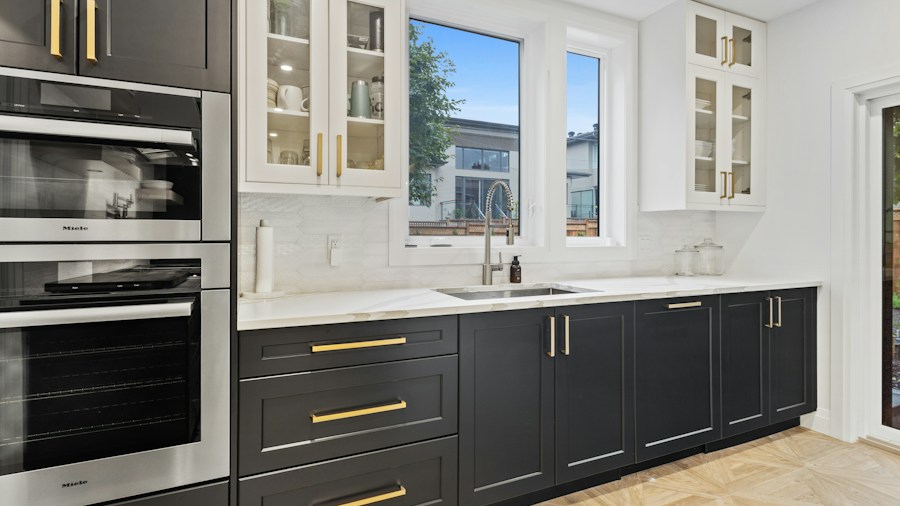
Removing the old wallpaper and replacing it with freshly painted walls created an immediate sense of openness. The addition of updated lighting throughout both spaces enhanced brightness considerably. These changes, combined with new windows that allow more natural light to enter, transformed the overall feel of the home dramatically.
The homeowners also prioritized creating visual flow between rooms and eliminating dark, heavy materials that absorbed light. This approach to modernizing a dated space demonstrates how strategic material selection during renovation can significantly affect perceived size and comfort level. Similar transformations have shown that wallpaper choices, whether removing old patterns or selecting new designs, can make compact spaces feel considerably more spacious.
Key Takeaway: Perceived Space vs. Actual Square Footage
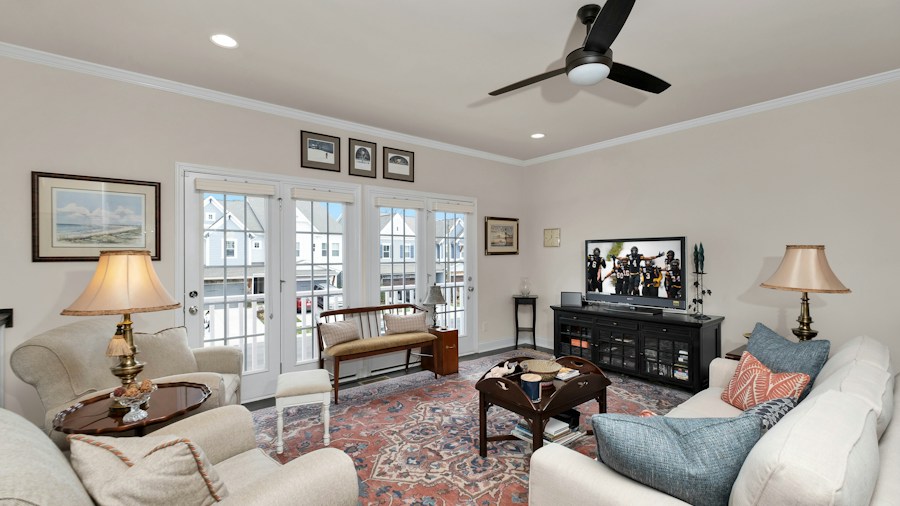
Perhaps the most striking result of this renovation is that the space now feels like it has doubled in size, even though the actual square footage remains the same. This perception shift comes from the combination of lighter colors, reduced visual clutter, improved lighting, and fresher finishes. The removal of dated wallpaper and introduction of neutral wall treatments eliminated visual competition and created a calming backdrop.
For shoppers planning their own renovations, this project demonstrates that the most impactful changes often involve removing dated elements rather than adding new complexity. When considering wall treatments during a refresh, selecting lighter and more contemporary options can contribute to the same spacious feeling this homeowner achieved.
Lessons Learned
The homeowners reflected on decisions they would reconsider if starting over. One specific regret involved choosing dark flooring paired with a light-colored dog. This combination created practical maintenance challenges that might have been avoided with lighter floor selections from the beginning.
The couple also views their renovation as an ongoing process rather than a completed project. This mindset allows them to continue refining and improving the space gradually, rather than considering the work finished after the initial major renovations. Other homeowners have similarly used phased approaches to updating worn spaces, tackling wall treatments and finish work over extended periods.
What This Means for Your Shopping Decisions
If you’re facing a home with outdated wallpaper and dated finishes, this renovation proves that significant transformation is achievable within a reasonable budget when you prioritize strategic renovations. Focusing spending on professional work that requires expertise, like structural repairs and cabinet installation, while handling painting and finishing work yourself can stretch your renovation dollars further.
The dramatic difference in perceived space size also suggests that shoppers should prioritize bright, light-reflective finishes and paint colors when updating dated homes. Removing heavy visual elements like patterned wallpaper can have as much impact as adding new design features, particularly when combined with improved lighting and fresh paint.












Write Your Review
No reviews yet. Be the first to share your experience!