

Celebrity Designer Reveals Luxury Dining Room Lighting Strategy Gaining Momentum
Interior design trends often trickle down from celebrity homes to mainstream living spaces, and a lighting approach popularized by designer Jeff Andrews is now catching the attention of homeowners nationwide. The strategy involves hanging three coordinated chandeliers above a dining table instead of a single central fixture, creating visual balance and warmth that transforms how diners experience the room.
This lighting technique has real practical benefits beyond pure aesthetics. When chandeliers are arranged in groups of three, they eliminate harsh shadows at table ends and distribute light more evenly across the entire dining surface. The human eye naturally perceives odd-numbered groupings as balanced without feeling rigid or forced, which explains why this approach resonates with design professionals and homeowners alike.
How the Three Chandelier Method Works
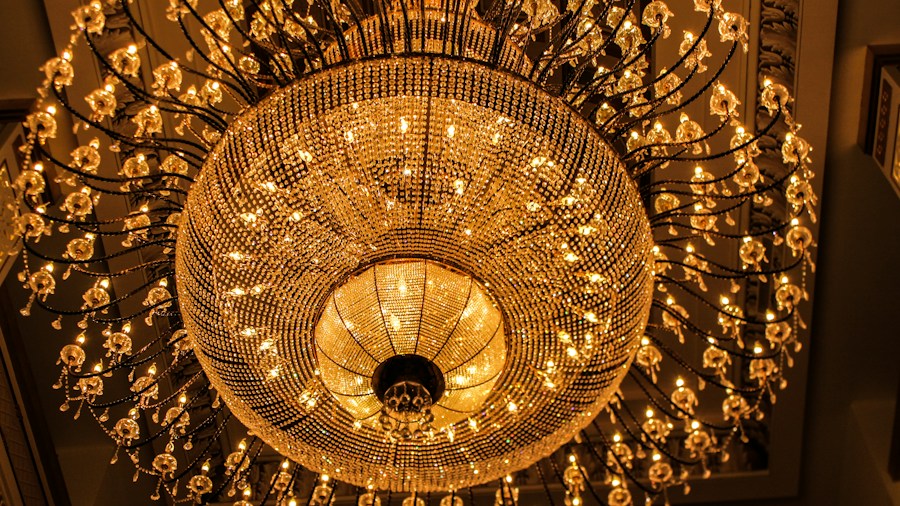
The strategy behind three suspended fixtures relies on specific spacing and scaling rules. Each chandelier diameter should be proportionally smaller than a single centerpiece would be, so the combined width of all three lights equals approximately two-thirds of your dining table width. This ensures the fixtures frame the table without overwhelming the space.
Proper spacing between fixtures matters significantly for the final effect. Professional designers recommend positioning chandeliers 24 to 30 inches apart, measured from center to center. The bottom of each fixture should hang 30 to 36 inches above the tabletop, ensuring adequate clearance for diners and creating balanced illumination. These measurements prevent crowding while maintaining visual cohesion across the length of your dining area.
One critical element often overlooked by DIY installations is electrical wiring. All three chandeliers must connect to a single dimmer switch. This unified control allows you to adjust light intensity across the entire group simultaneously, creating the warm, inviting ambiance that distinguishes luxury dining experiences from basic table lighting. Without this coordinated dimming capability, the fixtures function as separate elements rather than a cohesive design statement.
Design Benefits for Your Dining Space
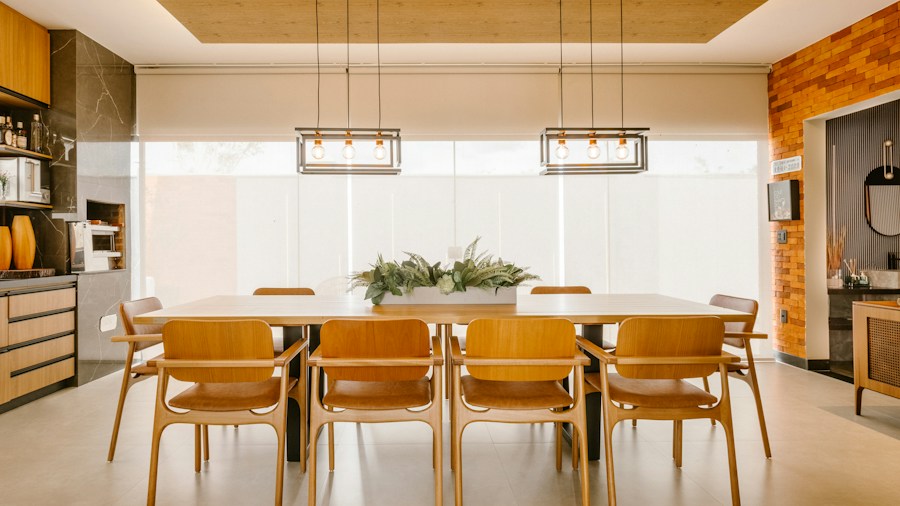
Beyond aesthetic appeal, the three-chandelier approach solves genuine functional challenges in dining rooms. A single overhead light creates distinct bright and dark zones across a long table, leaving diners at either end in relative shadow. Multiple suspended fixtures distribute ambient light evenly, allowing everyone at the table to see their food and companions clearly.
The technique also makes dining spaces feel larger and more expansive. By drawing the eye along the table rather than focusing it on a single central point, the room gains perceived depth and visual interest. This approach works particularly well in contemporary dining setups where drop leaf dining tables maximize flexible seating arrangements, as the lighting naturally accommodates variable table configurations.
Material variety enhances the visual impact. Using antique or vintage chandeliers with slightly different designs creates subtle asymmetry that feels deliberately curated rather than randomly assembled. This mix-and-match quality appeals to shoppers who view their dining rooms as personal expression rather than cookie-cutter interior spaces.
Bringing This Trend Home
Recreating this lighting strategy requires thoughtful planning but remains achievable for most homeowners. Start by measuring your dining table width and selecting three chandeliers that work together visually while respecting the two-thirds width rule. They need not be identical, but they should share complementary design language, whether that means similar materials, color tones, or era classifications.
Furniture choices beneath the chandeliers influence how well this lighting strategy works in your space. Upholstered dining chairs in rich, textured fabrics like chocolate brown or deep charcoal pair beautifully with crystal fixtures, grounding the visual weight overhead. Consider how your existing dining table materials and finishes coordinate with your chosen chandeliers to ensure a cohesive look.
Electrical installation should involve a licensed electrician if you’re converting from single-fixture wiring. The investment in proper installation and a quality dimmer switch pays dividends through years of reliable, adjustable lighting. Budget accordingly for both fixtures and labor rather than attempting complex electrical work without expertise.
As homeowners increasingly prioritize dining spaces that feel both luxurious and genuinely functional, the three-chandelier approach addresses both priorities simultaneously. This trend reflects a broader shift toward personalized, layered interior design that prioritizes warmth and visual interest over minimalist single-statement aesthetics. Complementary centerpiece choices like sculptural vases can further enhance the sophisticated atmosphere created by strategic lighting design.









Write Your Review
No reviews yet. Be the first to share your experience!