

A New Approach to Coffee Table Customization
Most furniture decisions feel permanent. You pick a coffee table finish, live with it for years, and accept that replacing it is the only way to change your mind. A new prototype from Romanian designer mkt is challenging that assumption by letting homeowners swap out the tabletop pattern without replacing the entire piece.
The LUMVIA coffee table features a hexagonal top surrounded by a solid oak frame, but the real innovation lies in what covers that frame: 24 interchangeable triangular tiles arranged in a mosaic pattern. Instead of being permanently attached, these tiles can be removed and rearranged, letting you refresh your living room’s look without the cost or commitment of buying new furniture.
How the Customization Works
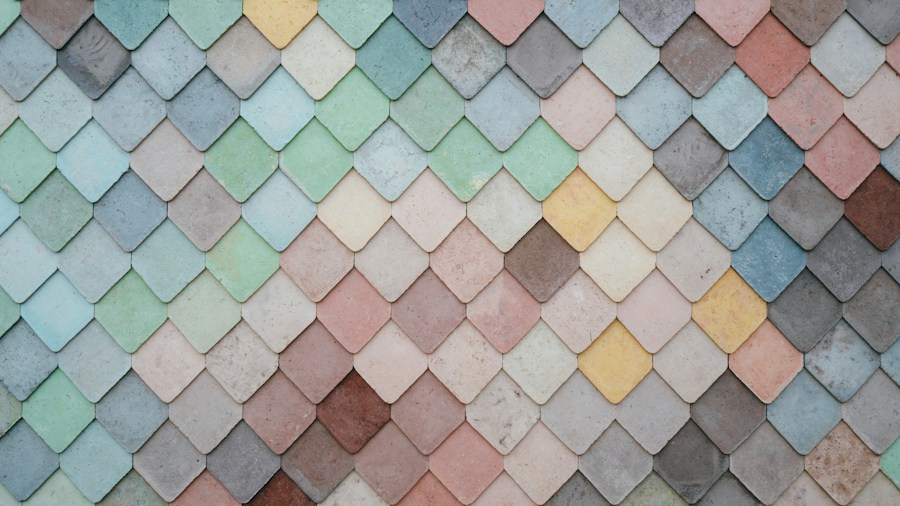
The flexibility extends beyond simply moving tiles around. Each tile can be made from ceramic or glass, giving you material options that affect how light plays across the surface. The grout lines between tiles also come in black or white, which dramatically changes how the design reads in your space. Dark lines make individual triangles stand out boldly against lighter tiles, while white grout softens the visual impact and creates a more cohesive appearance.
The geometric pattern means that no matter how you arrange the colors, the repeated triangular shapes maintain a consistent structure. You could group similar shades for a subtle, unified look or scatter contrasting pieces across the surface for something that draws the eye and becomes a focal point in your room. Modern coffee table design increasingly emphasizes personalization and adaptability, and this prototype takes that trend further than most.
This adaptability becomes especially valuable when your decor evolves. A new rug might make your current tabletop feel too busy, while a neutral sofa could accommodate a bolder mosaic composition. Rather than treating your original tile selection as a permanent decorating commitment, you can revise the pattern to suit your changing taste and surroundings.
Practical Features Beyond the Mosaic
Beneath the eye-catching surface, LUMVIA includes triangular drawers that follow the same geometric language as the tiles above. These hidden storage compartments provide a place for remote controls, coasters, and other small items that tend to collect around a sofa. The angular shape is an intentional design choice that reinforces the overall aesthetic, though it does mean the drawers won’t accommodate larger rectangular objects as efficiently as traditional rectangular storage.
The construction method reflects contemporary manufacturing. The drawers and internal grid use 3D printing technology, while the tiles themselves rely on more traditional materials like ceramic, glass, oak, or interlocking wood. This hybrid approach combines digital fabrication with familiar craft elements. An all-wood version offers another option, using interlocking wooden tiles to create patterns without introducing ceramic or glass to the surface.
What This Means for Your Next Coffee Table Purchase
At present, LUMVIA remains a prototype rather than a mass-produced item available at major retailers. However, it signals where furniture design is heading: toward flexibility, sustainability, and user agency. The coffee table market has evolved considerably, with consumers increasingly seeking pieces that offer both style and adaptability.
The design includes a configuration tool for selecting additional tiles, which addresses one practical concern: as your tastes change, you’ll accumulate unused tiles. Ordering spare pieces lets you test different combinations without replacing the entire set each time, though you’ll need storage space for the tiles not currently on display.
Durability and Everyday Use
A customizable surface needs to handle real life. LUMVIA addresses this by offering tiles with both recessed triangular details and plain surfaces, letting you choose based on your preference for texture as well as color. Some tiles are designed to resist spills better than others, and how the pieces sit together and stay in place during daily use will be crucial to the prototype’s success if it moves toward production.
Smart coffee table solutions continue gaining traction among homeowners seeking versatile living room furniture, and functional durability remains essential to any new design approach.
The LUMVIA prototype represents an interesting shift in how we think about furniture permanence and personal style. Rather than viewing your coffee table as a decades-long commitment, this design invites you to treat it as an evolving canvas that grows and changes alongside your home.









Write Your Review
No reviews yet. Be the first to share your experience!