

What Buyers Should Know About Nesting Coffee Tables
Interior design trends continue to shift toward smarter, more efficient furniture solutions, and nesting coffee tables are becoming a go-to choice for homeowners working with limited square footage. These dual-surface pieces, which nest together at varying heights, offer a practical answer to the challenge of maximizing living room functionality without sacrificing style. Understanding what makes these tables special and how they fit into modern homes can help you make a better purchasing decision.
How Nesting Coffee Tables Solve the Small Space Problem
A nesting coffee table consists of two tables designed to slide underneath one another, allowing you to keep both pieces while using only the floor space of a single larger table. This design philosophy addresses a real pain point for apartment dwellers and anyone living in compact homes. Instead of choosing between having adequate surface area and maintaining open floor space, nesting tables deliver both benefits simultaneously.
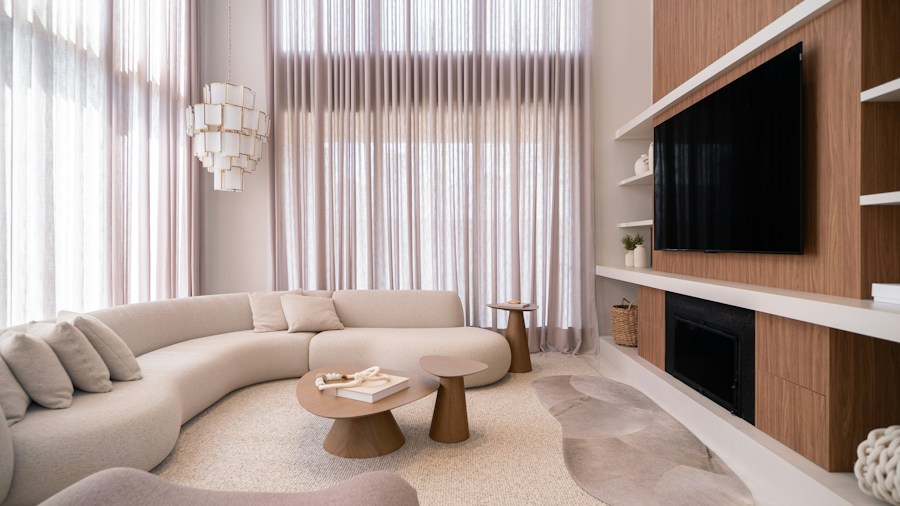
The concept works by pairing tables of different sizes, with the smaller one tucking neatly under the larger one when not in use. Some designs take a more sculptural approach, with tables that overlap at angles to create an abstract, layered appearance. Others follow a more traditional format, similar to Russian nesting dolls, where one table practically disappears when nested. As living room layouts continue to evolve away from television-centric designs, the flexibility provided by nesting tables becomes increasingly valuable for creating functional conversation spaces.
Style Options Range From Minimalist to Modern
Today’s nesting coffee table market includes options for virtually any design preference. Classic interpretations feature clean lines and timeless materials like wood or metal, appealing to those who prefer understated elegance. These pieces work well in traditional and transitional interiors, providing function without drawing excessive attention.
Modern variations introduce curved edges, organic shapes, and softer silhouettes that add visual depth to contemporary living rooms. These designs prioritize aesthetic interest alongside practicality, making them statement pieces rather than purely utilitarian furniture. The diversity in materials, finishes, and shapes means you’re not limited to cookie-cutter solutions when shopping for nesting tables.
Storage and Seating Innovations Expand Functionality
Beyond the basic concept, manufacturers have begun experimenting with hybrid designs that blur the line between coffee tables and other furniture types. Some nesting table sets now incorporate ottomans or additional seating surfaces positioned at each corner, effectively transforming your coffee table arrangement into a flexible seating solution. This innovation is particularly valuable in smaller homes where dedicated seating pieces may not fit comfortably.
Hidden storage features have also become more common in nesting table designs, allowing you to tuck away living room items while maintaining a clean aesthetic. Sliding trays, concealed compartments, and thoughtfully designed undersides transform these tables from simple surfaces into multi-functional storage solutions.
Making Your Choice: What Matters Most
When evaluating nesting coffee tables, consider your room’s dimensions first. Measure both your available floor space and the height of your seating to ensure proper proportions. The largest table in the set should feel appropriately scaled to your sofa and seating arrangement without overwhelming the room.
Material selection deserves careful attention as well. Wood offers warmth and versatility, while metal provides a contemporary edge. Glass tops create visual lightness but require more frequent cleaning. Combination materials, like wood with metal legs or stone with wood bases, offer hybrid aesthetics that can bridge different design styles in your home.
As consumers increasingly seek sustainable and creative furniture options, consider whether a nesting table design aligns with your broader home improvement goals. Some manufacturers now emphasize eco-friendly materials and manufacturing processes, which may factor into your decision.
The Practical Reality of Nesting Tables
While nesting tables offer clear advantages for small spaces, it’s important to have realistic expectations. They work best when you actually have a use for two surface levels, whether that’s providing extra space for entertaining or creating visual interest. If you simply need one coffee table that stays in one position, a nesting set may be unnecessary.
However, for renters, those planning layout changes, or anyone who values flexibility and design sophistication, nesting coffee tables represent a worthwhile investment. They’ve moved beyond being a quirky design trend and have become a legitimate solution for modern living challenges, making them worth serious consideration during your next furniture shopping trip.












Write Your Review
No reviews yet. Be the first to share your experience!