

The Rise of Terracotta Pot Wall Art
A creative DIY trend is gaining momentum among home decor enthusiasts: transforming forgotten terracotta pots into stunning bohemian wall art. Instead of tossing old clay pots from your gardening days, savvy decorators are now wrapping them in natural rope and filling them with artificial plants to create eye-catching hanging planters. This upcycling movement aligns perfectly with the broader resurgence in handmade home decor, where shoppers increasingly prefer personalized touches over mass-produced alternatives.
The concept is straightforward yet visually striking: small to medium terracotta pots get connected with jute rope and mounted vertically on walls, creating the illusion of a cascading garden. Content creators across social media have been showcasing this technique, demonstrating how accessible and affordable it can be for anyone wanting to refresh their living spaces without breaking the budget.
What Shoppers Need to Know Before Starting
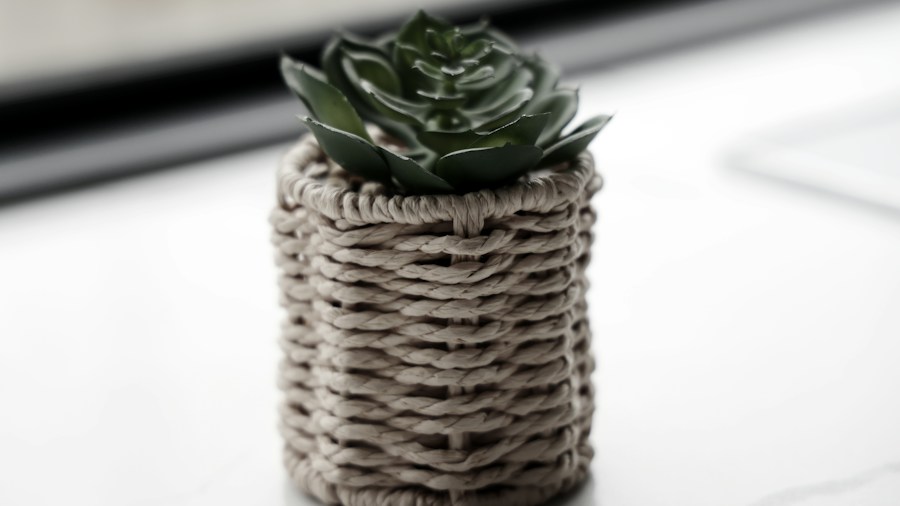
If you are considering this project, understanding the material requirements will help you succeed. You will ideally want two or more terracotta pots of the same size, preferably shallow and wide-mouthed designs such as 3.5-inch shallow models. Avoid using extremely large or tall pots, as they become unwieldy and difficult to mount securely on walls.
Beyond the pots themselves, you will need quality natural rope, such as jute, to connect the vessels and create the hanging mechanism. Floral foam blocks are essential for anchoring your artificial plants inside each pot. The overall material cost remains quite low, making this an economical upgrade to any room.
Plant selection matters significantly for achieving the boho aesthetic. Many DIY creators make the mistake of purchasing cheap artificial flowers, which can cheapen the overall appearance. Instead, invest in higher-quality faux plants with muted, dusty tones such as romantic roses or Western-inspired succulents and cacti. The quality difference between budget and premium artificial botanicals is noticeable and directly impacts how polished your finished planter looks.
How to Build Your Hanging Planter
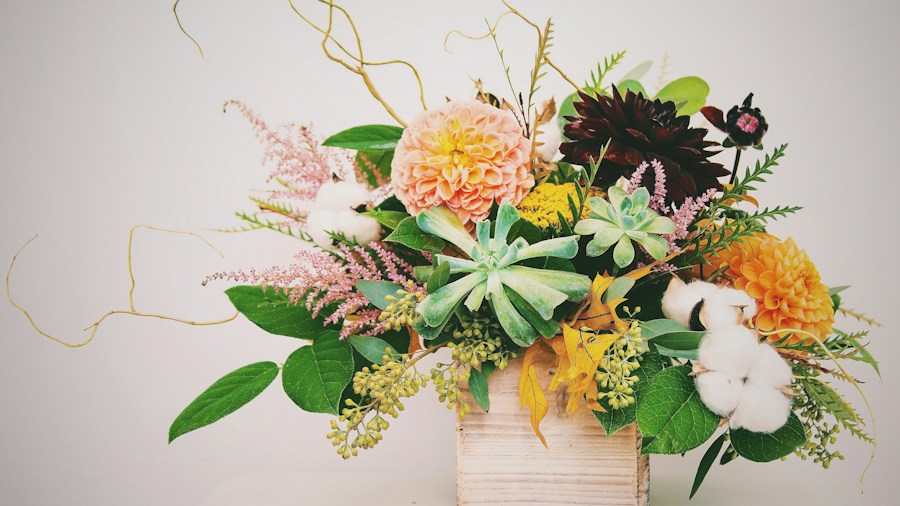
The construction process involves several straightforward steps. Begin by measuring out a generous length of jute rope. Wrap it securely around the lip of your first pot and tie a knot, then twist the two rope strands together for approximately 5 inches to create space between pots. Tie another knot to secure this twisted section, then wrap the rope around the second pot’s lip and tie a final knot. For added rustic charm, fray the bottom end of the rope.
To create a hanging loop, tuck one end of a shorter rope segment under the rope wrapped around your top pot’s rim on the side opposite the frayed end. Twist this segment into a loop and secure it with twine, giving you a sturdy anchor point for wall mounting.
The final step involves filling your pots with greenery. Cut floral foam pieces to fit snugly inside each pot, then insert your artificial flower and foliage stems directly into the foam. Aim for a full, abundant appearance that suggests a garden spilling generously from your wall. For those wanting to skip artificial plants entirely, an alternative approach involves threading colorful beads onto bendable wire to create custom trailing succulents that match your specific aesthetic.
Customization and Design Flexibility
One advantage of this DIY project is the endless customization possibilities. While the basic jute rope technique works beautifully, you can swap in macrame or sisal for different textures and vibes. Some decorators paint their terracotta pots with jewel-toned nature-inspired designs before assembly, adding another personalized layer to the finished piece.
The number of pots you use is entirely flexible. While the original viral version features two pots, you can easily extend your rope and add a third or fourth pot to create a more dramatic wall installation. This scalability makes the project adaptable to different wall spaces and desired impact levels.
This trend also connects to the broader wall art movement reshaping modern homes. Like the thrifted teacup wall art trend and the way tapestry wall art makes major comebacks in modern homes, this terracotta planter approach represents a shift toward meaningful, eco-conscious home decoration. Similarly, as kitchen wall art becomes the design trend of 2027, vertical plant displays are gaining prominence throughout all living spaces.
For shoppers looking to upgrade their walls affordably and sustainably, this DIY boho planter offers a compelling solution. It repurposes materials many people already have, requires minimal investment in additional supplies, and delivers maximum visual impact. Whether you are drawn to the bohemian aesthetic, the environmental benefits of upcycling, or simply the appeal of handmade decor, this project delivers on all fronts.









Write Your Review
No reviews yet. Be the first to share your experience!