

Furniture waste has reached crisis levels in American households. According to recent data, over 80% of discarded furniture ends up in landfills, while less than half of one percent gets recycled. This staggering disparity reveals a fundamental problem: most people view used furniture as disposable rather than as raw material for creative projects. However, a growing trend among home improvers is changing that mindset by repurposing old bed frames into functional backyard installations.
One popular upcycling project gaining traction on social media involves transforming an old bed frame into a privacy screen for outdoor spaces. This simple conversion requires nothing more than basic tools, some wood stain, and a willingness to see potential in discarded items. For shoppers looking to reduce waste while adding privacy to their yards, understanding this furniture hack offers both environmental and financial benefits.
The Bed Frame Privacy Screen Trend
The concept is straightforward: take a used bed frame (whether it’s a twin, double, queen, or king) and strip away its original fabric covering to expose the wooden or metal frame underneath. Once stripped, the frame gets a fresh coat of stain or paint, then gets reinforced with additional support and decorative elements. The result is a sturdy, attractive privacy wall that costs far less than purchasing new outdoor furniture.
What makes this project particularly appealing is its accessibility. Most people can acquire a used bed frame for free or at minimal cost from local resale shops, online marketplaces, or community giveaway networks. Like other furniture transformation trends seen in 2025, this approach appeals to budget-conscious consumers who want quality outdoor solutions without premium price tags.
Materials and Tools You’ll Need
Before starting this project, gather the essential materials and tools. You’ll need the bed frame itself, a wooden board as wide as the frame’s depth, a trellis for structural support, wood stain or paint, and standard construction tools including pliers, scissors, a flathead screwdriver, a drill, zip ties, and screws. Safety gear like gloves and glasses is important when working with older furniture that may have splinters or industrial staples.
The actual cost for completing this project can be remarkably low. In documented examples, homeowners have completed entire privacy screens for under thirty dollars by sourcing a free bed frame and purchasing only the trellis and zip ties needed for assembly. This makes the project accessible to shoppers of various budgets.
Step-by-Step Construction Process
The first phase involves removing all fabric and padding from the bed frame. Most older bed frames have a loose, gauzy covering on the underside that can be cut away with scissors. Once you’ve created an opening, pull as much material as possible from the frame. Industrial staples often hold pieces in place, so a flathead screwdriver becomes essential for prying them loose without damaging the wood beneath.
After achieving a clean frame, apply wood stain or your chosen finish. This step is flexible. Some DIYers prefer natural wood aesthetics, while others opt for painted finishes that coordinate with existing outdoor decor. Choosing weather-appropriate treatments matters for outdoor furniture durability, so select finishes rated for outdoor use if your privacy screen will face direct weather exposure.
The construction phase requires attaching support components. Since bed frames typically cannot stand independently, most projects incorporate a trellis attached with zip ties, or mount the frame directly to existing structures like walls or sheds using screws. Some builders add wooden feet for freestanding installations, ensuring they’re tall enough to support the frame’s weight and height.
Finishing and Styling Your Privacy Screen
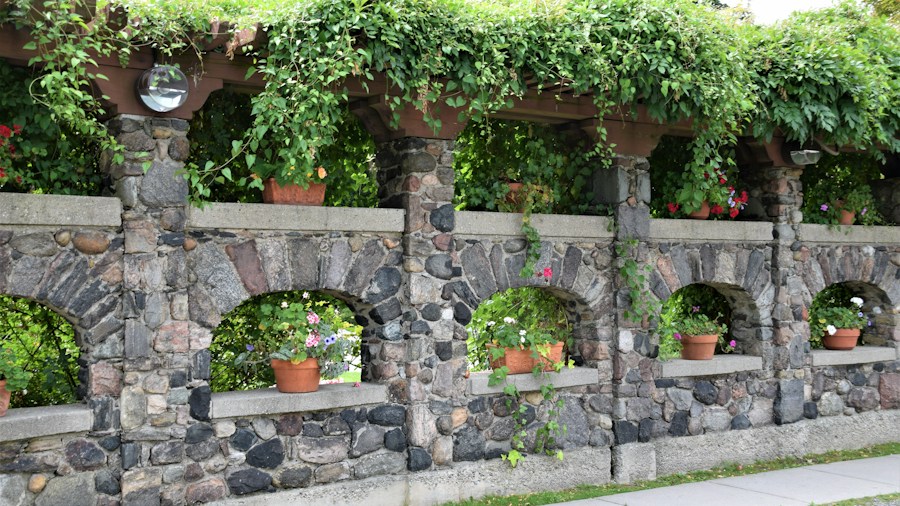
Once the structure is secure, decoration transforms your project from functional to beautiful. Original examples incorporated outdoor plants, books, tea lights, and blankets to create inviting vignettes. Others have added storage solutions that combine privacy with functionality, storing gardening tools or outdoor essentials within easy reach.
This flexibility makes the project adaptable to different outdoor spaces and personal styles. Whether your yard follows modern, rustic, or shabby chic aesthetics, a repurposed bed frame privacy screen can be customized to match.
What This Means for Furniture Shoppers
This trend highlights an important shift in consumer consciousness. Rather than automatically discarding old furniture, savvy shoppers increasingly recognize that used pieces contain real value. The bed frame privacy screen project demonstrates that with minimal investment and basic skills, discarded furniture becomes functional art.
For consumers concerned about waste reduction or seeking budget-friendly outdoor improvements, learning these upcycling techniques offers practical alternatives to purchasing new items. The project also encourages exploration of local resale networks and community resources for acquiring free or affordable used furniture, strengthening connections between neighbors while reducing landfill contributions.












Write Your Review
No reviews yet. Be the first to share your experience!