

September brought a flurry of design activity to major US cities, and furniture enthusiasts have plenty to learn from what debuted at showcases and exhibitions this month. From boldly patterned ottomans to artisan-crafted ceramics paired with home goods, the latest furniture trends reveal how designers are pushing beyond tradition and encouraging homeowners to embrace personal style over mass-market uniformity.
Bold Patterns and Sculptural Forms Take Center Stage
One of the most exciting furniture launches came from a Manhattan-based creative team that collaborated on an original ottoman collection featuring five distinct designs. Each piece combines architectural sculptural forms with vibrant textiles inspired by 1970s design sensibilities. The collection showcases four exclusive fabrics, including two jacquards and two richly textured printed velvets, all featuring unapologetically bold geometric and floral patterns that harken back to the era’s maximalist aesthetic.
What makes these designs particularly relevant for today’s shoppers is how the team applied decorative embellishments like fringe trim with genuine precision and craftsmanship. Rather than appearing frivolous or overdone, the ornamental details function as architectural elements that enhance the overall form. This approach teaches consumers that excess, when executed thoughtfully, can elevate a room rather than clutter it. For buyers seeking statement furniture that breaks from neutral minimalism, these pieces represent a meaningful shift in what’s available at retail.
Handcrafted Heritage Meets Modern Scale
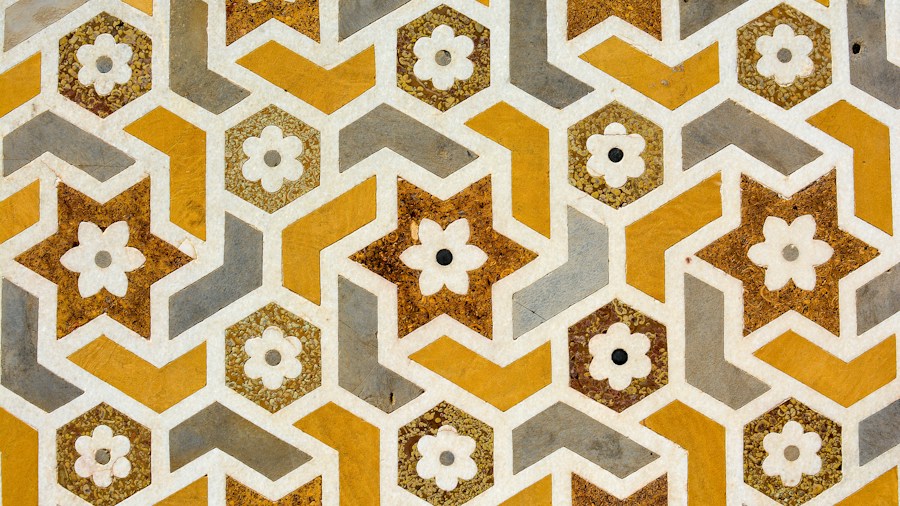
Behind the scenes at a renowned pottery workshop in North Carolina, artisans continue expanding production of hand-thrown tableware and home furnishings. The operation has evolved significantly, now featuring multiple studio spaces, a factory complex, and teams specializing in advanced ceramics techniques including slip-casting, glazing chemistry, and custom clay production. What began as a boutique brand has grown into a substantial force within the home goods industry while maintaining its commitment to American craftsmanship traditions.
For shoppers, this expansion means greater availability of heirloom-quality pottery and tableware without sacrificing the authenticity of handmade production methods. As more consumers seek sustainable, locally-made alternatives to mass-produced home furnishings, understanding where pieces originate becomes increasingly important. Acrylic folding chairs and other modern furniture innovations continue evolving alongside traditional crafts, giving buyers diverse options across price points and design philosophies.
Curated, Personal Spaces Define Contemporary Interior Design
A standout room design at a major September showhouse demonstrated how layered, collected interiors outperform sterile, decorated spaces. The winning design incorporated personal ephemera like vintage postcards, magazine clippings, antique books, and carefully arranged desk accessories that told a coherent story about a fictional inhabitant. Rather than relying solely on furniture pieces, the designer used smaller objects and textural details to create depth and character.
This approach has direct implications for how shoppers should evaluate their own furniture purchases. The best contemporary interiors blend statement pieces with carefully chosen accessories, art, and collected objects. When selecting new furniture for your home, consider how each piece will interact with existing décor and personal collections rather than viewing furniture in isolation.
Vintage and Antique Pieces Gain Relevance
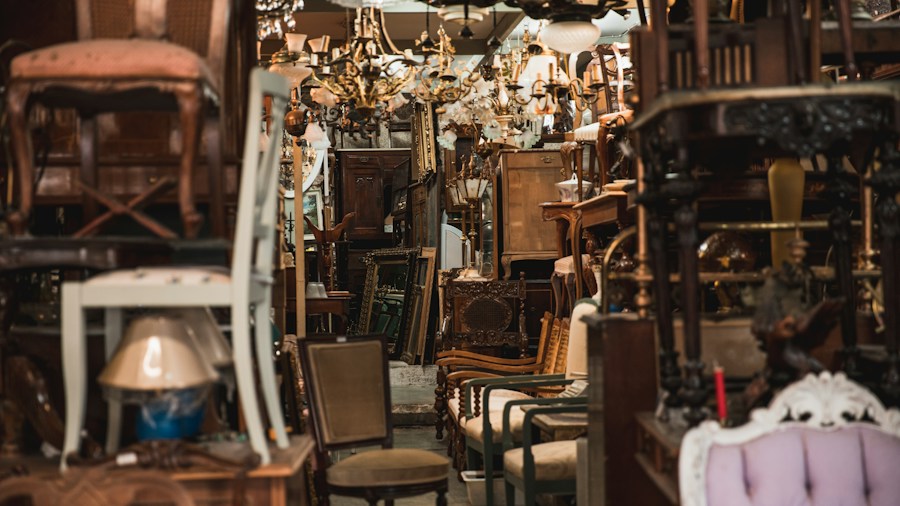
Alongside new furniture launches, September highlighted the enduring appeal of antique and vintage furnishings. Specialty dealers continue sourcing distinctive pieces from global markets, creating eclectic showrooms that celebrate the beauty of mixed periods, styles, and price points. These curated spaces demonstrate that creating visually interesting environments doesn’t require everything to be new or cohesively styled.
Shoppers benefit from this trend by recognizing that vintage furniture, antiques, and contemporary pieces coexist beautifully when chosen with intention. Rather than pursuing a singular aesthetic, successful interiors layer different eras and design movements. Understanding furniture care and maintenance becomes essential when mixing vintage and new pieces, ensuring all investments remain protected and functional.
What This Means for Your Next Furniture Purchase
The September design season underscores that today’s furniture market rewards bold choices, handcrafted quality, and personal curation. Shoppers should feel empowered to select pieces that reflect individual taste rather than conforming to safe, neutral trends. Whether investing in sculptural ottomans, artisan pottery-based home accessories, or carefully sourced vintage furniture, the most successful purchases tell a story about who you are and what you value in your living spaces.









Write Your Review
No reviews yet. Be the first to share your experience!