

Foldable tech has moved beyond phones and laptops. In a recent hands-on experiment, a tech reviewer spent two weeks using an entirely foldable workspace setup to see if collapsible office equipment could actually improve productivity and work-life balance. The results reveal important lessons for shoppers considering this emerging product category.
The Rise of Foldable Office Equipment
Over the past several months, the market has seen a noticeable uptick in compact, collapsible office gadgets. These include foldable mice, keyboards, webcams, and even under-desk treadmills designed to save space and reduce clutter. The appeal is obvious: as more people work from home, they’re looking for ways to maintain flexibility between their personal and professional spaces. This trend matters to anyone shopping for office equipment, especially those in smaller homes or apartments where desk real estate is limited.
Testing a Full Foldable Setup
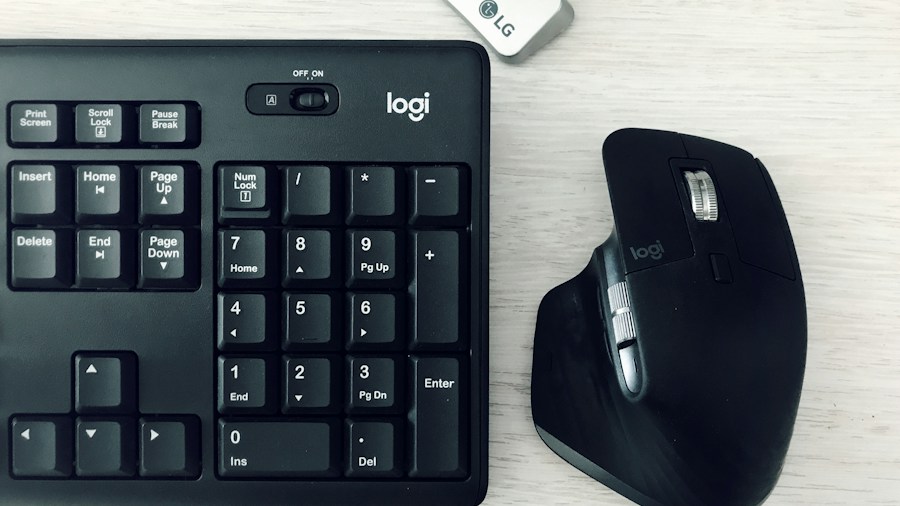
The experiment involved setting up a complete workspace using four main items: a portable foldable mouse, an ultra-slim split keyboard, a compact folding webcam, and a motorized walking pad. Over 14 days, the user relied solely on these products and documented what worked, what felt awkward, and how the overall experience affected their daily routine.
The first few days revealed an important truth: adding a folding routine takes deliberate effort. It takes an average of 66 days to establish a new habit, so in just two weeks, the ritual of folding and unfolding equipment felt somewhat forced. However, by day seven, the process became automatic. Snapping the mouse together, flipping the keyboard, and clipping the webcam took seconds and required no conscious thought.
What Worked Well
The foldable mouse received high marks for comfort and practicality. Its collapsed shape creates a slight lift in the middle, providing unexpected ergonomic support for the hand during extended use. This makes it particularly valuable for commuters who need portable office equipment without sacrificing comfort.
The split-layout keyboard initially felt strange, but once the user adapted to the design, typing actually became more efficient and comfortable. The ability to fold it completely flat and tuck it away represented a major space-saving advantage for anyone managing a compact desk.
The tiny folding webcam impressed with its flexibility and minimal footprint. At under two inches when folded, it can be stored practically anywhere or taken during commutes. The privacy lens feature that emerges when closed adds real functionality beyond simple storage.
Perhaps most surprisingly, the motorized walking pad emerged as the biggest game-changer. This under-desk device allowed the user to stay active and alert during work hours while remaining unobtrusive thanks to its quiet brushless motor. When folded, it disappeared completely from view, creating actual mental separation between work and rest.
The Work-Life Boundary Breakthrough
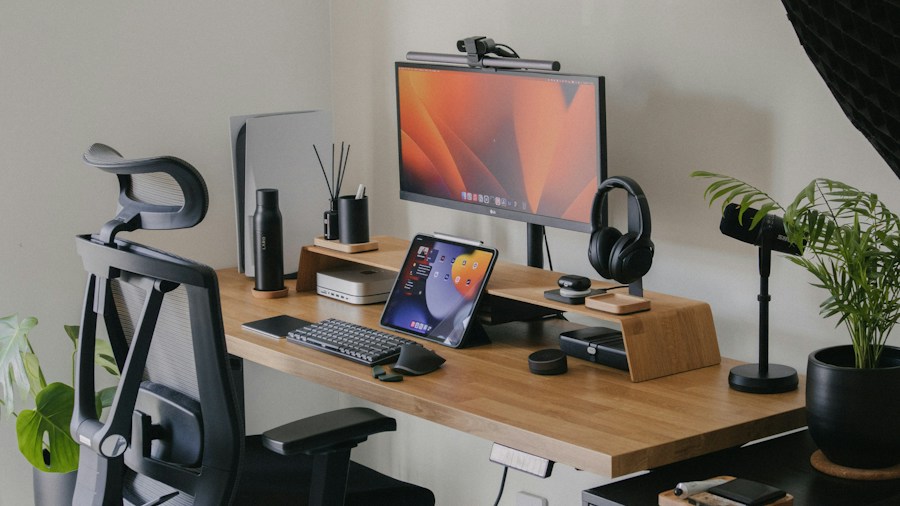
The most significant finding wasn’t about productivity metrics or typing speed. Instead, it centered on psychological boundaries. When working from home, many people struggle with the constant visual reminder of their workspace. Even during days off, seeing the laptop, mouse, and keyboard on the desk can trigger work-related thoughts and stress.
By making everything small enough to fold and store away, the user created a tangible ritual that marked the end of the workday. This simple act of putting equipment into storage provided a clear mental distinction between office mode and home mode. The desk transformed from an always-on workspace to a regular table, fundamentally changing how the user perceived the room.
For remote workers looking to improve their work-life balance, this benefit alone could justify investing in foldable equipment. Products like Nevi Desk Lamp additions to your workspace can further support this goal by creating distinct visual separation. Similarly, adding robotic desk lighting solutions helps define work zones more clearly.
What This Means for Your Shopping Decisions
If you’re considering purchasing foldable office equipment, this experiment suggests focusing on comfort and durability rather than just portability. A mouse or keyboard that folds perfectly but feels awkward to use will end up unused. Instead, prioritize items that maintain ergonomic quality even in compact form.
The setup also works best when combined with dedicated storage solutions. Having a designated spot to place folded equipment makes the routine stick better. Consider complementing your workspace organization with compact solutions designed to create order.
The biggest takeaway for buyers: foldable workspace equipment isn’t just a novelty trend. It addresses real needs for remote workers managing space constraints and seeking better mental separation between their professional and personal environments. If you’ve been curious about this category, the evidence suggests it’s worth exploring.









Write Your Review
No reviews yet. Be the first to share your experience!