

Tay and Taylor Lautner recently shared their vision for a modern nursery designed in partnership with Pottery Barn Kids, and the project reveals important insights into what today’s parents are prioritizing when outfitting their children’s rooms. The collaboration showcases a thoughtful approach to nursery design that balances aesthetic appeal with functionality, offering shoppers a roadmap for creating spaces that work for both infants and growing children.
A Blend of Style and Practicality
The Lautner nursery demonstrates a design philosophy that emphasizes timeless pieces over trendy-only furniture. Tay worked with the Pottery Barn Kids design team to create a space she describes as ‘girly,’ ‘colorful,’ and ‘peaceful,’ combining delicate details like ruffles, floral patterns, and butterfly accents with durable, convertible furnishings. The glider chair and crib both exemplify this approach, selected not only for their visual appeal but also for their longevity in a family’s home.
What makes this partnership particularly relevant for shoppers is the emphasis on furniture that adapts as children grow. The convertible crib transitions into a toddler bed, and the glider can be relocated to other rooms once nighttime feedings and bedtime stories end. This strategy helps parents justify higher quality purchases by recognizing their long-term value and versatility.
Smart Storage Solutions Set the Standard
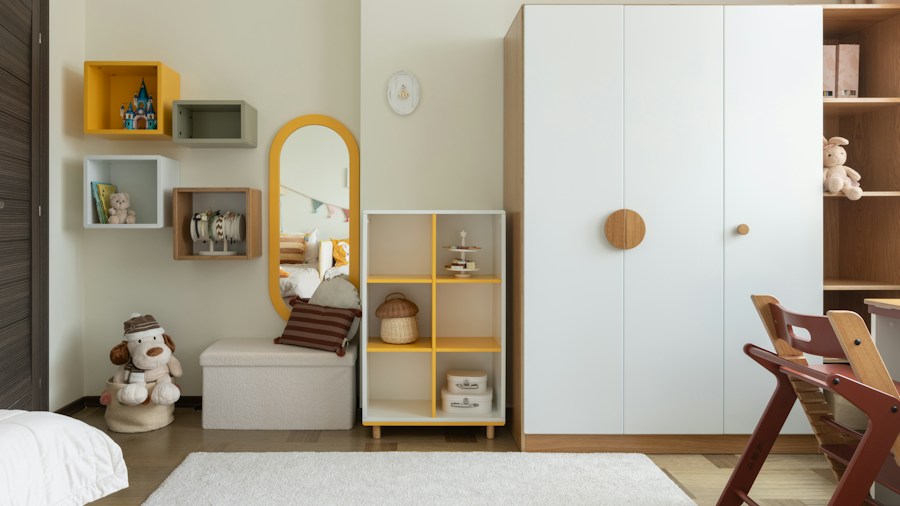
One standout feature of the nursery is its thoughtful approach to storage. Rattan scalloped bins, drawer sets, and wall-mounted rattan sconces provide both functionality and visual interest. These storage elements address a real challenge for new parents: managing the overwhelming volume of supplies, from diapers to blankets to future toys.
The inclusion of accessible storage systems suggests that today’s design-conscious parents want solutions that don’t compromise on style. Rather than hiding everything away, the Lautner nursery integrates storage as part of the overall design aesthetic. This trend reflects a broader shift in home organization, where practical storage alternatives are increasingly expected to serve as design elements too.
Color and Pattern Strategy for Calm Spaces
The nursery’s color palette demonstrates restraint paired with personality. White walls form a serene backdrop, while pops of color come through carefully chosen accents like floral crib sheets and soft blankets. This approach helps create the ‘peaceful’ atmosphere Tay emphasized, preventing the room from feeling overstimulated while still offering visual interest for a developing infant’s mind.
For shoppers considering their own nursery designs, this strategy offers valuable guidance. Instead of committing to bold wall colors or patterns that may feel overwhelming in a small space, layering in color through textiles and accessories provides flexibility and allows for easier updates as the child grows.
Planning for Growth Beyond the Nursery Years
A key insight from the Lautner project is the intentional planning for how the space evolves. The nursery includes child-sized furniture designed for independent play and exploration, signaling that the room is being set up not just for infancy but for the toddler and preschool years ahead.
This multi-year perspective affects purchasing decisions significantly. Parents investing in nursery furniture today understand that quality pieces with timeless design will serve their children longer and potentially be passed down or repurposed. The Pottery Barn Kids selection reflects this expectation, with items chosen for durability and adaptability rather than novelty.
Integration with Home Design
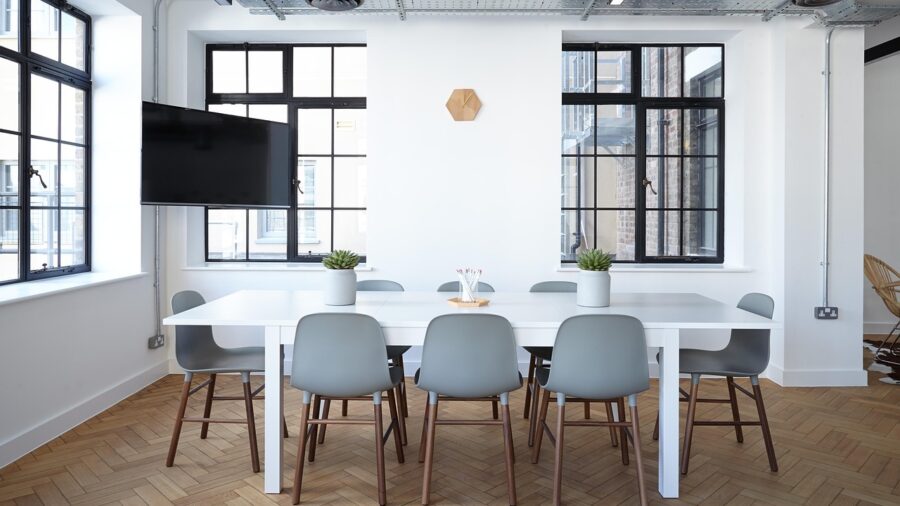
The Lautner nursery also highlights an important principle for modern family homes: a child’s room should complement rather than clash with the overall home design. By selecting pieces that coordinate with the family’s existing aesthetic, the nursery feels like a natural extension of the home rather than a separate, themed space.
This approach suggests that shoppers should consider how nursery items will look alongside their other furnishings, rather than treating the room as an isolated project. Coordinating finishes, color families, and design styles creates a more cohesive living environment and allows for easier furniture transitions when children’s needs change.
What This Means for Your Nursery Shopping
The partnership between Tay Lautner and Pottery Barn Kids demonstrates that contemporary nursery design prioritizes investment pieces that balance beauty with practicality. All items from the nursery are available for purchase, making it possible for shoppers to recreate elements of the design or draw inspiration for their own projects.
Whether you’re planning a complete nursery overhaul or adding finishing touches, this project illustrates the value of thoughtful selection. Focus on convertible furniture, integrate storage that doubles as decor, use a calming color foundation with textured accents, and choose items that coordinate with your home’s existing style. These principles, demonstrated through the Lautner collaboration, can guide any parent toward creating a nursery that feels both beautiful and livable.









Write Your Review
No reviews yet. Be the first to share your experience!