

A Copenhagen-based furniture designer has just introduced a lounge chair that challenges everything shoppers think they know about cork. The Strata chair uses cork not as a decorative veneer, but as the primary structural material, marking a significant shift in how designers approach both functionality and sustainability in seating.
How the Chair Actually Works
The Strata lounge chair is built on a layered composite system that alternates thin cork sheets with natural fibre textiles, then laminates them together to form load-bearing shells. This construction method is entirely different from conventional furniture design. Rather than cork being a surface treatment applied to a wooden or metal frame, here cork becomes the architecture itself.
The textile reinforcement serves a critical structural purpose. Cork alone lacks the directional stiffness required for a functional seating piece, so the natural fibres bonded to it provide the necessary structural performance. A minimal metal frame handles only the points under the heaviest concentrated load, such as where your legs press down. The cork shells carry the remaining weight. This elegant distribution of forces means the chair can support a full-size adult while remaining surprisingly lightweight.
The Design Process Behind the Innovation
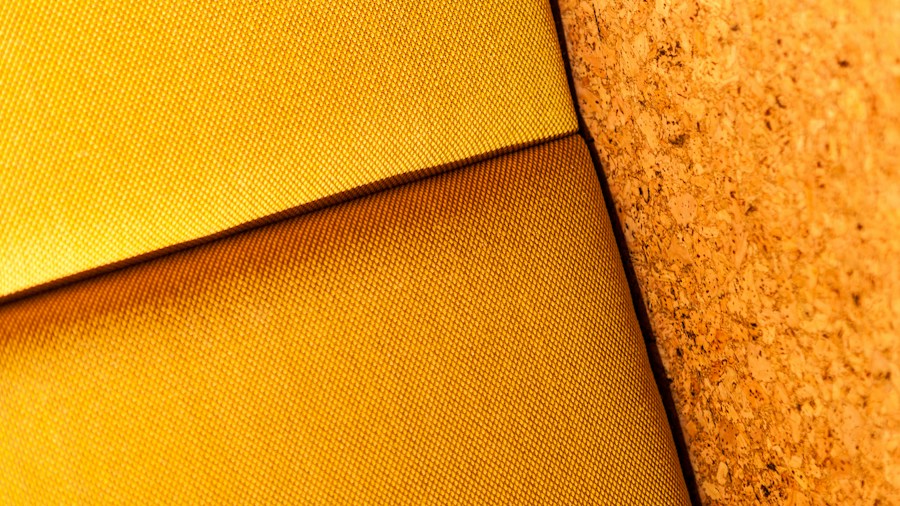
This lounge chair did not emerge from sketches alone. The designer spent months testing, adjusting, failing, and recalibrating the concept. A cork stool served as a full-scale testbed, validating the structural logic before the design was committed to a larger form. This material-first methodology represents a fundamental departure from how most furniture companies approach product development.
The final form of the chair reads like something slung from material intelligence rather than convention. The visual language draws from the natural world: the silhouette is organic, the texture is warm, and the proportions are quietly confident. Cork possesses inherent thermal qualities and a softness that synthetic materials spend millions trying to replicate. In this chair, cork is simply performing its intended job without pretense.
What This Means for Shoppers
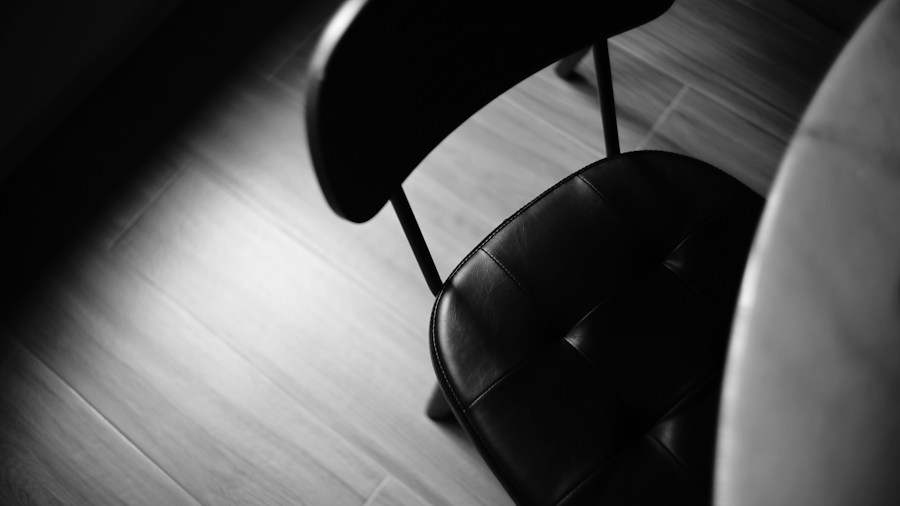
For consumers seeking alternatives in the furniture market, the Strata chair represents a meaningful direction. The lineage of slung chairs dates back to the early and mid-twentieth century, when leather stretched over steel tubing defined a generation of modernist seating. This new design proposes laminated cork as an honest alternative to leather, a material that gives, breathes, and ages with use rather than against it.
The chair sits within a larger conversation about material-led design philosophy. Rather than treating sustainability as a marketing angle, this approach treats it as a methodology. Many consumers are increasingly interested in how furniture is made and what materials it contains. Color trends like fern green are reshaping furniture choices, but material innovation offers an equally compelling reason to reconsider your seating selections.
Why Material Matters Now
Cork has spent decades on the periphery of furniture design, relegated to decorative purposes: a tile floor, a pin board, a wine stopper. The Strata chair could fundamentally change that perception by proving cork can be both structurally sound and visually appealing. For a natural, renewable material with decades of proven durability underfoot, this represents an awakening.
The design process itself offers lessons for the broader furniture industry. Too many pieces are conceived first and executed second, without genuine material exploration. When you investigate how furniture hardware innovations are changing assembly, you see similar themes: designers and engineers questioning assumptions about how things must be built.
For shoppers evaluating seating options, this development signals that high-performance furniture does not require complicated technology or synthetic materials. A lounge chair built from cork and natural fibres, reinforced through intelligent layering rather than industrial processes, offers warmth, durability, and a connection to natural materials that many buyers are actively seeking.
Cork’s thermal quality and tactile softness appeal to homeowners looking to create spaces that feel authentic and lived-in rather than mass-produced. The material ages visibly with use, developing character over time rather than deteriorating. For those considering upgrades to their seating collection, understanding these material properties helps distinguish truly thoughtful furniture from pieces designed primarily for appearance.







Write Your Review
No reviews yet. Be the first to share your experience!