

When you’re planning a new room or refreshing your home’s interior, lighting is often pushed to the back of your mind. You pick out the sofa, choose the curtains, and only then think about how to light the space. But here’s what interior design professionals know: lighting decisions need to happen at the same time as furniture planning, not after. Getting this order right can dramatically improve how your home looks and feels.
Lighting Must Follow Your Furniture Layout
Before any piece of furniture arrives or any walls are painted, designers work out exactly where each item will sit. This includes knowing which wall gets the bed, where the dining table will be positioned, and how people will actually move through the room. Once that plan is locked in, lighting placement becomes clear. A bedside sconce needs to know the exact height of your headboard and whether you read in bed. A chandelier must match the size of your dining table. A reading lamp should be positioned where you actually sit, not randomly placed in a corner. This foundational step eliminates the frustration of finishing a room only to discover that lights cast shadows exactly where you need visibility or leave dark corners everywhere.
Layer Your Lighting Sources
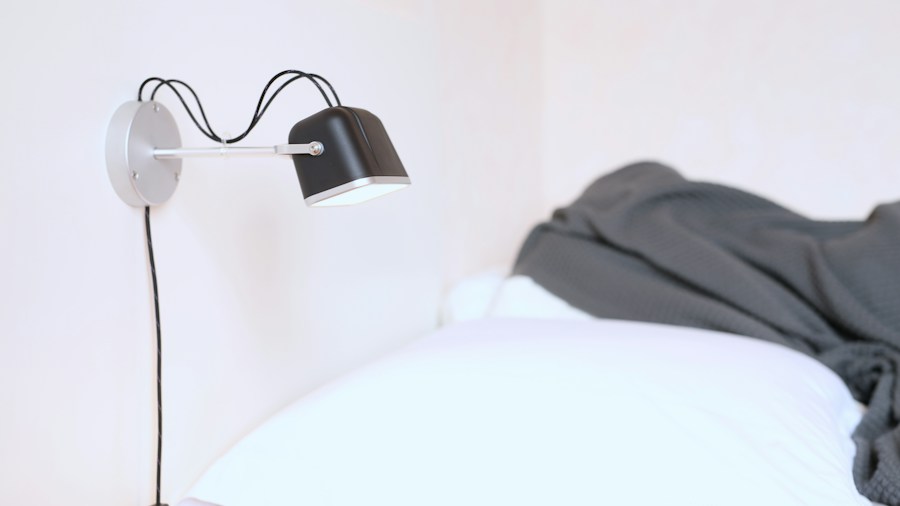
The most common lighting mistake homeowners make is relying on a single ceiling fixture to light an entire room. Wall sconces, table lamps, floor lamps, picture lights, pendants, and chandeliers all serve different purposes and should work together. Think of layering light the same way you layer your outfit: you need different heights, different sources, and varied intensity levels. The best rooms feature lighting that feels collected and intentional rather than perfectly matched. A pair of sconces doesn’t need to match your table lamps. A vintage floor lamp can sit beside a modern table lamp. This approach creates depth and personality. When everything matches perfectly, the room can start to feel sterile and showroom-like, which defeats the purpose of creating a warm home.
Functional Lighting Still Matters
While designers often complain about recessed pot lights, they serve an essential purpose. You need them for practical tasks: cleaning, finding items you’ve dropped, or getting through the darkest months of winter. The key is balance. Don’t fill your entire ceiling with pot lights and expect that solves your lighting challenge. You might just end up illuminating only the upper half of your room. Ceiling height makes a huge difference. In rooms with ceilings above 12 feet, recessed lights may not even reach the floor effectively. Plan your functional lighting early and combine it with decorative options for best results.
Scale and Drama Create Interest
Chandeliers and pendant lights give you permission to take design risks. When selecting fixtures, ignore the assumption that big rooms need enormous fixtures and small rooms need tiny ones. Instead, think of scale as an opportunity. Over a kitchen island, two substantial pendants create impact, but five smaller fixtures can be even more unexpected and interesting. In a dining room, one oversized chandelier might be exactly what makes the space feel special. As a bonus, fixtures always appear smaller once hung at ceiling height than they do sitting in a box on the ground, so don’t panic if your choice seems too bold initially. Put all your decorative lights on dimmers so you can adjust the mood from bright task lighting to soft ambiance.
Warm Light Makes Spaces Feel Inviting
Color temperature is non-negotiable: avoid cool, blue-toned daylight bulbs throughout your home. These harsh bulbs make even beautiful rooms feel clinical and cold, like a doctor’s office rather than a cozy home. Warm light makes wood appear richer, fabrics feel softer, and colors look more natural. The bulb itself matters just as much as the fixture. A gorgeous lamp paired with a cool-toned bulb will still produce harsh, unflattering light. When shopping for lighting, pay attention to the warmth of the bulb, not just the style of the fixture.
Flexible Lighting Solutions for Any Space
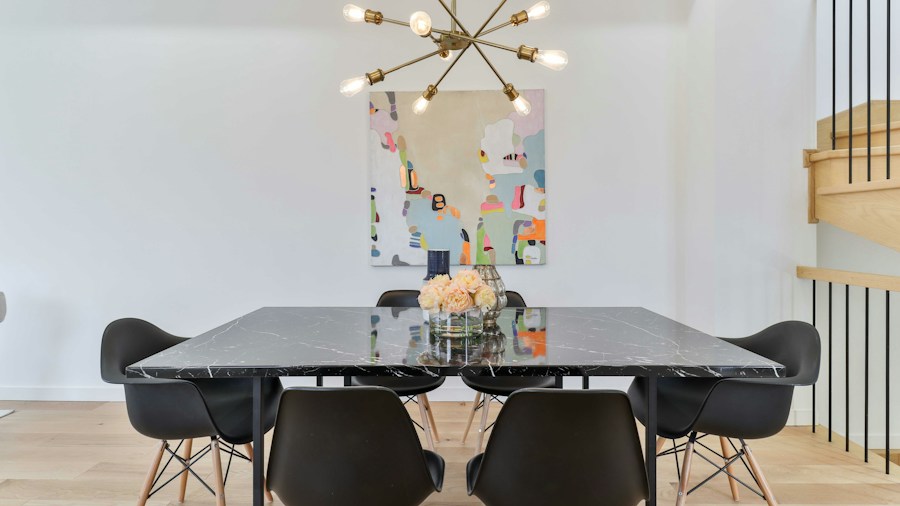
Modern cordless and battery-powered lighting options have transformed what’s possible in home design. If your perfect vignette sits 14 feet from the nearest outlet, cordless lamps let you add light without running extension cords across your beautiful room. Battery-powered sconces are especially versatile. Want decorative sconces beside a bed without opening walls? Battery-powered options work perfectly. Need to highlight artwork but lack an electrical box? Battery-powered sconces solve the problem. If you’re renting and can’t commit to electrical work, these solutions let you add professional-quality lighting without permanent changes. This flexibility is especially valuable for anyone who loves rearranging their space.
When selecting furniture, remember that your sofa investment deserves proper lighting to show it off at its best. Similarly, proper lighting can transform repurposed office furniture into something beautiful and functional.
The Bottom Line
Good lighting isn’t about brightness or quantity. It’s about creating multiple light levels that work together and respond to how you actually live in your space. Start by planning lighting at the same time as furniture placement. Add functional lighting for tasks, decorative lighting for focal points, and bring light down to eye level with lamps and sconces. Keep the color warm, use dimmers, and mix different fixture styles. The best-lit homes aren’t the brightest ones. They’re the ones where lighting adapts to your needs: bright enough to find what you’re looking for, soft enough to create ambiance when you want it.










Write Your Review
No reviews yet. Be the first to share your experience!