

As fall planting season approaches, home gardeners and bird enthusiasts are discovering beautyberry, a deciduous shrub that transforms autumn gardens into vibrant feeding stations for migratory and native birds. If you’re planning your garden strategy for the coming months, here’s what you need to know about this rising star among landscape plants.
Why Beautyberry Matters for Your Garden Right Now
Beautyberry, scientifically known as callicarpa americana, has emerged as a top choice for homeowners looking to support wildlife during the challenging fall and winter months. Unlike many ornamental shrubs that fade in autumn, beautyberry reaches its peak visual impact starting in September, when dense clusters of stunning violet berries emerge against contrasting green foliage that gradually turns golden. This natural timing aligns perfectly with when birds need reliable food sources as they prepare for migration or winter survival.
The shrub’s appeal extends beyond its striking appearance. The abundant berries attract an impressive variety of species, including mockingbirds, cardinals, robins, and goldcrests. Beyond birds, small mammals also depend on these plants as a critical nutrition source during lean seasons. For homeowners interested in creating a wildlife-focused landscape, beautyberry serves as an anchor plant that encourages ecosystem health on your property.
Choosing the Right Beautyberry for Your Climate Zone
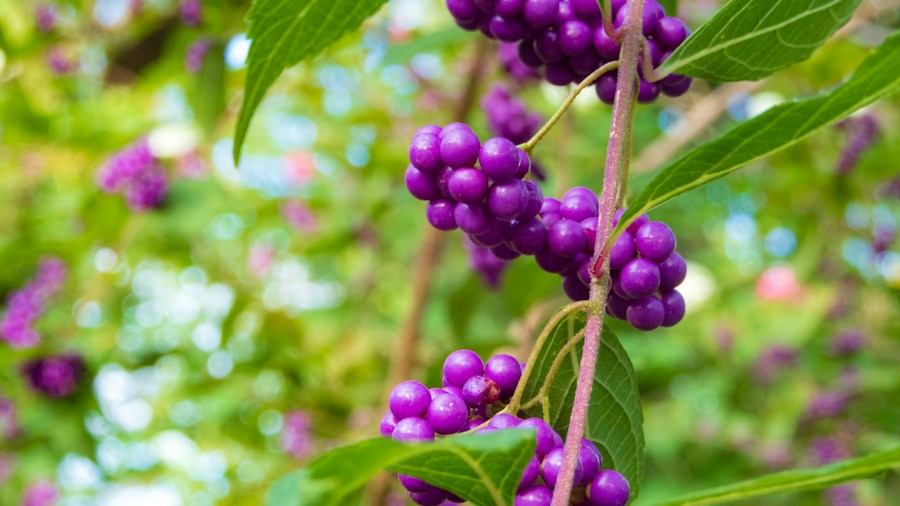
One crucial consideration for buyers: climate zone selection matters significantly when purchasing beautyberry. American beautyberry, the native Southeastern species, thrives in USDA Hardiness Zones 6 through 10, making it ideal for gardeners across the South and mid-Atlantic regions who can provide the long, warm growing season this variety requires. If you garden in colder northern areas, purple beautyberry, or callicarpa dichotoma, is your better option, as it tolerates conditions down to Zone 5.
Several cultivars have gained attention among gardeners seeking specific benefits. Early Amethyst ripens its berries a full month ahead of most varieties, giving local birds an extended feeding window. Plump and Plentiful Amethyst was specifically bred to produce heavier, more abundant berry clusters, maximizing both food availability and visual impact. Pearl Glam Beautyberry offers moody purple foliage for added garden interest, while Snow Star provides white berries for gardeners seeking a distinctive palette.
Planting and Growing Your Beautyberry Successfully
Beautyberry is remarkably adaptable to different growing conditions, which explains its growing popularity among both novice and experienced gardeners. The shrub thrives in full sun but tolerates partial or dappled shade, making placement flexible in most landscape designs. American beautyberry typically reaches 36 to 48 inches tall with a 48 to 72-inch spread, while the Asian purple beautyberry grows more compactly at 24 to 48 inches tall and 36 to 60 inches wide.
Soil requirements are forgiving. Beautyberry grows successfully in clay, loam, and sandy soils, provided they drain well. During the first growing season, regular watering helps establish a strong root system, though mature plants become largely drought-tolerant. Once established, this shrub demands minimal ongoing care compared to many ornamental shrubs, making it an excellent choice for low-maintenance landscapes.
When integrating beautyberry into your garden design, grouping three or five plants together maximizes pollination and produces the most dramatic fall display. Smart design practices suggest pairing beautyberry with other native shrubs and flowering plants that provide food and cover across multiple seasons. Native viburnums and serviceberries extend fruit availability for birds, while native perennials like black-eyed Susan, coneflowers, and milkweed support pollinators and provide seeds for birds throughout the year.
Pruning and Maintenance for Maximum Berry Production
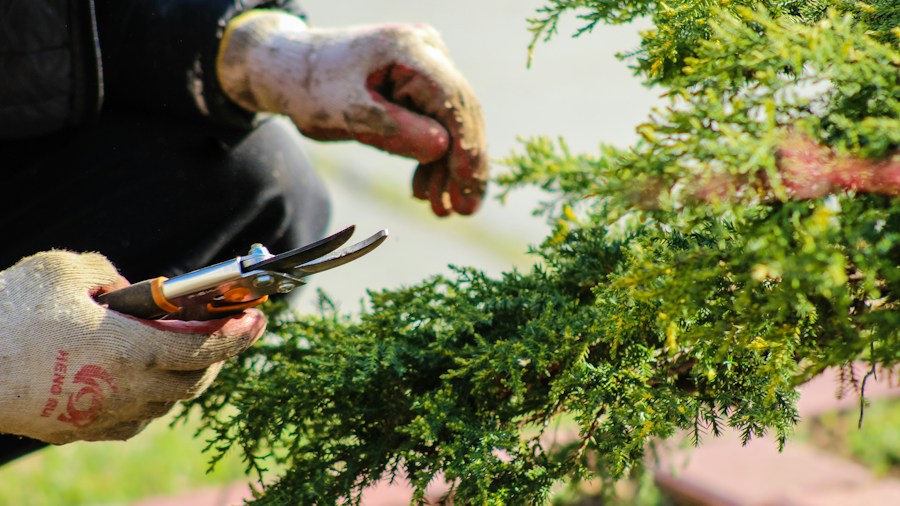
Understanding beautyberry’s growth pattern ensures optimal performance year after year. The plant flowers and fruits on new growth each season, which means strategic pruning actually improves berry production rather than reducing it. In late winter or very early spring, before new growth emerges, cut stems back hard to approximately 12 to 18 inches. This aggressive annual pruning keeps the shrub compact, encourages vigorous new canes, and directly enhances next fall’s fruit display.
While beautyberry can be grown in large containers with good drainage, ground planting produces the strongest plants and most abundant berries. For gardeners with space constraints, quality container systems can still provide meaningful wildlife support.
The Bottom Line for Shoppers
As beautyberry availability increases at garden centers and online retailers, this is an ideal time to add this wildlife-supporting shrub to your landscape. Whether you’re motivated by environmental stewardship, creating a beautiful garden focal point, or simply wanting to observe more birds on your property, beautyberry delivers on multiple fronts. With proper zone selection, straightforward care requirements, and proven bird-attracting power, this deciduous shrub represents smart spending for any gardener committed to a thriving outdoor space.












Write Your Review
No reviews yet. Be the first to share your experience!