

As summer fades and fall arrives, indoor plant care shifts dramatically. The season change brings shorter days, cooler indoor temperatures, and slower plant growth. This transition is crucial, yet many plant owners continue habits that worked during spring and summer, often causing serious damage to their houseplants.
The Biggest September Houseplant Mistake: Overfertilizing
The most common error homeowners make in September is fertilizing when plants naturally begin to slow down. While fertilizer seems beneficial year-round, it only works when plants actively grow. Applying it during dormancy or reduced growth phases can severely harm your indoor plants.
During active growth, fertilizer delivers essential nutrients that fuel leaf production and stem development. When plants stop producing new growth, they simply cannot use nutrients as quickly. This buildup creates a problem: excess salts accumulate in the soil, damaging root systems and causing visible signs of stress like brown leaf tips, yellowing foliage, and white crusty deposits on soil surfaces.
Chemical fertilizers pose an even greater risk. Root burn from concentrated formulas can trigger immediate plant decline and shock, especially when combined with the temperature and light shifts already stressing your houseplant collection.
Why Timing Matters for Indoor Plant Nutrition
Light availability drops significantly as days shorten. Plants adapted to bright spring and summer conditions struggle to adjust. If you fertilize during this adjustment period, you’re essentially asking your plant to produce new growth without adequate light to support it. More nutrients cannot compensate for insufficient light and may actually place additional stress on your plant.
Additionally, houseplants sensitive to environmental changes like philodendrons respond poorly to combined stressors. Overfertilizing on top of dropping temperatures and reduced light can cause drooping, leaf drop, and general decline. Your plant needs time to adjust naturally without the added shock of excess nutrients.
Know Your Plant’s Specific Needs
Not all houseplants follow identical schedules. Certain species continue growing through fall if kept in warm rooms with adequate lighting. Tropical varieties like pothos, philodendrons, monsteras, and spider plants may produce new leaves well into autumn. If yours shows active growth, you can offer occasional feeding at half strength using a balanced fertilizer formula.
Other plants naturally shut down as daylight decreases. Alocasias and caladiums typically enter dormancy. Slow-growing varieties like ZZ plants and snake plants require minimal to no feeding once growth slows. The key is observation: watch for new leaf emergence and soil moisture patterns rather than relying purely on calendar dates.
Your indoor growing conditions matter significantly too. Plants kept under full spectrum LED grow lights may stay active longer than those relying only on natural autumn and winter sunlight, potentially justifying light feeding schedules into fall.
The Safe September Strategy
If you’re uncertain about your specific plant’s requirements, the safest approach is simple: put fertilizer away until spring. Research your particular species, observe growth patterns, and only feed if you notice active new leaf development. Most indoor plant collections benefit from a fertilizing break that allows nutrient reserves to stabilize and roots to recover from months of intensive feeding.
When to Resume Feeding in Spring
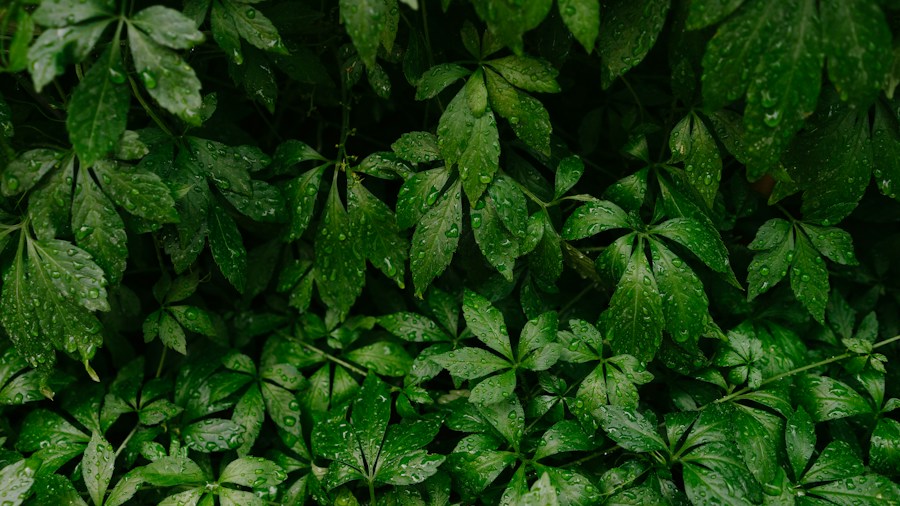
Spring brings renewed growth signals. Watch for the first emerging leaves and increasing growth rate as daylight expands. Begin with small doses of fertilizer to help your plant adjust gradually to its active growth phase. Fast-growing, low maintenance varieties like monsteras and pothos often respond well to slow-release granular formulas applied once in early spring, providing steady nutrient delivery over multiple weeks without risk of root burn.
Fall Maintenance Beyond Fertilizing
September houseplant care extends beyond stopping fertilizer applications. Inspect leaf undersides regularly for spider mites, mealybugs, and other common indoor pests. Early detection prevents infestations from spreading throughout your entire collection. Also adjust watering frequency as evaporation slows with cooler temperatures. Overwatering during fall causes far more problems than underwatering.
By understanding how seasonal changes affect your houseplants and adjusting care accordingly, you’ll keep your indoor garden thriving through fall and winter.












Write Your Review
No reviews yet. Be the first to share your experience!