

IKEA has just introduced a new wireless driver called Dubbelkisel that transforms how homeowners control integrated cabinet and wardrobe lighting. The device marks a significant upgrade to IKEA’s smart home ecosystem and opens new possibilities for consumers looking to build unified smart home setups.
What Is the Dubbelkisel and How Does It Work?
The Dubbelkisel is a wireless driver designed to connect IKEA’s integrated LED lights to a broader smart home network. Unlike its predecessor, the Trådfri driver, which relied on a small remote control using Zigbee technology, the new Dubbelkisel connects through IKEA’s Dirigera hub. This connection method allows users to control cabinet lights using IKEA smart switches or compatible devices from other manufacturers.
The key advantage is Matter compatibility, a universal smart home standard that enables devices from different brands to work together seamlessly. This means your IKEA cabinet lights can now be part of a broader smart home ecosystem alongside products from other manufacturers, giving you greater flexibility in how you build and expand your system.
Key Differences From the Old Trådfri Driver
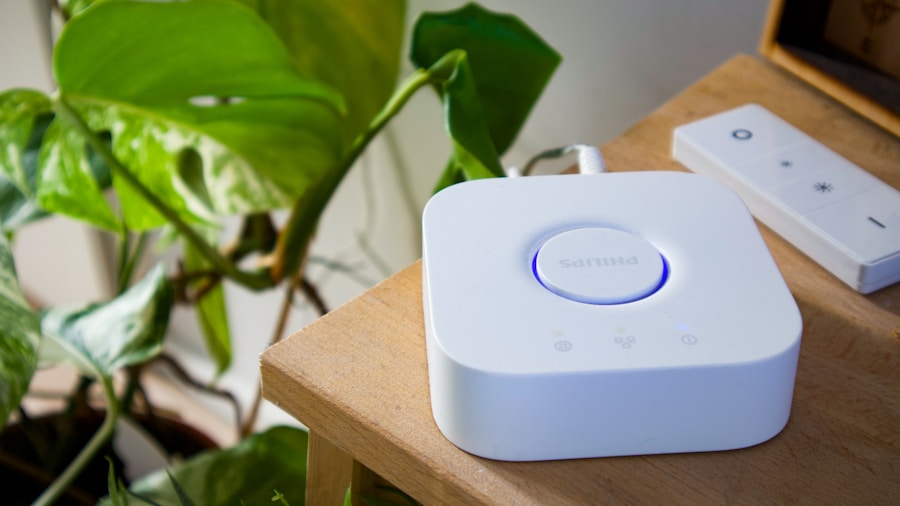
The transition from Trådfri to Dubbelkisel represents a meaningful shift in IKEA’s approach to smart lighting control. The older Trådfri connected directly to a compact remote, providing instant activation of your lights. The new Dubbelkisel requires connection through the Dirigera hub, which introduces a slight delay when turning lights on or off compared to the direct-connection model.
However, this hub-based approach offers compensating benefits. You gain the ability to integrate your cabinet lights into automation routines, voice control systems, and scenes that work across multiple devices. For shoppers building comprehensive smart home setups, the added flexibility typically outweighs the minor response time difference.
Current Availability and Pricing
The Dubbelkisel is currently rolling out across European markets at approximately $20 USD, €18 in Europe, or £15 in the UK. IKEA has indicated that wider global availability is expected within the coming weeks, so North American shoppers should watch for this release soon.
Early adopters have reported that the device performs reliably overall, though some users note they miss the instantaneous response of the older Trådfri model. For most buyers investing in smart home upgrades, the Matter compatibility and hub integration represent meaningful improvements to the overall experience.
What This Means for Smart Home Shoppers
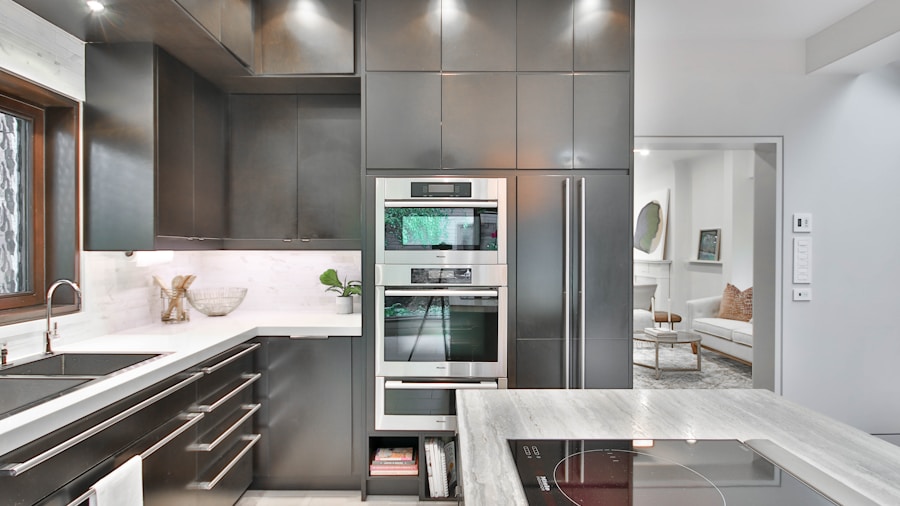
The introduction of Dubbelkisel signals IKEA’s commitment to the Matter standard, which has become the industry direction for smart home interoperability. If you own IKEA integrated lights in cabinets or wardrobes, this driver gives you a path to incorporate them into modern smart home automation rather than being stuck with remote-only control.
For buyers considering smart home investments, this development matters because it demonstrates how legacy smart home products can gain new functionality through software and driver updates. It also reinforces the value of choosing manufacturers who support Matter, as these companies tend to offer better integration options down the road.
When planning your smart home setup, consider how cabinet and task lighting fits into your overall vision. With smart home hubs and local processing becoming more common, integrating all lighting into a unified system creates more opportunities for automation, energy savings, and convenient control from phones or voice assistants.
Looking Ahead
The Dubbelkisel represents a natural evolution in smart home lighting as the industry moves toward unified standards like Matter. IKEA’s decision to update its lighting drivers rather than discontinue older products shows thoughtful product stewardship. For homeowners with existing IKEA integrated lights, upgrading to Dubbelkisel is optional but worthwhile if you want those lights to participate in broader smart home automation. As smart home hubs continue to improve, having all your devices connected through a central system becomes increasingly valuable for creating efficient, responsive home environments.










Write Your Review
No reviews yet. Be the first to share your experience!