

A Major Manufacturing Milestone in Thermal Management
A leading thermal management and liquid cooling systems manufacturer has announced unprecedented production volumes in October, shipping nearly 115 advanced chiller units alongside 500 airside units to customers across North America. This achievement represents a significant capacity milestone: over 350 megawatts of total cooling capacity, equivalent to roughly 100,000 tons of refrigeration power and 70 million cubic feet per minute of air handling capability.
The company operates manufacturing facilities in Mesa, Arizona, and Montreal, Quebec, both of which are rapidly scaling operations to keep pace with surging demand from artificial intelligence data center operators. These facilities have been instrumental in transforming the company from shipping its first unit in 2021 to reaching this historic production level in just five years.
What Drove This Production Surge
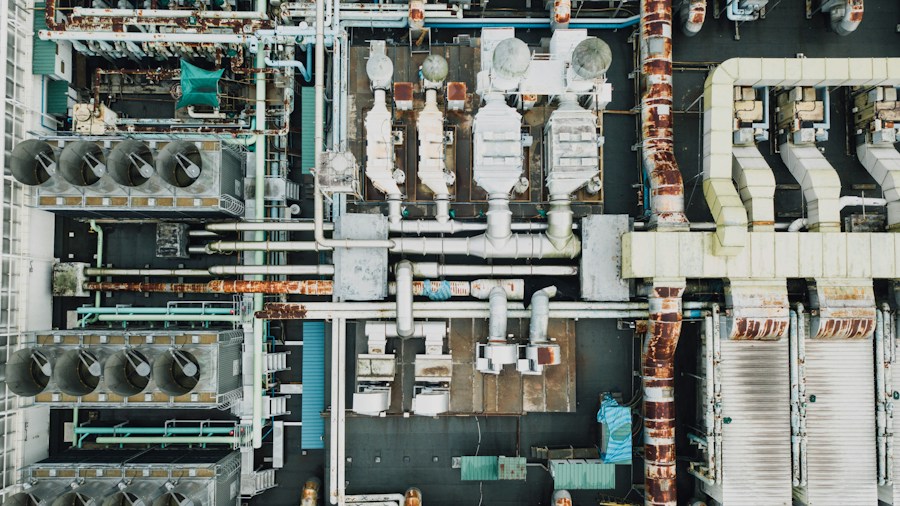
According to company leadership, reaching record shipment volumes required far more than typical manufacturing processes. The achievement stems from intensive shop floor work, precise engineering standards, careful supply chain management, and rigorous quality oversight throughout every production stage. The company has adopted automotive-style lean manufacturing principles, enabling teams across sales, engineering, operations, logistics, and field services to coordinate seamlessly.
This operational approach has proven essential as demand from data center customers continues to accelerate. Data centers require increasingly sophisticated cooling solutions to manage the thermal output of high-density computing infrastructure, making reliable, high-capacity chiller systems critical infrastructure components.
Facility Expansion Fueling Growth
The Mesa facility represents the company’s fourth major expansion initiative in just three years. This 330,000-square-foot installation was specifically designed for producing next-generation air-cooled chillers, reflecting the company’s commitment to meeting market demand through strategic capital investment. Prior expansions included a 26,000-square-meter facility that opened in April 2025, also in Mesa.
This geographic concentration of manufacturing capacity in Arizona provides logistical advantages for serving North American customers while maintaining operational efficiency. Similar trends are visible across the broader industry as major cooling system manufacturers report strong sales growth, suggesting robust market conditions for thermal management solutions.
What This Means for Equipment Buyers
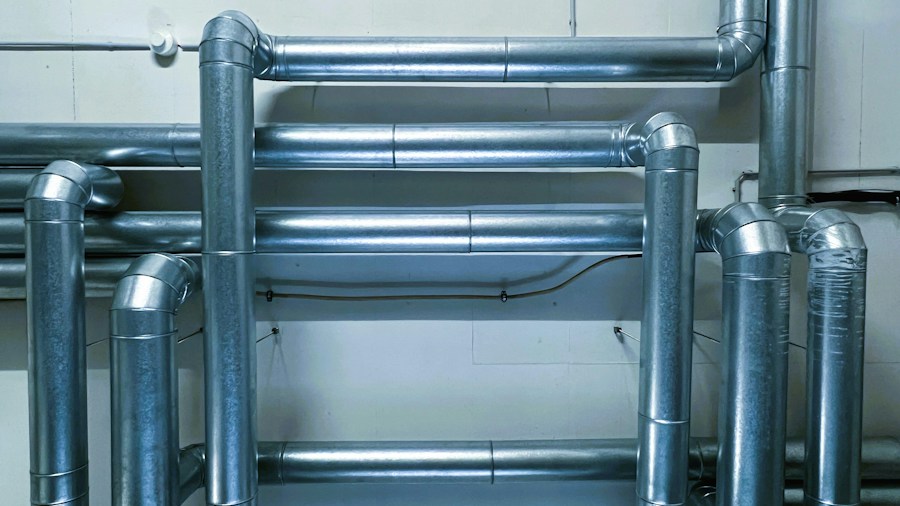
For organizations purchasing commercial cooling systems, this production milestone carries several practical implications. First, increased manufacturing capacity typically indicates that lead times for equipment delivery may improve, allowing buyers to move forward with facility projects or upgrades more quickly than when production is constrained. When manufacturers scale successfully, customers gain access to equipment within more predictable timeframes.
Second, competitive manufacturing capacity drives market efficiency. When multiple suppliers expand production simultaneously, customers benefit from improved pricing flexibility and service options. The broader industry shift toward expanding cooling system manufacturing suggests that buyers currently evaluating thermal management solutions face a favorable market environment with multiple qualified suppliers operating at higher capacity levels.
Third, technological advancement accompanies these capacity expansions. The new facility emphasizes next-generation chiller design, indicating that buyers investing in new cooling systems gain access to the latest engineering improvements and efficiency standards. Companies like those implementing advanced cooling mandates benefit from manufacturers continuously improving system performance and reliability.
The Broader Picture for Data Center Cooling
This production milestone reflects the explosive growth in data center construction and expansion. Artificial intelligence applications and cloud computing services require substantial electrical infrastructure and corresponding cooling capacity. Data centers have become strategic facilities for technology companies, and reliable cooling systems are essential operational requirements. Manufacturers that can deliver dependable, high-capacity cooling equipment at scale gain significant competitive advantages in this growing market segment.
The sustained focus on manufacturing excellence, operational efficiency, and facility expansion suggests that demand for commercial cooling systems will remain strong. Companies planning data center projects or facility upgrades should monitor capacity announcements from major suppliers, as production levels directly impact project timelines and equipment availability. A manufacturing milestone of this magnitude indicates that the industry is investing heavily in meeting sustained customer demand for sophisticated thermal management solutions.












Write Your Review
No reviews yet. Be the first to share your experience!