

When budget constraints and square footage collide, small apartment dwellers often face a tough choice: buy a traditional nightstand or leave valuable space empty. One Manhattan renter found a third option that is reshaping how shoppers think about bedroom layout and storage. By repurposing her windowsill as a functional nightstand alternative, she discovered a design hack that could work for anyone living with limited floor space.
The Problem with Traditional Nightstands in Tiny Bedrooms
Nightstands serve an essential purpose: they hold your phone, lamp, water glass, and personal items within arm’s reach at night. Yet in small studios and compact bedrooms, that furniture piece takes up precious real estate. A standard nightstand occupies roughly 1 to 2 square feet of floor space, which matters significantly when your entire bedroom is under 300 square feet. For renters and homeowners shopping for bedroom solutions, the question becomes whether that convenience is worth the footprint.
Many shoppers automatically assume a nightstand is non negotiable. Interior design conventions reinforce this idea: beds get nightstands on both sides, end of story. But necessity breeds creativity, and some residents are rejecting that assumption. Rather than accepting cramped quarters or sacrificing functionality, they are examining what their existing architecture already offers.
How a Windowsill Becomes Your Next to Bed Storage

The windowsill solution sounds simple in theory but delivers surprising practical benefits. When one side of a bed sits directly against a wall featuring a window, that sill becomes an unused ledge. Converting it into a display and storage area requires zero additional purchases and zero installation. Books, candles, plants, and bedside essentials can sit comfortably on a windowsill, keeping them accessible without consuming floor space.
This approach works particularly well when paired with strategic furniture placement. For instance, if your bed headboard sits against the same wall as a window, adding a larger piece like a bookcase or shelving unit on the opposite wall can serve dual purposes: it fills the room functionally while eliminating the need for a compact nightstand. The result is more usable space overall and less visual clutter.
Shoppers exploring alternatives to traditional nightstands might also consider that a windowsill offers natural light during the day, which can make morning routines easier. The indirect sunlight protects items from damage while creating an appealing visual arrangement.
Styling Your Windowsill for Maximum Impact
Simply clearing a windowsill and tossing items on it won’t deliver the same visual satisfaction as a thoughtfully arranged nightstand. The key is intentional spacing and design cohesion. When items are spread out rather than clustered tightly together, the windowsill maintains an organized appearance even when holding multiple objects.
Design elements matter too. Adding wallpaper or paint to the wall containing your window and sill instantly elevates the space from utilitarian to intentional. A striped or patterned wall draws the eye upward and frames your windowsill display like artwork. This technique transforms what might otherwise feel like a bare corner into a design focal point.
Shoppers on a budget will appreciate that this styling approach requires no additional furniture purchases. A can of paint or a roll of wallpaper delivers dramatic impact at a fraction of the cost of a new nightstand. For those considering bedroom updates, budget DIY nightstands can also transform bedrooms if you prefer a more traditional approach.
When This Solution Works Best
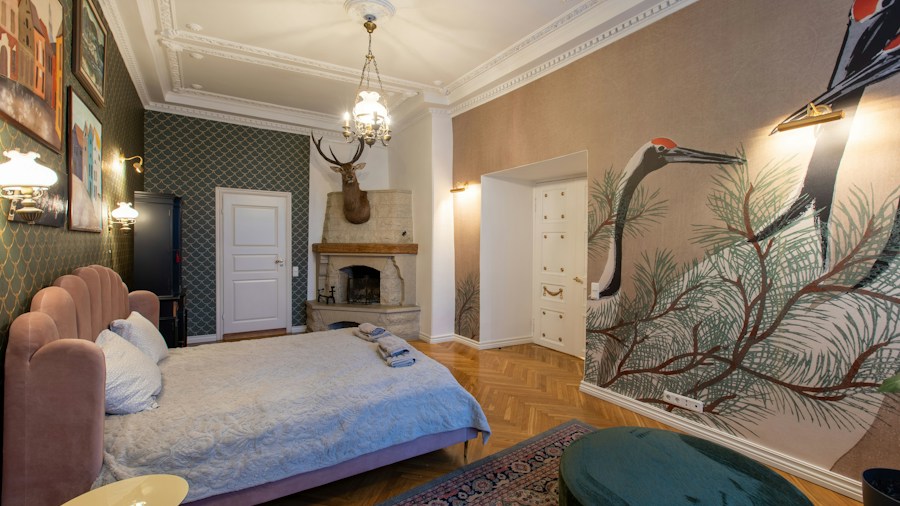
The windowsill nightstand strategy is not universal, but it excels in specific situations. If your bedroom has a window directly alongside your bed, this option deserves serious consideration. Rooms under 300 square feet benefit most, though even larger bedrooms can gain breathing room by reducing furniture density.
Renters particularly appreciate this approach because it requires no permanent modifications and no damage to the apartment. Everything can be reversed, leaving no trace. For homeowners, the flexibility remains the same: if the arrangement stops working, windowsills can return to their original bare state.
Keep in mind that seasonal changes affect windowsill displays. Direct sunlight in summer may fade certain items or create heat buildup, so rotate decor accordingly. In winter, condensation and cold from the window can damage sensitive objects, so choose hardy plants and weather resistant items.
Rethinking Bedroom Storage Standards
The rising popularity of windowsill solutions signals a broader shift in how consumers approach small space living. Rather than accepting that apartments and studios must feel cramped, shoppers are questioning every design assumption. If a nightstand is not strictly necessary, what else can be reimagined? For those interested in innovative approaches to bedroom furniture, modular nightstand designs are rewriting the rules for repairable furniture, offering another creative path forward.
This mindset extends beyond nightstands. It encourages people to audit their spaces, identify unused areas, and extract function from existing features. A windowsill, a shelf, a corner, or even a wall mounted piece can accomplish what floor standing furniture traditionally handled.
For shoppers navigating tight budgets and limited square footage, the windowsill nightstand represents permission to break conventional rules. It demonstrates that small spaces do not require small sacrifices. With intentional design choices and creative problem solving, bedrooms can feel both functional and beautiful, regardless of their dimensions.












Write Your Review
No reviews yet. Be the first to share your experience!