

A Nightstand Built to Come Apart Offers a New Model for Durable Bedroom Furniture
When a piece of bedroom furniture breaks, most shoppers face an unhappy choice: fix it expensively through a service center, or toss it and buy a replacement. A newly designed nightstand challenges this throwaway mindset by making every component removable and repair-friendly from the start.
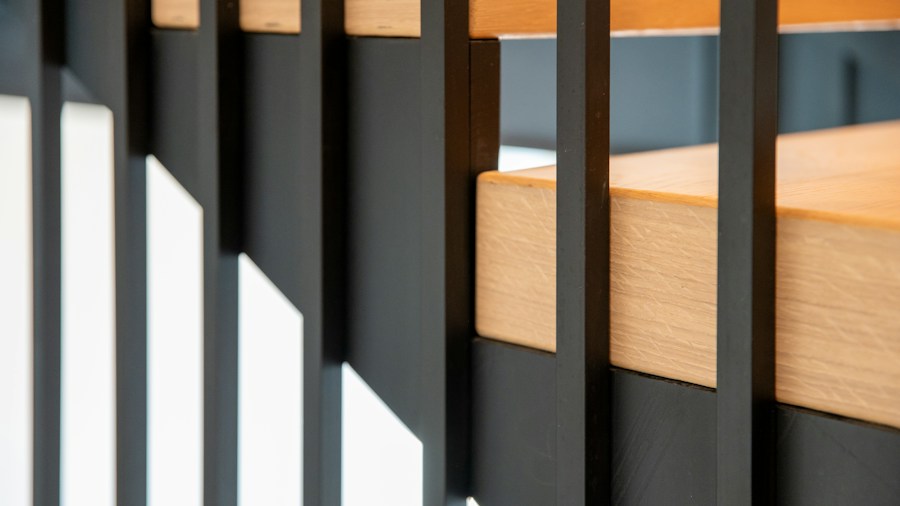
The Frame T-01, created by Studio van Egmond’s Open Construction Collection, represents a shift in how designers are approaching furniture durability. Rather than concealing fasteners and joints with glue and seamless finishes, this bedside table displays its entire assembly system. Folded aluminum side panels hold a solid oak top in place using visible bolts instead of permanent adhesive. The oak surface lifts out cleanly, shelves detach, and even the structural back panel comes free. This transparent construction means that if one part wears out or sustains damage, only that component requires replacement or refinishing, not the entire table.
The design philosophy behind this approach speaks to a larger consumer concern: sustainability and long-term value. Many modern furniture pieces are engineered as sealed units where individual parts cannot be serviced. Glue and hidden fasteners make beds, tables, and cabinets difficult to repair when only a single element fails. By contrast, accessible bolted connections allow owners to understand exactly how their furniture holds together and modify it as needed.
What the Design Looks Like in Practice
The visual appeal of the Frame T-01 bridges industrial aesthetics and refined bedroom style. The aluminum panels have a workshop-like honesty to them, yet rounded cutouts in the sides prevent them from appearing blank or forbidding. Red outlines trace these openings, adding visual interest without overwhelming the design. Against this utilitarian metal, the warm grain of the oak top provides softness and contrast. The table measures roughly 17.5 by 13.7 by 14.3 inches, making it appropriately compact for most bedroom setups.
Beneath the oak surface sit two open shelves that create storage compartments of different heights. This openness means nothing hides from view, which matters for bedroom organization. Dark wood and white furniture continues to dominate contemporary bedroom aesthetics, and this table’s natural oak works seamlessly with either palette.
One thoughtful detail addresses the potential clash between exposed construction and exposed household clutter: a dedicated internal channel routes lamp cables down the back panel. This keeps cords concealed even though the table’s overall structure remains visible. It represents a balance between honest design and practical home life.
What This Means for Furniture Shoppers
The rise of openly constructed, modular furniture like the Frame T-01 signals a broader shift in what consumers should evaluate when purchasing pieces for their homes. Rather than assuming all nightstands, dressers, and storage units function as sealed black boxes, shoppers can now seek out designs where fastening systems are visible and replaceable parts are available.
This approach aligns with growing interest in durable, repair-friendly home goods. Smart furniture choices that allow customization and future modification appeal increasingly to buyers thinking long-term. When you purchase a piece whose individual components remain separable and understandable, you gain the ability to refresh finishes, replace worn elements, or adjust the design without discarding the whole object.
However, interested buyers should ask manufacturers directly about parts availability and service options before committing to a purchase. Accessible connections represent the foundation for repairability, but actual replacement parts must exist and remain obtainable years after the original purchase. The design’s potential for disassembly only matters if the company stands behind that commitment.
Broader Implications for Bedroom Furniture Trends
The Frame T-01 arrives as more consumers question whether cheaper furniture that must be replaced every few years truly costs less than durable pieces built for longevity. When every fastener is visible and every joint can be accessed, manufacturers signal confidence in their engineering and their willingness to support the product throughout its life.
This model extends beyond nightstands. Storage furniture that balances open display with functional organization continues reshaping bedroom and living room layouts. The same principles of visible construction, removable components, and durable materials apply across the entire home.
Shoppers evaluating nightstands and other bedroom furniture should inspect how pieces are joined. Look for fasteners rather than seams that disappear into hidden glue joints. Ask whether tops, shelves, and panels can be removed without destroying the piece. These questions reveal whether a manufacturer has designed for a single use followed by disposal, or whether they’ve built in the possibility for a much longer, more sustainable relationship with the object itself.











Write Your Review
No reviews yet. Be the first to share your experience!