

As fall settles in and temperatures drop, your indoor houseplants need seasonal adjustments to thrive through winter. Snake plants, while famously low-maintenance, require specific care shifts when October arrives. Understanding what your snake plant needs right now can prevent common problems like root rot, yellowing, and stunted growth.
Why October Marks a Critical Care Transition
Snake plants are remarkably forgiving houseplants that tolerate neglect better than most indoor greenery. However, the shift from fall to winter creates conditions that challenge even the toughest plants. Shorter days, lower light levels, cooler temperatures, and the onset of indoor heating all demand a change in how you water, position, and maintain your snake plant. The good news: adjusting your care routine is straightforward once you know what to prioritize.
Stop Watering on Your Old Schedule
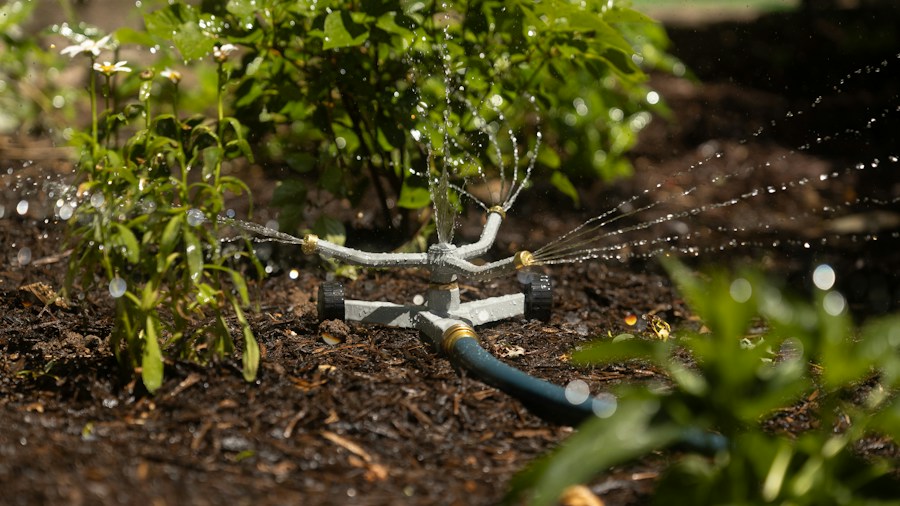
The biggest mistake houseplant owners make in fall is continuing their summer watering routine. Snake plants store water in their fleshy leaves, making them naturally drought-tolerant much like succulents. When temperatures cool and growth slows, they need dramatically less water.
In October, reduce watering to once every three to four weeks instead of your previous schedule. Always let the soil dry out completely between waterings. If you’re unsure whether the soil has dried, use a soil moisture meter to remove the guesswork. Never pour water into the leaf rosette where leaves meet the base, as standing water causes rot. The risk of overwatering damage far outweighs any benefit of extra moisture during the dormant season.
Clean Leaves to Maximize Limited Light
Snake plants have distinctive sword-shaped, glossy foliage that naturally attracts dust. While dust may seem cosmetic, it blocks the light your plant desperately needs during shorter fall and winter days. Dust accumulation also creates conditions where pests thrive and plant pores become blocked.
Wipe down your snake plant’s leaves regularly with a damp cloth or microfiber dusting gloves designed for houseplants. This simple task takes minutes but has a meaningful impact on how much light reaches the leaf surface for photosynthesis. Make this part of your weekly routine in October and maintain it through winter.
Relocate Away from Heat Sources and Cold Drafts
One of the most overlooked aspects of houseplant care involves placement and temperature control. When central heating kicks on in October, radiators and heating vents pump out dry heat that stresses your snake plant. Similarly, cold air seeping around windows or from exterior doors causes temperature swings that lead to discoloring and drooping leaves.
Move your snake plant pot away from all heating sources and ensure leaves don’t touch cold windowpanes at night. The ideal temperature range for snake plants is 60 to 75 degrees Fahrenheit. Consistent, moderate conditions allow your plant to rest comfortably through the dormant season without environmental stress.
Discontinue Fertilizing Until Spring
Plant roots naturally slow their nutrient uptake when temperatures drop and daylight decreases. Adding fertilizer now does more harm than good. The plant cannot absorb the extra nutrients, which can actually burn the roots and cause yellowing or damage to the plant’s overall health.
If you haven’t stopped fertilizing already, make October your cutoff month. Save fertilizer applications for spring when your snake plant resumes active growth and can actually use those nutrients. This is a perfect time to stock up on houseplant fertilizer for when growing season returns.
Avoid Pruning and Major Repotting
Fall is not the season for aggressive pruning or repotting. Any new growth encouraged by pruning will struggle to develop during cooler, darker months, leaving your plant weakened and stressed. Common houseplant care mistakes often involve poor timing of maintenance tasks.
The only exception is removing visibly damaged or broken leaves using sharp pruning shears. Make clean cuts at the base of the leaves. If your snake plant has genuinely outgrown its pot, repot it as early in October as possible to give it time to settle before dormancy deepens. Otherwise, wait until spring to refresh soil or upsize containers.
Monitor for Signs of Trouble
Even with proper adjustments, keep watch for drooping, mushy stems, or yellowing leaves. These symptoms usually indicate overwatering or insufficient light. When you spot problems, make corrections immediately. Addressing houseplant issues early prevents them from worsening through winter.
By making these five adjustments in October, you set your snake plant up for success through winter dormancy and position it to flourish when warmer weather returns. The effort required is minimal, but the payoff is a healthy, attractive plant that continues thriving year after year.










Write Your Review
No reviews yet. Be the first to share your experience!