

An Easy DIY Solution for Aging Lace Curtains and Tablecloths
Lace window treatments have graced homes for decades, and while trends shift, many households still have vintage lace curtains tucked away in storage. Rather than discarding these classic pieces, homeowners now have a creative way to give them new life. A popular DIY trend shows that aging lace fabric can be transformed into handmade decorative flowers using simple supplies like nail polish, wooden skewers, and basic sewing materials. This approach appeals to budget-conscious shoppers and those seeking sustainable home decor alternatives.
The concept behind this craft project is straightforward: old lace becomes petal material, wooden sticks become stems, and nail polish adds the final decorative touch. The result resembles delicate roses that can be displayed in vases, used as picture frame accents, or arranged in garlands. Unlike fresh flowers that require constant replacement, these lace blooms last indefinitely and cost only pennies to create if you already have leftover lace and basic craft supplies at home.
What This Means for Your Home Decor Budget
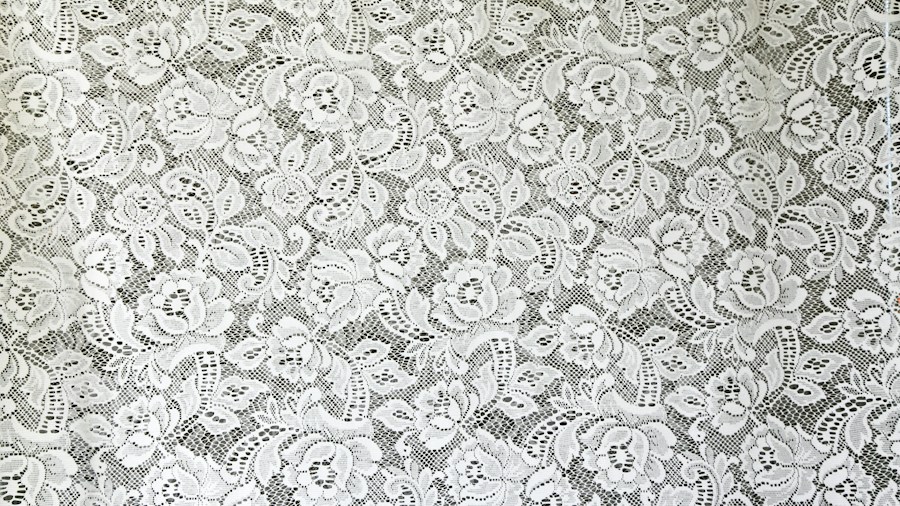
For shoppers looking to refresh their interiors without spending significant money, this DIY method offers genuine value. Store-bought artificial flowers range from affordable plastic options to premium silk designs that can cost twenty to fifty dollars per stem. By repurposing old curtains, the material cost essentially becomes zero. The only expenses involve supplies you likely already own: nail polish, wooden skewers, thread, and scissors. This makes the project especially appealing during economic uncertainty when consumers seek ways to maintain attractive homes on tighter budgets.
Beyond cost savings, this trend reflects a broader shift toward sustainable home decorating. Rather than contributing lace fabric to landfills, crafters extend its usefulness and preserve its inherent elegance. This aligns with how many homeowners now approach window treatments more intentionally. Building your own curtain rods for under fifty dollars has become a similar movement, allowing consumers to customize their spaces while controlling expenses.
How to Transform Lace Into Blooms
The process begins with preparing the lace fabric itself. Using a jar lid as a template, cut circular pieces from the lace, then divide each circle in half to create semicircles. Approximately thirteen of these pieces should be pinned lengthwise in an overlapping pattern. Using needle and thread, hand sew a running stitch along the straight edge, then gather the thread to create a ruffled effect that resembles natural flower petals. This step requires about thirty minutes of careful work but requires no specialized skills.
Next, prepare the stem by using a wooden kitchen skewer or small twig. Glue bunched tissue paper to one end to form a bud center, then wrap a small piece of lace around this bud and secure it with thread. Take the ruffled lace ribbon created earlier and begin wrapping it around this central bud, gluing the straight edge down as you spiral outward so curved edges fan naturally like petals. Use low-temperature hot glue to protect the delicate lace from burning. Making smaller windows look bigger with strategic curtain placement is one approach to window styling, but these handmade lace flowers offer another creative way to draw focus to window treatments.
Adding Color and Finishing Touches
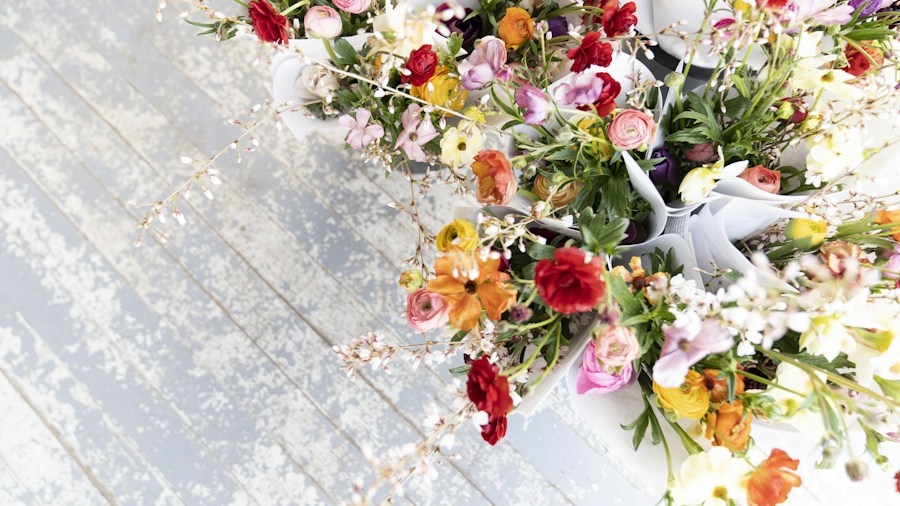
Once the basic flower structure is complete, nail polish transforms it into something truly special. The brush applicator allows precise control, and the glossy, shimmery finish surpasses standard craft paint options. Apply polish along petal edges in colors matching your decor: pastels create soft, dainty effects, while metallics like gold and copper make arrangements pop. Glittery polish adds a frost-like sparkle perfect for seasonal displays.
Finish by wrapping green or floral tape around the stem and attaching artificial leaves at random intervals. Place finished flowers in vases, string them into garlands, or bundle them as gifts. The entire project, from cutting lace to adding final polish details, typically takes two to three hours depending on flower size and quantity.
Practical Applications for Your Home
These DIY lace flowers work beautifully in numerous settings. Arrange multiple blooms on bookshelves, coffee tables, or desks for instant visual interest. Painted window borders are replacing curtains for some homeowners, and lace flower accents complement both traditional curtains and modern window solutions. Use them as picture frame decorations, tie them into existing floral arrangements, or display them as standalone accent pieces. The longevity of lace flowers means your investment in time and materials pays dividends for years.
This trend demonstrates how vintage home goods can find renewed purpose through creative repurposing. As sustainable living becomes increasingly important to consumers, transforming old curtains into beautiful decorative elements offers both practical and environmental benefits.












Write Your Review
No reviews yet. Be the first to share your experience!