

A New Mid-Range Power Tool Option Enters the Market
Bosch has introduced a fresh 16V cordless power tool platform that is gaining traction in overseas markets, signaling a potential shift in how manufacturers approach mid-range tool design. The launch centers on the PRO GSB16V-50, a cordless drill engineered for users who need compact performance without sacrificing capability. This development raises important questions about where this voltage class fits in an increasingly crowded power tool landscape and what it could mean for your workshop.
Understanding the 16V Drill and Its Capabilities
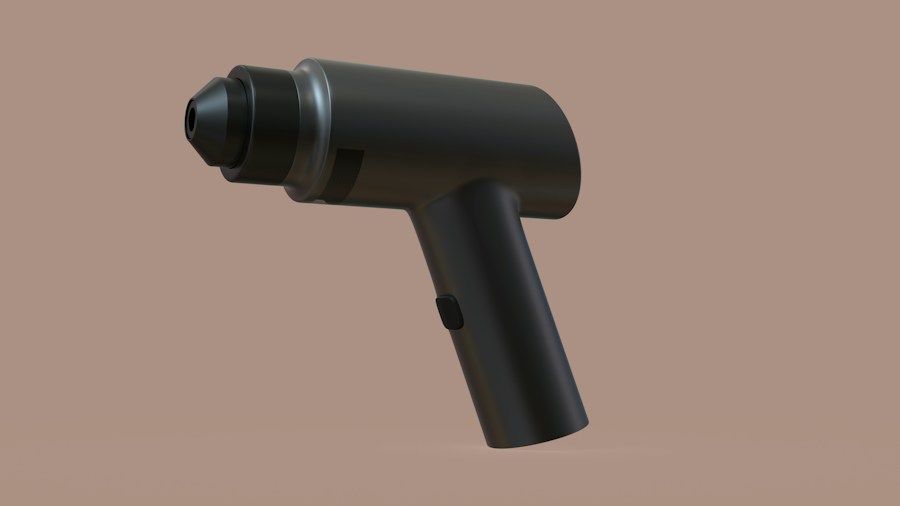
The new Bosch 16V cordless drill delivers up to 55 Newton-meters of maximum torque, equivalent to roughly 487 inch-pounds, with rotational speeds reaching 1850 RPM. These specifications position the tool as a capable mid-range option for general drilling and fastening tasks. The drill features a 10mm chuck, which measures approximately 3/8 inch, though Bosch also lists a half-inch tool fitting capability in its technical documentation.
The compact battery design plays a crucial role in this platform’s appeal. Rather than using a traditional slab-style battery pack, Bosch has integrated the cells into a narrow stem form factor. This approach creates a lighter, more maneuverable tool that users can operate in confined spaces and overhead positions where heavier drills become fatiguing. The ergonomic advantage becomes clear when you’re working in ceiling cavities, wall cavities, or other tight installations where tool weight directly impacts user fatigue and accuracy.
How 16V Fits Into the Current Power Tool Ecosystem
The cordless power tool market currently segments itself into three dominant voltage classes: 12V compact tools, 18V to 20V mid-range platforms, and 36V to 40V heavy-duty systems. The 16V class represents an intermediate step that existed historically in older cordless systems but largely disappeared as manufacturers refined their 12V and 18V offerings. Bosch’s decision to resurrect and modernize this voltage class suggests the company identified specific user needs that existing platforms don’t fully address.
Compared to 12V tools, the 16V drill delivers more raw power and torque capability, making demanding applications like masonry drilling more manageable without hammer-drill functionality. However, it doesn’t offer the broad ecosystem compatibility you get with 18V or 20V platforms, where manufacturers typically offer dozens of compatible tools ranging from impact drivers to sanders to reciprocating saws. This creates a trade-off: gaining compact size and weight while losing platform versatility.
What This Launch Means for Shoppers
The immediate question surrounding this announcement is whether Bosch plans to build out a complete 16V system or if the GSB16V-50 represents a one-off tool designed for specific markets and users. Looking at industry precedent, companies like Greenworks have successfully launched specialized voltage platforms for niche applications, while others have attempted single-tool systems that never expanded. The answer will determine whether this 16V option becomes a genuine alternative for workshop owners or remains a curiosity for professionals with specialized requirements.
If Bosch commits to expanding the 16V lineup, buyers benefit from having a true middle ground between compact 12V tools and more powerful 18V platforms. This could prove especially valuable for homeowners and small contractors who occasionally need additional power but don’t want to invest in heavier equipment or maintain multiple battery systems. Conversely, if Bosch treats this as a limited offering, the platform may hold interest primarily for commercial users in specific industries where the compact-yet-capable formula solves real workflow problems.
Evaluating Your Power Tool Strategy
For consumers considering their cordless tool investments, the arrival of new voltage classes reinforces the importance of thinking strategically about battery platform compatibility. Most users benefit from committing to a single manufacturer’s ecosystem rather than assembling a patchwork of incompatible tools. Bosch’s expanding tool selection across voltage classes demonstrates how established manufacturers continue innovating to address different use cases and user preferences.
Before investing in any new cordless system, consider which tools you actually use regularly and which voltage platforms already serve those applications effectively. If you already own a collection of 12V or 18V Bosch tools, adding a 16V platform introduces battery and charger management complexity. However, if you’re starting fresh and work primarily in confined spaces where tool size and weight significantly impact daily productivity, a dedicated 16V system focused on specific applications might represent a smart investment. As more manufacturers introduce specialized platforms, the cordless tool market increasingly rewards thoughtful planning over impulse purchasing.
The outcome will become clearer as Bosch reveals whether additional 16V tools join the cordless drill. Until then, this launch demonstrates that even mature power tool categories continue evolving to serve specialized needs and user preferences in the marketplace.











Write Your Review
No reviews yet. Be the first to share your experience!