

What’s Happening in DIY Lighting
Homeowners embracing bohemian decor are discovering a fresh way to light their spaces: creating pendant lights from wooden hoops and skewers. This trending DIY project combines affordable materials with an organic aesthetic that fits perfectly into boho design schemes. The project has gained traction because it delivers both visual appeal and practical functionality without breaking the bank.
The core concept involves layering wooden skewers across embroidery hoops, then securing them with raffia ribbon to create a sculptural shade. When paired with a pendant cord and bulb, the result is a statement lighting fixture that looks far more expensive than its modest material cost. What started as an offbeat craft project has evolved into a recognized design trend that appeals to DIYers across skill levels.
Why Shoppers Should Care
If you’re furnishing a boho space, pendant lighting is essential to completing the look. Mass-produced boho fixtures often carry hefty price tags, but this DIY approach offers an affordable alternative. For roughly the cost of one designer pendant light, you can gather all materials needed to build a custom fixture that matches your exact color palette and size preferences.
The DIY trend also matters because it addresses a real gap in the market. Store-bought boho pendants tend to follow predictable designs, whereas handmade versions allow for personalization. You control the density of the skewers, the placement of raffia accents, and whether your shade leans toward airy or densely woven.
What You’ll Need to Get Started
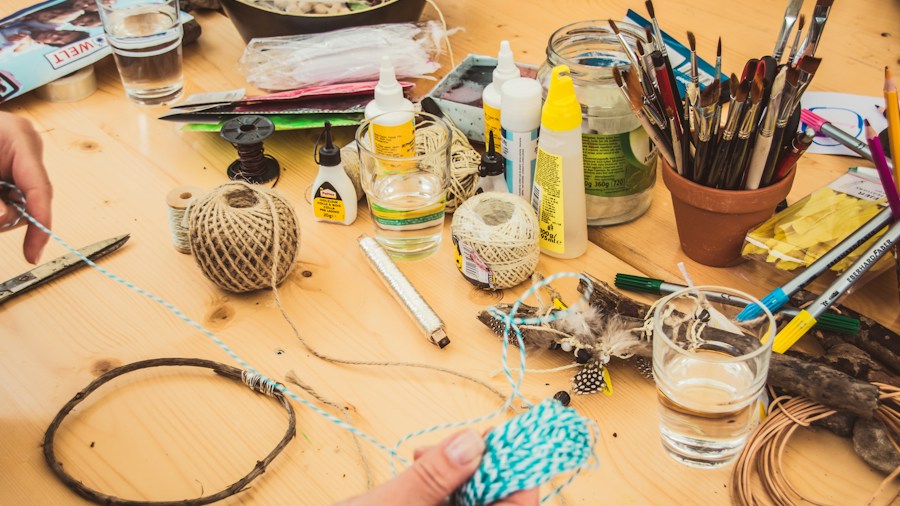
The shopping list is straightforward and requires materials available from craft retailers and online suppliers. You’ll need four embroidery hoops in two different sizes: two large and two small. Wooden skewers form the structural frame and decorative element. Raffia ribbon conceals glue points and adds texture. A hot glue gun and hot glue sticks hold everything together, and a pendant light cord with socket and bulb complete the fixture.
One key consideration: seek out skewers with rounded ends to avoid having to trim them. This saves time and reduces frustration during assembly. All materials typically cost between thirty and sixty dollars, depending on where you shop and whether you already own a hot glue gun.
The DIY Process Simplified
Assembly begins by disassembling your embroidery hoops to extract the wooden rings. You’ll attach skewers radially around the larger hoop using hot glue, then wrap raffia over the glue to create a finished appearance. After the glue sets, you’ll add more skewers to fill gaps and then connect the other ends to a second large hoop, creating a framework.
The smaller hoops follow the same process to build a second tier. Once both shades are complete, you’ll glue them together and add a hashtag-shaped support frame on top to hold the pendant cord. The cord passes through the center hole while the light socket sits above, creating a secure and functional setup.
This DIY approach shares similarities with other trending pendant light projects. For instance, DIY frying pan pendant lights are trending among vintage enthusiasts, while pickle jar pendant lights offer another creative option for eco-conscious decorators. The wooden hoop method sits squarely in the boho camp and allows for more sculptural flexibility than jar-based alternatives.
Customization Options
The beauty of this project lies in its adaptability. Want a brighter, more open fixture? Space the skewers further apart to let light shine through generously. Prefer softer, more diffused lighting? Weave raffia through the skewer framework to create denser coverage and a warmer glow.
You can also repurpose this design as a table lamp instead of a pendant. Simply attach the shade to a lamp base and set it on a shelf or side table. This flexibility makes the project appealing to renters who cannot install ceiling fixtures. The piece works equally well suspended above a dining table, as ambient lighting in an entryway, or as a focal point in a bedroom.
Related innovations in DIY lighting continue to emerge. Beaded pendant light DIY trends show how diverse handmade lighting projects have become, each offering distinct aesthetic benefits and skill-level requirements.
What This Means for Your Decor Budget
This trend democratizes boho lighting design. Instead of spending one hundred fifty to three hundred dollars on a single pendant light, you invest a fraction of that for a one-of-a-kind creation. The savings multiply if you build multiple fixtures for different rooms or areas of your home.
The rising popularity also suggests that DIY home decor remains a priority for consumers seeking authenticity and cost-effectiveness. Boho design itself emphasizes handcrafted, natural elements, so a homemade pendant light aligns perfectly with the philosophy behind the aesthetic. This alignment between trend and style makes the project feel intentional rather than improvised.
Whether you’re new to boho decor or refining an existing bohemian space, this pendant light project offers an accessible entry point into custom lighting. The combination of affordability, relative ease of construction, and finished-product quality explains why more homeowners are picking up skewers and embroidery hoops to brighten their spaces.









Write Your Review
No reviews yet. Be the first to share your experience!