

Building a new garden doesn’t require investing in dozens of expensive gadgets or tools. Instead, a focused collection of reliable, versatile equipment gives you everything needed to establish a thriving outdoor space. Whether you’re planting your first vegetable bed or transforming a bare yard, having the right starter kit makes the entire process easier and more enjoyable.
Build Your Core Gardening Tool Kit
A well-chosen foundation of gardening tools serves you for years to come. Rather than purchasing a massive set, focus on quality pieces you’ll actually use regularly. A professional horticulturist’s approach to garden setup emphasizes versatility and durability over quantity. Start with these essentials, then expand your collection as your garden develops and your needs become clearer.
Hand Tools: The Daily Workhorses
Protective gardening gloves made from leather offer year-round protection against cuts, pricks, and abrasions. These gloves are essential for weeding, clearing debris, planting, and pruning tasks throughout the growing season.
A quality pair of bypass pruners handles everything from deadheading spent flowers to trimming shrubs. Look for pruners with precision-ground steel blades and ergonomic handles that can cut stems up to 5/8 inch in diameter. You’ll reach for these constantly as your garden matures.
A sturdy trowel with an aluminum head and textured handle support planting bulbs, bedding plants, and weeding work. Since trowels handle heavy use over many years, investing in a durable model pays off.
A strong garden spade with a carbon steel blade and fiberglass handle helps with planting, transplanting, dividing plants, and soil work. The stepper built into many models provides extra leverage for tough jobs.
A garden fork serves multiple purposes for digging, turning soil, spreading organic matter, and weeding. Its four sharp tines make breaking up compacted soil easier than a spade alone. If you’re gardening in tight spaces or working with raised beds, consider a smaller border fork instead.
Clearing and Maintenance Tools
An adjustable garden rake with a collapsible head solves storage challenges while handling diverse tasks. The expandable head works for leaf clearing, lawn scarification, debris removal, and bed preparation. A telescopic steel handle adjusts to your preferred length, and the head tucks away when not in use.
A stirrup hoe excels at quick summer weeding in flower beds and vegetable gardens. This tool slices young weeds at soil level, allowing them to desiccate in the sun without requiring deep digging.
When debris accumulates from trimming, weeding, and seasonal cleanup, a collapsible vinyl-coated polyester bag provides compact storage. It folds to just three inches when not needed, making it ideal for small garden sheds or storage areas.
Soil Preparation and Planting Success
Healthy soil forms the foundation for every successful garden. Before planting anything, invest in a soil testing kit that provides professional laboratory analysis. These tests reveal your soil’s composition, pH level, and nutrient status, allowing you to make informed amendments and adjust your planting strategy accordingly.
Adding organic matter dramatically improves garden soil by increasing moisture retention, promoting better drainage, and boosting nutrient levels. Composted cow manure works wonderfully for new beds, existing flower gardens, and vegetable plots. It’s ready to use immediately, produces minimal odor, and costs less than many alternatives.
Small urban gardens benefit from thoughtful soil preparation, which makes professional testing even more valuable in confined spaces.
Watering, Planting, and Comfort
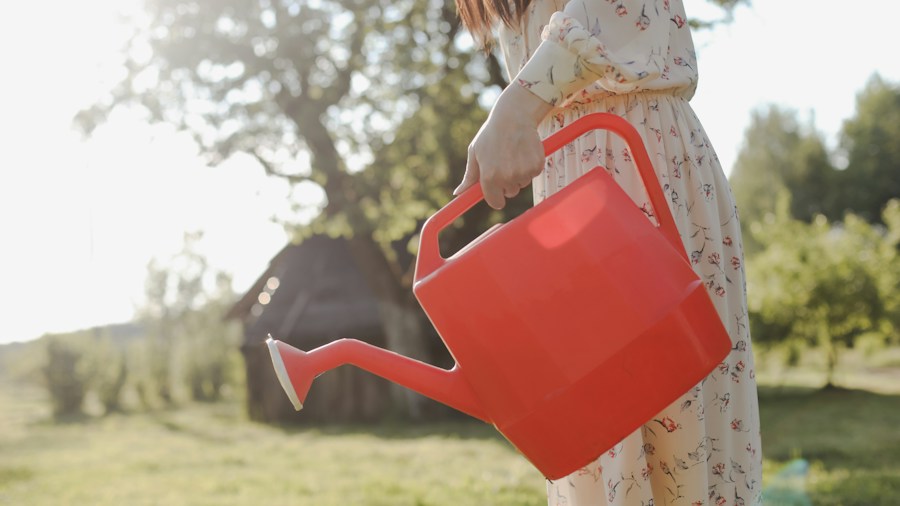
A sturdy metal watering can with a detachable rose attachment handles hydration for planted beds and containers. Unlike garden hoses, watering cans require no special setup and work from any water source.
A kneeler with half-inch-thick padding transforms hours spent on your knees into comfortable work sessions. Many models flip to become a convenient stool for taking breaks during longer gardening projects. This often-overlooked tool prevents dirty clothes and reduces strain on joints.
Seed packets offering 55 different vegetable varieties give you instant access to popular options like tomatoes, peppers, cucumbers, lettuce, and carrots. Starting from seeds is cost-effective and provides better variety than nursery transplants.
Pollinator-friendly flower seed mixes containing 23 species including larkspur, columbine, snapdragon, cosmos, foxglove, poppy, and zinnia establish a garden that attracts bees, butterflies, and hummingbirds. These mixes typically work across USDA zones 3 through 10.
Lawn and Landscape Care
If your garden includes lawn space, a battery-powered mower offers convenience without gas engine maintenance. Models with six cutting heights and mulching options provide flexibility for different grass conditions and preferences.
Fall garden cleanup becomes easier with proper tools and planning, so equipment choices matter throughout the entire year.
Planning Your Investment
Starting a garden with the right tools eliminates frustration and sets you up for long-term success. Quality equipment lasts for years, making the initial investment worthwhile. Begin with these essentials, then add specialized tools as your gardening interests expand. English garden trends and other design approaches may inspire you to add specific tools later, but this core collection handles 90 percent of typical gardening tasks year-round.











Write Your Review
No reviews yet. Be the first to share your experience!