

A New Take on Sofa Design Challenges Living Room Conventions
When a sofa enters a living room, it typically makes a bold statement. A substantial frame, solid arms, and high back force every other piece of furniture to adapt around it. The recently unveiled Plissè Block presents a refreshing alternative to that visual dominance: maintaining architectural presence while allowing light to pass through the piece itself. This shift in approach reveals how material innovation can change the way we think about foundational furniture purchases.
Designed for a fashion label’s Milan retail location, the Plissè Block represents custom furniture rather than mass production. That distinction matters for shoppers evaluating the broader implications. When a sofa serves as both seating and spatial anchor, its visual language becomes crucial. This design philosophy demonstrates that a furniture piece can command attention without reading as a solid block of fabric and padding.
Material and Construction Set This Sofa Apart
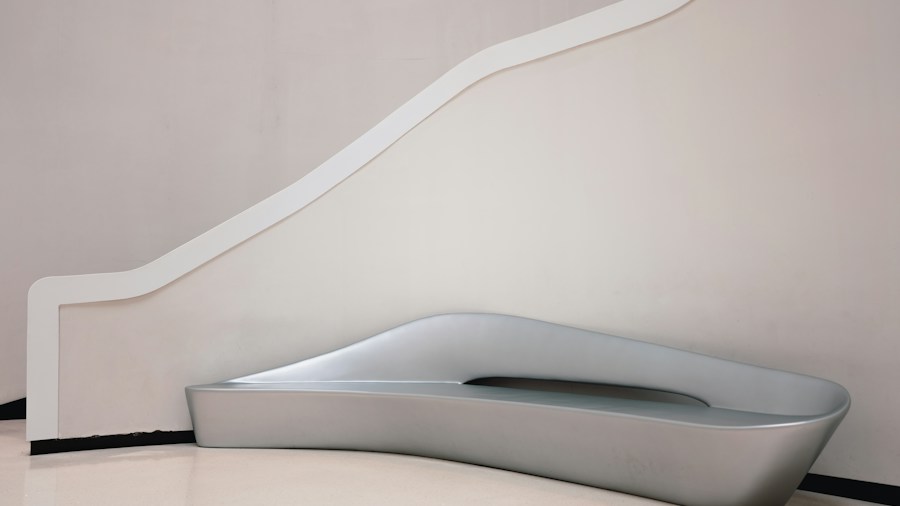
The engineering behind the Plissè Block is more sophisticated than simply placing cushions inside a glass box. Three distinct modules compose the sofa: two flanking side sections and a central seat area. The glass structure layers a smooth inner surface for structural support with a fluted outer layer that wraps the overall volume. This distinction fundamentally changes how viewers perceive the piece, since the outer ridges interrupt the transparent view you would expect from typical glass furniture.
The ridged surface draws inspiration from pleated fabric, with tightly repeated grooves that mimic folded textiles. Red upholstery stretches behind the glass panels, creating narrow streaks that lose their typical crisp edges. The material reference works through construction rather than decoration. Three rectangular cushions provide seating comfort, while three cylindrical backrests offer support, all upholstered in saturated red velvet. Their rounded profiles contrast with the frame’s sharp angles, and the bold color choice prevents the piece from becoming purely optical.
Visible hardware punctuates the ribbed glass panels: small circular metal fittings that make assembly transparent rather than hidden. Against the repeated lines, these details function as visual punctuation, giving the glass edges a deliberate, mechanical character rather than appearing as a seamless object.
Performance and Practical Considerations for Shoppers

While the design innovation is compelling, potential buyers should understand the practical limitations before considering similar pieces for everyday use. Premium modular sofas often require careful evaluation, and transparent furniture raises additional questions about durability and comfort. Leaning against a glass armrest during extended viewing sessions may not deliver the cozy support that traditional upholstered sofas provide. Manufacturers rarely publish glass specifications or load testing data for such pieces, creating information gaps for consumers considering them as daily furniture rather than statement installations.
The Plissè Block’s context matters when evaluating its functionality. Designed as a retail centerpiece surrounded by rich wood paneling and vibrant carpeting, the piece benefits from an already textured environment that prevents the glass from feeling cold or untouchable. In an entirely neutral room, the presentation might feel more like museum-quality art than inviting seating.
What This Design Trend Means for Your Living Room
The fundamental design lesson here challenges conventional furniture placement. Transparency need not mean invisibility. A see-through object can command visual interest through texture rather than opacity alone. Gallery walls above sofas work best when the seating itself allows attention to the wall, and this principle applies to transparent furniture as well.
The Plissè Block isn’t positioned as an obvious choice for casual family living rooms, nor does it need to be. Its appeal targets a specific aesthetic: a familiar furniture silhouette becomes unexpectedly expressive through material innovation. Even the back and sides offer visual interest, making a strong argument for allowing sofas to be seen rather than automatically pushing them against walls as background elements.
For shoppers exploring alternatives to conventional sectionals and standard sofas, the Plissè Block demonstrates how design-forward thinking can redefine what a sofa accomplishes in a space. Whether you’re drawn to its aesthetic or simply curious about the future of furniture design, this transparent approach signals that sofas are evolving beyond purely functional pieces into architectural elements that anchor and define their environments.










Write Your Review
No reviews yet. Be the first to share your experience!