

Curtain rods can eat up a significant portion of your home decor budget, and finding the right style at an acceptable price has become increasingly frustrating for homeowners. The good news is that you don’t have to choose between affordability and aesthetics anymore. A growing number of budget-conscious shoppers are discovering that building custom curtain rods from basic hardware store materials offers both cost savings and creative flexibility that ready-made options simply cannot match.
The Rising Cost of Store-Bought Curtain Rods
When you shop for quality curtain rods at traditional retailers, you quickly notice that prices climb faster than they should. Decorative rods with decent hardware and finishes can easily run into the hundreds of dollars, particularly for larger windows or specialty styles. Many shoppers find themselves compromising on appearance or quality just to stay within budget. This frustration has led to a surge in DIY solutions that tap into readily available materials from home improvement stores.
How Budget DIY Curtain Rods Work
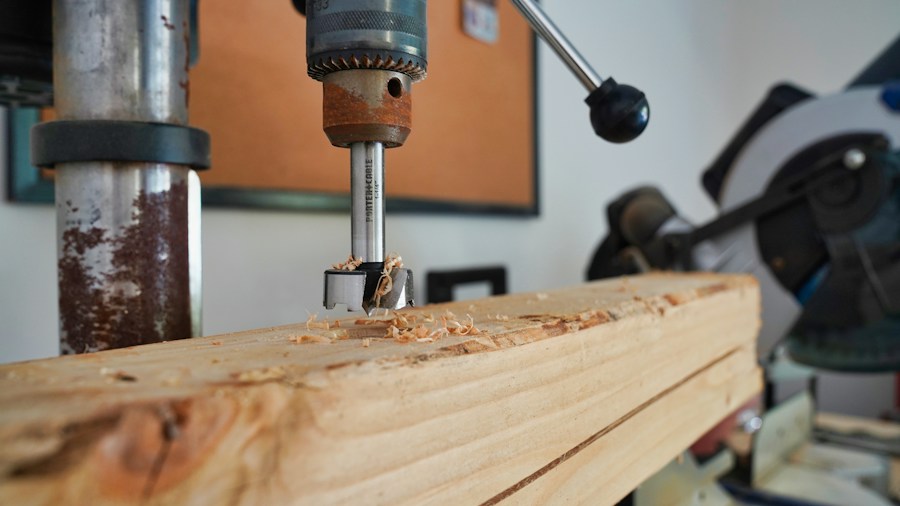
The concept is straightforward and requires no advanced carpentry skills. The basic approach involves using two corbel brackets paired with a wooden dowel. Corbel brackets typically cost around eleven to twelve dollars each and come pre-sanded with keyhole mounting plates already installed. A wooden dowel rod runs roughly seven dollars and serves as your actual curtain rod. Combined with basic tools like a measuring tape, drill, and saw that most homeowners already own, your total investment stays well under fifty dollars for a complete rod setup.
The customization potential extends well beyond simple assembly. Statement curtains have become increasingly popular as focal points in room design, and having a rod that matches your vision makes all the difference. You can modify the brackets by cutting half circles or full circles to suit your preferred aesthetic, then paint or stain everything to coordinate with your decor scheme.
Steps for Creating Your Own Curtain Rod
Begin by preparing your corbel brackets. Using a hole saw, carefully carve a half circle into the top of each bracket where the rod will rest. Mark both brackets precisely to ensure they’re identical, then sand the cuts smooth. Install the brackets on your wall by drilling pilot holes and positioning them at equal distances from your window frame on both sides.
Measure the distance between your installed brackets, then cut your wooden dowel to length, leaving a few inches on each side to extend beyond the brackets for visual balance. Sand any rough edges from your cuts, then simply place each end of the dowel into the half circle cutout on your brackets. The installation takes less than an hour from start to finish.
Customization Options for Any Window
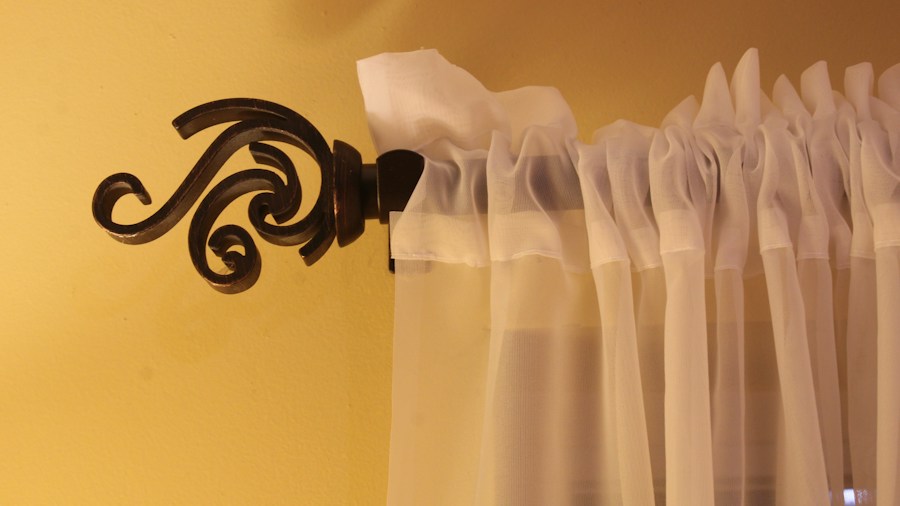
For standard-size windows, the basic two-bracket approach works beautifully. However, larger windows require a different strategy. You can extend your rod using multiple wooden dowels connected with headless dowel screws, then add a third bracket in the center for structural support. This allows you to create rods spanning ten feet or more while maintaining stability.
Aesthetic customization gives these DIY rods real personality. Paint the brackets and rod to match your wall color for a seamless look, or choose a complementary shade that pops. Trending decor styles now embrace natural wood finishes and eclectic hardware, making wood-stained brackets increasingly desirable. If you prefer a distressed aesthetic, paint the surfaces then strategically sand through the finish to reveal the wood beneath, adding white or gray accents for an aged appearance.
What This Means for Your Home Budget
The financial impact of choosing DIY is substantial. A typical store-bought curtain rod with quality brackets can cost one hundred fifty to four hundred dollars depending on materials and size. Your DIY version delivers comparable or superior quality for thirty to fifty dollars total. For homeowners furnishing multiple rooms, the cumulative savings reach hundreds or even thousands of dollars.
Beyond cost, this approach offers something mass-manufactured products cannot provide: complete creative control. Whether you’re coordinating with existing decor elements or starting fresh with a new room design, building your own rod ensures a perfect match for your space.
The DIY curtain rod trend demonstrates that taking a hands-on approach to home decor doesn’t require professional skills or specialized knowledge. With basic materials, simple tools, and an afternoon of your time, you can create custom window treatments that reflect your personal style while keeping your budget firmly under control. This practical solution continues to attract homeowners tired of inflated retail prices for products they can easily make themselves.








Write Your Review
No reviews yet. Be the first to share your experience!