

Two major technology companies have joined forces to reshape how commercial building owners approach climate control and automation. ABB, a global leader in building management systems, and Samsung, a household name in HVAC solutions, have announced an integrated partnership that brings together heating, ventilation, air conditioning, lighting, security, and energy monitoring into a single coordinated package. For building owners and investors weighing options, this development signals a significant shift toward streamlined, unified building systems.
The Problem This Partnership Solves
Historically, commercial building projects have relied on patchwork approaches. A property owner might contract with one company for HVAC, another for lighting control, a third for security systems, and yet another for energy monitoring. This fragmented model creates several headaches: increased costs due to multiple contracts and installation teams, extended project timelines as different vendors coordinate, mounting complexity during maintenance and troubleshooting, and poor visibility into how the building actually performs once it is operational.
The ABB and Samsung collaboration directly addresses these pain points by offering an all-in-one solution designed to reduce complexity and expense.
What the Combined Offering Includes
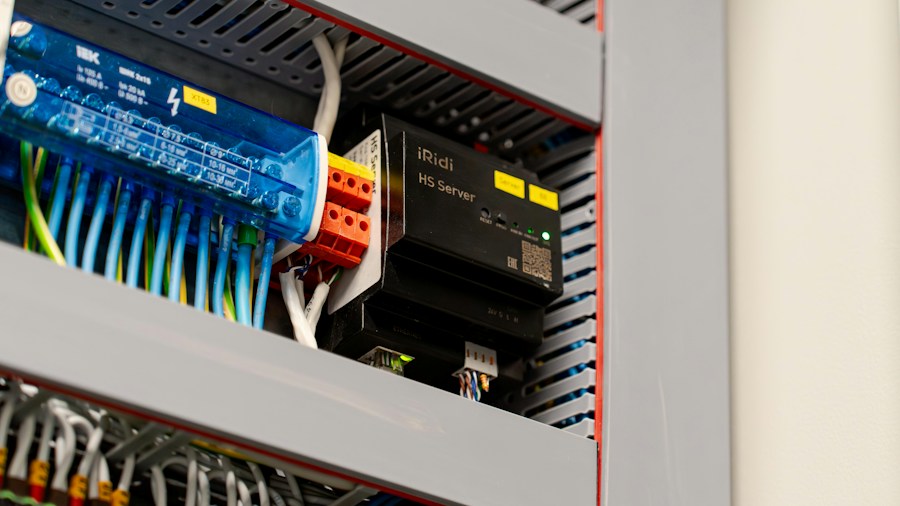
Under this partnership, trained system integrators can now design and install a comprehensive package covering everything from HVAC systems and climate management to lighting, window shading, access control, and real-time energy metering. Digital display systems are also integrated into the package, allowing building managers to monitor performance at a glance.
Rather than forcing a one-size-fits-all approach, each solution is customized based on the specific building’s requirements and the owner’s priorities. This flexibility is particularly valuable for diverse property types, from office parks to retail centers to industrial facilities.
Centralized Management and Data Visibility
Perhaps the most significant advantage for shoppers is the unified management platform. Customers can choose between ABB Ability BuildingPro or Samsung SmartThings Pro, depending on their specific needs and preferences. These two platforms are securely connected through cloud-to-cloud integration, which means data flows seamlessly between systems.
This connectivity provides building owners with enhanced visibility into energy performance, operational insights, and system health across all connected devices and sensors. Rather than juggling separate dashboards for HVAC, lighting, and security, property managers can monitor everything from one location. The integration also extends to ABB’s free@home automation system and InSite energy monitoring tools, along with the entire ABB KNX device portfolio.
A Growing Network of Trained Installers
The partnership isn’t just about hardware and software. ABB and Samsung are building a growing network of certified system integrators trained on both companies’ integrated solutions. These professionals understand how to design, install, and configure a complete packaged system from the ground up. This matters to shoppers because it simplifies the vendor selection process and reduces the risk of miscommunication or incompatibility between different trades.
Having one integrator who knows the entire system also streamlines warranty claims and ongoing support, as there is no finger-pointing between vendors when an issue arises.
What This Means for Building Owners and Investors
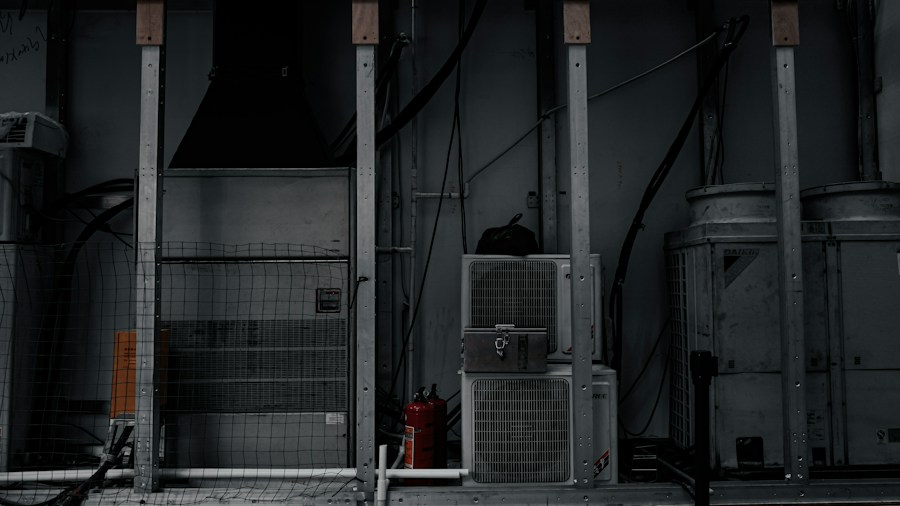
For anyone planning a commercial building project or retrofit, this development offers several concrete benefits. First, project planning becomes more straightforward when you are working with a single integrated solution rather than coordinating multiple vendors. Second, total cost of ownership typically drops due to simplified contracting, fewer installation teams, and reduced integration labor. Third, long-term operational efficiency improves because all systems are designed to work together from day one, rather than retrofitting solutions that were never meant to communicate.
Additionally, as building codes and energy regulations continue to tighten, having unified energy monitoring and control becomes increasingly valuable. Understanding HVAC standards and compliance requirements is critical for any major building project, and integrated systems make it easier to meet evolving mandates.
The Bigger Industry Picture
This partnership reflects a broader industry trend toward integrated smart building ecosystems. As commercial property owners seek to reduce energy consumption, improve occupant comfort, and simplify management, the appeal of unified platforms grows. The move also signals that major equipment manufacturers are recognizing that buyers increasingly prefer working with fewer vendors and managing fewer systems.
For consumers and building professionals evaluating HVAC and building automation options, the takeaway is clear: the market is moving toward consolidated solutions that promise better performance, lower costs, and simpler management. Those considering a new building project or major system upgrade should explore how integrated offerings like this partnership compare to traditional multi-vendor approaches. Ensuring your HVAC professionals hold proper credentials is equally important when evaluating any system installation.









Write Your Review
No reviews yet. Be the first to share your experience!