

Agave plants are becoming increasingly popular among homeowners looking to create striking, low-maintenance garden displays. These bold succulents offer dramatic visual appeal alongside practical benefits that make them attractive to budget-conscious gardeners and landscaping enthusiasts alike.
Why Agaves Are Gaining Popularity
The surge in agave plantings reflects a broader shift toward water-wise gardening. These plants thrive in hot, dry conditions and require minimal irrigation once established, making them ideal for regions facing water restrictions or for homeowners seeking to reduce maintenance demands. Their impressive architectural forms create natural focal points in any landscape, transforming ordinary yards into visually compelling outdoor spaces.
Agaves come in numerous varieties, each offering distinct characteristics. Larger selections can reach 4 to 6 feet in height and spread, providing both coverage and privacy in garden settings. Meanwhile, smaller cultivars work beautifully in containers and are easier to manage for urban gardeners or those with limited space.
Available Varieties and Where to Buy
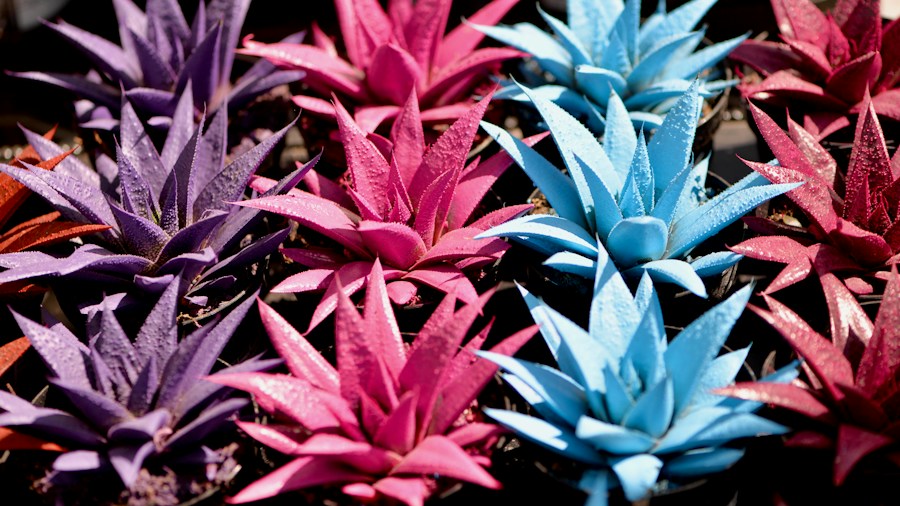
Retailers are expanding their agave selections to meet growing demand. Specialized nurseries and major retailers now stock multiple options ranging from premium landscape specimens to affordable compact varieties. Shoppers can find smaller agaves at major retailers like Walmart, while specialty online platforms offer rare and hybrid selections.
Color and pattern represent significant factors in agave selection. Some varieties display striking spotted patterns on blue-green foliage, while others showcase solid green and white combinations. Twin Flower Agaves attract buyers specifically for their masses of yellow blooms, adding seasonal color interest. For those wanting to make bold statements, colorful hybrid varieties provide unexpected visual drama that distinguishes them from typical landscape plants.
Practical Considerations for Buyers
Before purchasing agaves, shoppers should understand their hardiness requirements. Most agave varieties thrive in USDA zones 8 through 11, though this varies by specific cultivar. Those living in colder climates can still enjoy agaves by growing them in containers and relocating them indoors during winter months.
Protection strategies differ based on planting methods. Container-grown agaves can be moved to frost-free locations when temperatures drop. In-ground plantings benefit from frost cloth covering during winter months. A critical maintenance point: keeping the plant’s crown dry prevents rot and decay, which represent the most common causes of agave loss in colder regions.
Agaves work particularly well in garden designs that emphasize xeriscaping and drought-tolerant landscaping principles. They pair effectively with cacti, ornamental grasses, and other desert-adapted plants. These combinations create cohesive landscapes that require substantially less water than traditional gardens, appealing to environmentally conscious homeowners.
Design Applications
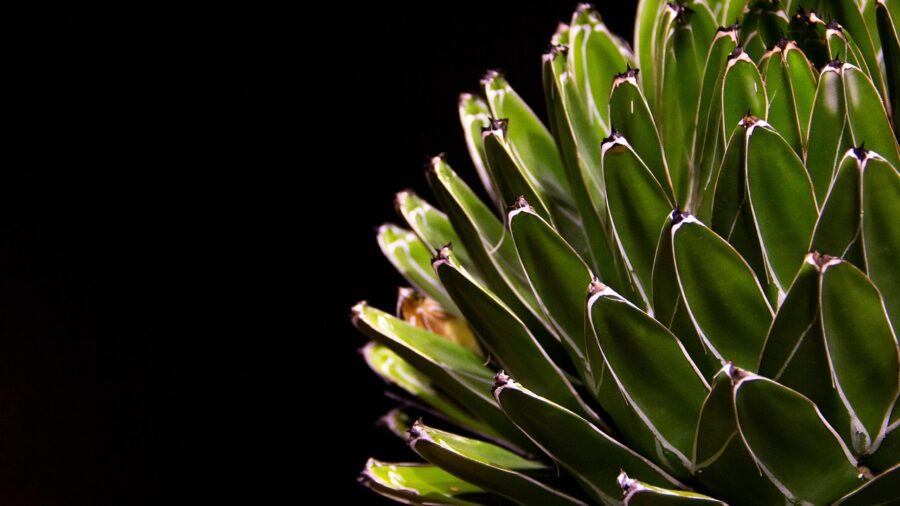
Agaves function effectively in multiple landscape scenarios. Gravel gardens showcase their sculptural forms beautifully, while patio plantings bring drama to hardscape areas. Smaller varieties transition seamlessly into container displays on decks and patios. For those pursuing seasonal garden transitions, agaves provide year-round structure and visual interest that complements changing seasonal plantings.
Sweeping borders filled with drought-tolerant agaves and companion plants create low-maintenance outdoor spaces that maintain visual appeal throughout the growing season. Some smaller cultivars even function successfully as houseplants, offering flexibility for indoor gardeners.
Shopping Smart for Agaves
When purchasing agaves, buyers should consider their climate zone, available space, and desired aesthetic impact. Larger varieties work best for creating substantial focal points and establishing privacy screens, while compact types suit container cultivation and smaller yards. Color preferences should guide selections, as colorful varieties add unexpected personality to conventional landscapes.
Prices vary significantly based on variety, size, and retailer. Premium specimens from specialty growers command higher prices, while standard green varieties typically cost less. Comparing options across online retailers and local nurseries often yields better values.
For those new to agave cultivation, researching overwintering strategies before purchasing proves essential. Understanding specific requirements for your hardiness zone prevents costly losses. Many retailers provide care guides, and numerous online resources detail variety-specific needs.
Agaves represent a practical solution for homeowners balancing aesthetic aspirations with practical maintenance and water conservation concerns. Their increasing availability at multiple price points and retailers makes them more accessible than ever, particularly for gardeners seeking dramatic impact without demanding care requirements.











Write Your Review
No reviews yet. Be the first to share your experience!