

When outdoor furniture breaks, most buyers face an unhappy choice: repair what cannot be fixed affordably, or replace the entire piece. A new modular patio chair from Swiss manufacturer Embru is challenging that throwaway pattern by making individual components swappable without replacing the frame.
The Problem With Traditional Furniture
Furniture damage often targets one weak point. A lounge chair’s seat degrades from sun exposure and use. The backrest develops cracks. Rather than swap out just the damaged component, consumers typically discard the whole object. This creates waste and drives unnecessary replacement costs that accumulate over years of ownership.
Designer Moritz Schmid and Embru have engineered a response. The new Patio Chair uses a specially developed mounting system that allows different seating surfaces to attach and detach from the underlying frame structure. If your seat wears out, you replace only the seat. The frame remains in service indefinitely.
How the Design Works
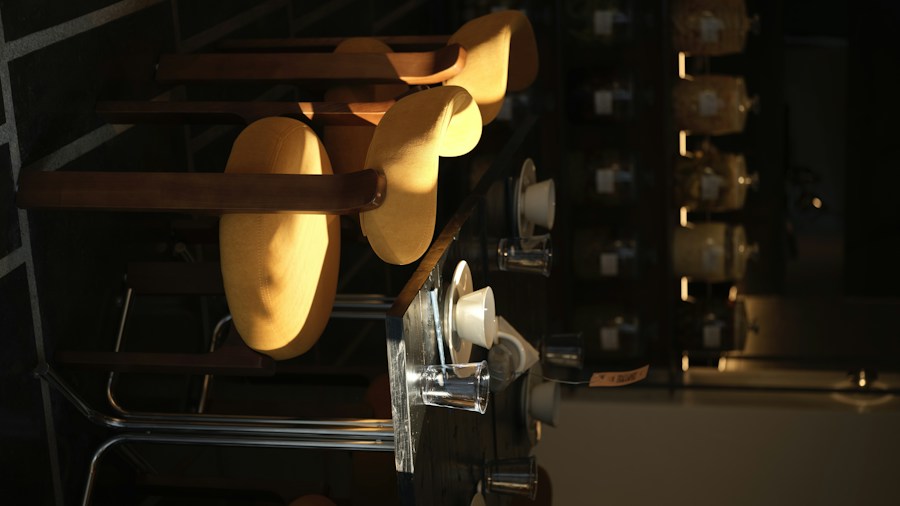
The chair’s visual honesty reinforces its practical advantage. Rather than hiding connection points, Embru’s design showcases them. A circular metal fitting marks where the backrest meets the frame, making the assembly logic visible at first glance. This transparent approach to construction gives the repairability promise credibility before any engineering explanation becomes necessary.
Two distinct versions address different spaces. An outdoor grid model uses an open wire design that maintains sightlines and creates visual lightness. An indoor wood-veneer option substitutes solid panels in oak, ash, black ash, or walnut. The grid version appears at home on a patio, while the wooden panels suit living room interiors where you want seating that feels intentional rather than borrowed from outside.
Color and finish options include wine red, gray-blue, black, and silver hot-dip galvanizing on the metal versions. The visual approach matters here: the designer’s previous work with Embru, including the curved-leg Park Chair, shows a consistent conversation between designer intent and what the factory can actually manufacture. This context prevents the new chair from feeling like a styling exercise disconnected from real production.
What This Means for Buyers
Modular furniture addresses a frustration that extends beyond patio pieces. When you invest in a chair you genuinely like, losing it because one component fails feels wasteful. Understanding key furniture standards before purchase helps you recognize construction quality, and replaceable-part design represents one meaningful measure of durability.
The practical benefit only materializes if replacement parts stay accessible and reasonably priced. The source materials do not confirm current pricing, availability dates, or how replacement components will be ordered. Availability is planned for late 2026, but US distribution remains unconfirmed. These details matter enormously. A frame designed to accept new seats means little if finding and buying replacement seats becomes a lengthy or expensive process.
Questions Before Buying
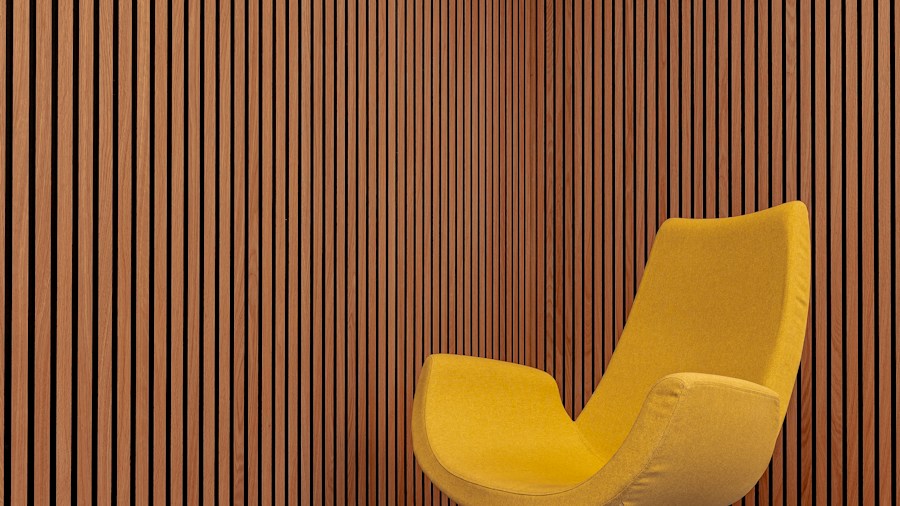
Comfort remains unresolved. Photographs establish the chair’s shape and construction logic, but sitting in it for an extended period tells a different story. A lounge chair must support relaxation, not just look thoughtfully engineered. The wire-grid version, in particular, requires real-world testing to determine whether the seating surface feels pleasant after an hour with a book or magazine.
Before this design becomes a practical ownership benefit rather than a nice theoretical feature, several answers must arrive. Will Embru maintain parts availability over decades? Will replacement costs stay reasonable enough to justify the upgrade path? Does the grid version actually feel comfortable, or does its industrial geometry come at a comfort cost?
Furniture longevity typically develops through years of actual use, not marketing language applied before anyone has owned it long-term. Creative furniture projects show that buyers increasingly value durability and customization, suggesting market interest in pieces designed to last and evolve rather than be discarded.
The Bigger Picture
The Patio Chair represents a shift in how some manufacturers approach product design. Rather than accepting that furniture components fail as part of a normal product cycle, modular design treats failure as a solvable engineering problem. This philosophy suits buyers who want the option to maintain and repair pieces they like, rather than defaulting to replacement.
The real test arrives after people live with these chairs for several years. If replacement parts remain easy to obtain and reasonably priced, and if the seat surface proves genuinely comfortable, the design’s appeal will become obvious through ownership rather than photographs. Until then, the premise earns attention, but the follow-through determines whether this becomes a genuine advance in sustainable furniture or an interesting concept that doesn’t quite deliver.











Write Your Review
No reviews yet. Be the first to share your experience!