

When most gardeners think about landscape appeal, their minds immediately turn to spring and summer blooms. Yet autumn offers an equally spectacular opportunity to elevate your garden’s visual impact. A carefully chosen selection of plants actually reaches peak beauty once temperatures drop, revealing foliage, seedheads, berries, and late-season blooms that rival any spring display.
Understanding which plants transform during fall will help you make smarter purchasing decisions and create a landscape that captivates from September through November and beyond.
Why Fall Plants Deserve a Place in Your Garden
The appeal of autumn plantings goes beyond nostalgia. As late summer garden changes take hold, many traditional perennials begin to fade. However, certain species actually come alive during cooler months, offering rich color palettes, textural contrast, and structural interest that can transform an aging landscape. Professional landscape designers consistently recommend incorporating these specimens specifically for multi-season appeal and year-round visual interest.
Must-Have Fall-Blooming Plants
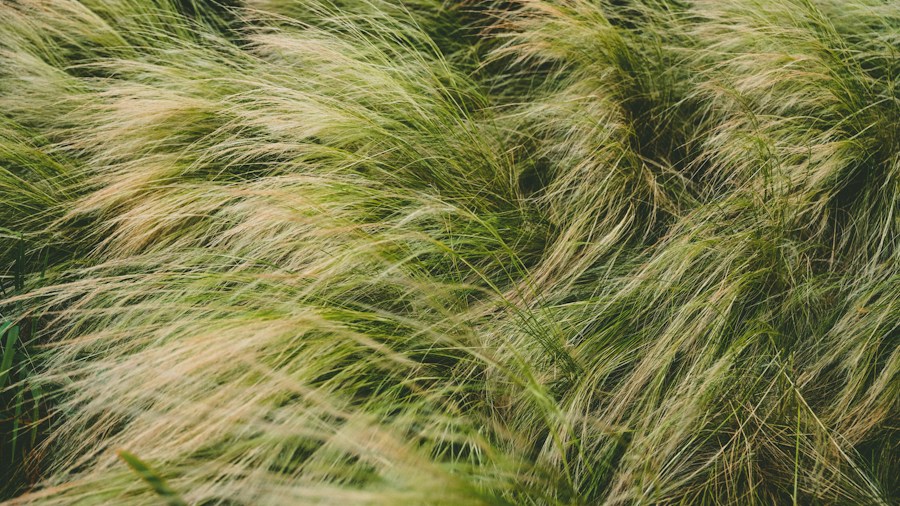
Arkansas Bluestar ranks among the most striking performers. This perennial produces modest pale-blue flowers in spring but undergoes a dramatic transformation by autumn. Its feathery, fine-textured foliage shifts from green to golden yellow, with hints of orange and red throughout the canopy. When planted in groups, these plants create an almost cloud-like mass of color that contrasts beautifully with heavier late-season perennials. Arkansas bluestar thrives in full sun to partial shade and grows well in zones 5 through 8.
Ornamental grasses deserve special attention for autumn interest. Korean feather reed grass develops billowing, bottlebrush-like plumes that mature into soft silvery-tan tones as the season progresses. The low autumn sun illuminates these textures, creating a glowing effect in the garden. Unlike more upright varieties, this species spreads wide and offers gentle movement. It performs well in zones 4 through 9 and requires minimal maintenance once established.
Pink Muhly grass presents another grass option with striking late-season appeal. During summer, it appears unremarkable with thin green blades, but by fall it erupts with soft billowing clouds of pink plumes. These delicate puffs create beautiful contrast against structured elements and straight-lined plantings. Hardy in zones 6 through 10, this species thrives in well-drained soil with full sun exposure.
Berries and Shrubs for Extended Color
Shrubs offering berries extend seasonal interest well into winter, particularly when foliage drops. Red chokeberry (a native North American species) displays delicate white flowers in spring, but the real performance begins in fall. Its foliage turns brilliant red while the branches become laden with glossy red berries that persist into winter. This creates double visual impact and provides essential food sources for songbirds. The plant prefers moist soil and can reach 5 to 10 feet tall.
Beautyberry offers something different: mauve-magenta fruits with an iridescent, almost metallic sheen. These clustered berries glow against the plant’s understated summer foliage, creating what designers call jewel-like texture in the autumn landscape. This shrub grows 3 to 6 feet tall and thrives in zones 7 through 11.
Highbush cranberry, despite its common name, is actually a native viburnum with maple-like leaves that turn stunning shades of red, burgundy, and orange. Bright red berry clusters remain on branches even after leaves fall, sustaining birds through colder months. It performs best in zones 2 through 8 with moist, well-drained soil and grows 8 to 10 feet tall.
Textural Additions Worth Considering
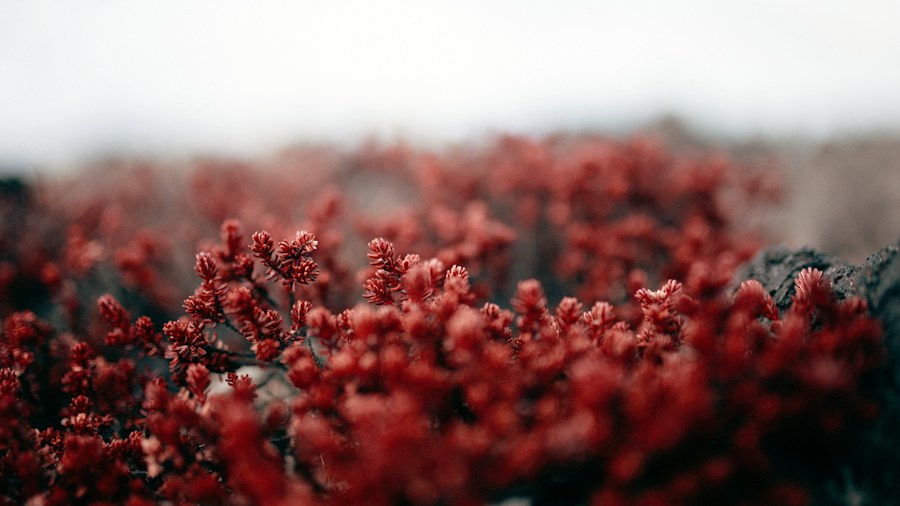
Once petals drop, coneflower seedheads create striking architectural forms. These sturdy domes with hard-edged bristles add significant textural contrast to softer plantings and remain ornamental throughout winter. Many gardeners intentionally leave seedheads unpruned specifically for this multi-seasonal appeal.
Ornamental cabbages and kale bring unexpected color and unique texture to fall borders and containers. Their soft yet sturdy, waxy leaves create rounded growth habits that stand apart from typical perennials. These cold-tolerant specimens intensify in color as temperatures drop, and sometimes persist through winter into early spring. Available in vibrant pink-and-green combinations, they provide instant seasonal impact.
Cushion spurge deserves recognition as a four-season performer. Its spring display of yellow bracts gives way to foliage that develops beautiful reds, oranges, and purples come autumn. This low-maintenance, drought-tolerant perennial maintains compact, mounded form that provides lovely structure. Be aware that its milky sap irritates skin, so gloves are essential when pruning.
Smart Shopping Considerations
Before making purchases, evaluate your garden’s conditions. Do you have full sun or partial shade? Is your soil moist or well-drained? Consider whether you prefer bold color statements or subtle textural interest. Ensure garden drainage functions properly before winter arrives to support plant health during dormant months.
Budget for plants that offer multiple seasons of interest rather than single-season performers. This approach maximizes visual impact and reduces the need for future replacements. Group plants with complementary textures and colors together, considering how they appear as a composition rather than individually.
Fall remains an ideal planting window in many regions, and these specimens reward early selection with established root systems by the time peak season arrives. With the right choices, your autumn garden can rival spring’s splendor.











Write Your Review
No reviews yet. Be the first to share your experience!