

When shopping for a new sofa, durability ranks among the most critical factors to consider. While fabric couches offer comfort and style, they often fall short in longevity compared to other upholstery options. For households without pets, leather presents a compelling alternative that can transform your living room investment into a piece that lasts for decades.
Why Leather Stands Out for Durability
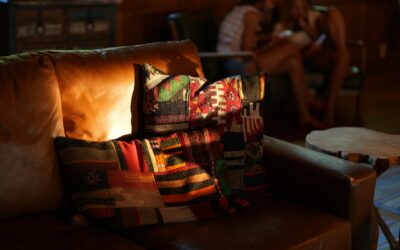
A high-quality leather sofa can last up to 30 years with proper care, making it a significantly longer-lasting choice than many fabric alternatives. This exceptional lifespan stems from leather’s natural resilience and ability to withstand daily wear and tear without degrading quickly. Unlike fabric, which tends to show stains, tears, and discoloration over time, leather develops character as it ages, actually becoming more visually appealing with use.
The maintenance advantage of leather cannot be overstated. The smooth surface wipes clean easily, preventing dirt, dust, and debris from embedding themselves into the material. Leather’s porous nature also means it breathes naturally, maintaining consistent comfort whether your home is hot or cold throughout the seasons. These practical benefits make it an excellent option for those seeking both aesthetics and functionality in a statement piece.
The Pet Problem: A Major Consideration
Despite its numerous advantages, leather upholstery has one significant weakness: pets. Cats and dogs prone to scratching or climbing can easily damage the surface, leaving permanent marks that compromise both appearance and value. Leather’s smooth texture also makes it slippery for pets, which can create discomfort and safety concerns when animals try to navigate on and off the furniture.
That said, leather does offer some pet-related benefits. Hair removal is simpler compared to fabric, and pet dander or debris cannot become trapped in the material. However, these advantages rarely outweigh the risk of cosmetic damage. While protective blankets can provide some coverage, they essentially defeat the purpose of investing in expensive leather upholstery.
Selecting the Right Grade of Leather
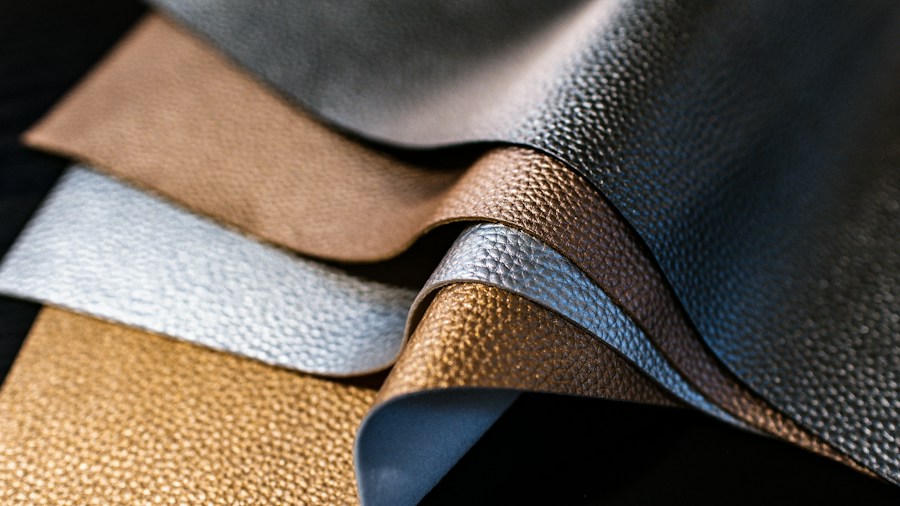
Not all leather is created equal, and understanding the differences is essential for maximizing your sofa’s lifespan. The leather market includes four primary categories: full grain, top grain, genuine, and bonded. If longevity is your primary goal, the latter two should be avoided.
Genuine leather, despite its appealing name, combines real leather with synthetic materials and offers durability closer to fabric than premium leather grades. Bonded leather follows a similar formula, mixing leather scraps with artificial compounds. Neither option delivers the extended lifespan that justifies a significant investment.
Full grain leather represents the highest quality available, featuring minimal processing and maximum natural material retention. It undergoes only essential tanning without any artificial blending, allowing distinctive patina to develop as it ages. This grade typically lasts 20 to 30 years, providing genuine value over time.
Top grain ranks just below full grain, featuring light sanding to remove imperfections but retaining superior quality compared to genuine or bonded options. While slightly weaker than full grain, top grain still delivers a lifespan of 20 to 30 years, making it an excellent choice for those seeking durability without the highest price tag. When budgeting for your sofa purchase, understanding these distinctions helps ensure your money translates into years of reliable furniture.
Making Your Decision
For pet-free households, investing in quality leather can eliminate the need for frequent replacements, ultimately saving money despite higher upfront costs. The choice between fabric and leather ultimately depends on your lifestyle, aesthetic preferences, and household composition.
If you have pets, carefully weigh the cosmetic damage risk against maintenance advantages. Many households find that protective measures only partially mitigate scratching concerns. However, for those without furry family members, leather sofas represent a practical solution that combines visual appeal with functional longevity. By selecting full or top grain leather, you invest in a sofa that will serve your home beautifully for decades, aging gracefully while maintaining both comfort and style.







Write Your Review
No reviews yet. Be the first to share your experience!