

A new tiny home design out of Australia is redefining what’s possible in confined spaces by treating seating as far more than just a place to sit. The Wildscape, a 28-foot tiny home built by Tiny Tect Tiny Houses, demonstrates how creative seating solutions can simultaneously serve as storage, staircases, and functional furniture all in one integrated unit. For shoppers evaluating office seating and home furnishings, this development reveals important trends about how modern designers are maximizing utility in compact environments.
How Seating Became a Structural Design Element
The Wildscape’s most striking feature is its terraced timber seating platform that rises from the living room floor toward an upper loft. Rather than placing isolated chairs and sofas throughout the space, the designer integrated stepped seating directly into the architecture. Hinged seat lids open to reveal storage compartments, eliminating the need for separate storage furniture. This approach combines three functions, lounging, stair access, and storage, into a single structural element that saves valuable square footage.
The stepped seating platform faces a large glazed window wall, which serves a critical purpose beyond aesthetics. The outward view prevents the tiered seating from feeling like a claustrophobic stack of boxes. For buyers considering seating for tight quarters, this principle matters: sight lines and natural light can make multifunctional furniture feel open rather than cramped.
What This Means for Home Office and Compact Living Shoppers
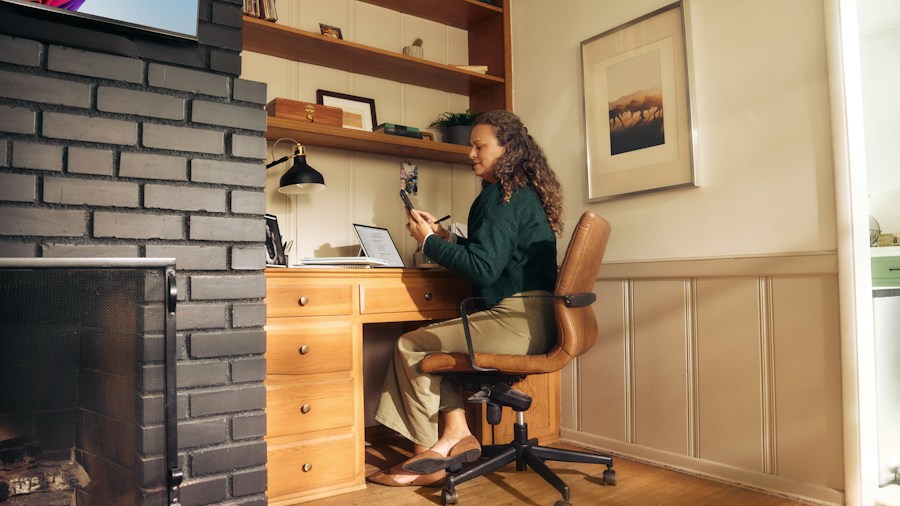
The Wildscape’s design philosophy directly challenges conventional approaches to furnishing small spaces. Instead of purchasing separate pieces for every function, shoppers are increasingly drawn to integrated furniture systems that consolidate roles. While not every buyer needs a towering timber seating installation, the underlying principle applies to office environments where space is at a premium.
Consider how ergonomic office chairs now offer customizable features that adapt seating to different work styles and body types. Similarly, the Wildscape demonstrates that seating should earn its place through multiple capabilities rather than serving just a single purpose. Office shoppers evaluating ergonomic chair options should ask whether their investment includes features like built-in lumbar support, adjustable height, and durable construction that will serve their needs for years.
The Flexibility Factor and Customization
Tiny Tect offers Wildscape in multiple configurations, recognizing that one-size-fits-all doesn’t work in design. Buyers can choose between the original terraced lounge layout or a second version with wider seating platforms. They can also select whether to purchase just the structural shell or a fully fitted interior with appliances and custom furniture.
This customization model reflects a broader shift in how consumers shop for seating and furniture. Rather than picking items from a showroom floor, buyers increasingly want options to tailor their purchases. The showcase model demonstrates what optimal configuration looks like, but the starting price of $71,500 doesn’t include all the custom elements that make the design compelling. The final cost depends entirely on which seating and storage features the buyer selects.
Multi-Level Living and Active Seating
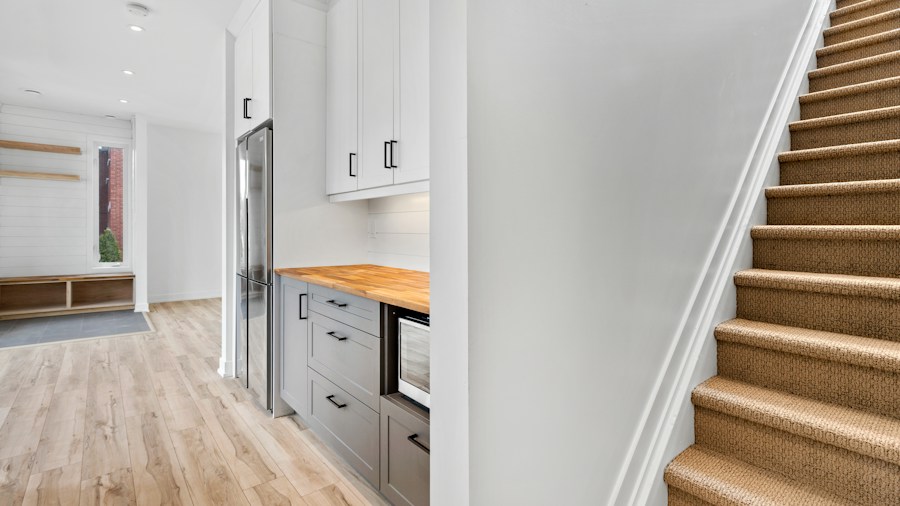
The Wildscape’s layout requires occupants to actively climb and move between levels throughout the day. This approach isn’t for everyone. Potential buyers must honestly evaluate whether they prefer traditional flat floors and conventional furniture arrangements. However, for those who embrace vertical space utilization, the benefits are significant: more usable square footage, creative storage solutions, and seating that becomes a design focal point rather than an afterthought.
The upper portion of the home features both a sleeping loft and a dedicated study area, along with a suspended net that extends usable workspace without blocking visual connection to the kitchen below. This stacking of functions demonstrates that seating and work areas don’t need to consume their own dedicated rooms in tiny homes. Office seating innovations continue to push boundaries on form and function, and the Wildscape shows how residential design is catching up with these ideas.
Practical Takeaways for Office and Home Shoppers
The Wildscape’s success relies on treating seating as a strategic investment rather than a commodity purchase. Buyers evaluating seating for offices or compact homes should ask several key questions: Does the seating offer multiple functions? Will it serve the space efficiently without overwhelming it visually? Does it provide adequate comfort for the intended use? Can you customize it to match your actual needs rather than settling for standard specifications?
The tiny home trend continues to influence mainstream furniture design, pushing manufacturers and designers to innovate around space constraints. Whether you’re furnishing a full home office or a studio apartment, the Wildscape’s approach suggests that thoughtful seating design should consider the entire room context, not just provide a place to sit.






Write Your Review
No reviews yet. Be the first to share your experience!