

A mid-century furniture innovation is drawing renewed attention from buyers seeking smarter seating solutions for compact living spaces. The Scissor Chair, produced by the German manufacturer Wilhelm Knoll during the 1950s, features a hidden mechanical system that transforms its position from an upright conversation seat into a relaxed lounging chair without changing its overall appearance or footprint.
The appeal lies in solving a common interior design challenge: most people want at least two different types of seating to match different activities and moods. An upright chair suits conversation and work, while a lower, reclined position works better for reading or relaxing in the evening. Traditionally, this required purchasing two separate pieces of furniture. The Scissor Chair offers a compromise by doing both jobs with a single elegant design.
How the Transformation Works
The mechanism is deceptively simple from the user’s perspective. Lifting the armrests triggers a chain reaction in the crossed wooden legs underneath the seat. These supports unfold outward, lowering the entire chair while also tilting it back slightly. The seat height drops approximately three and a half inches between positions, enough to create noticeably different sitting arrangements without the chair looking dramatically different to someone entering the room.
Unlike many modern reclining chairs that rely on a backrest mechanism, this design actually changes the stance of the chair itself. The wooden legs are not merely decorative elements but active participants in the adjustment process. This approach keeps the upper surfaces clean and visually simple while housing the actual mechanical work beneath upholstered surfaces where it remains hidden from view.
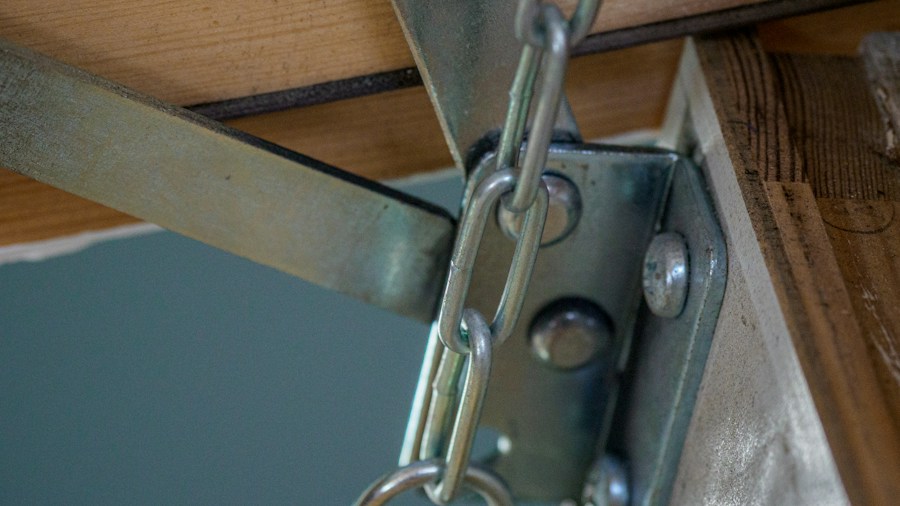
Underneath, the system involves pivoting metal links, brackets, and a coil spring working in concert to create the transformation. From a design perspective, this separation of mechanics from appearance is elegant. The chair doesn’t need to look like workshop equipment in order to contain sophisticated moving parts. The cream-colored upholstered examples shown in vintage photographs demonstrate how minimal the visual fuss actually is when adjusted.
What This Means for Today’s Shoppers
For anyone considering furniture purchases, the Scissor Chair illustrates an important principle: small space furniture choices should prioritize flexibility and multi-purpose design over traditional single-function pieces. Modern buyers face similar space constraints that drove this design’s creation decades ago.
The practical benefit isn’t about miraculously recovering square footage in a small room. A chair that changes posture still requires adequate clearance around it to function properly in both positions. Rather, the real value is having one seat that can genuinely suit different needs throughout the day. You get a composed, upright seating arrangement for daytime use and conversation, then the option to shift into a more reclined, relaxed posture when unwinding alone.
This concept remains relevant as consumers increasingly seek multifunctional furniture. Whether you’re furnishing a studio apartment, a guest room, or a living room where space is at a premium, choosing furniture that serves multiple purposes helps create a more adaptable interior environment. The Scissor Chair demonstrates that such adaptability doesn’t require bulky mechanisms or industrial appearances.
Authenticity and Purchasing Considerations
Vintage examples of this design are occasionally available through specialty furniture dealers. The manufacturer distinction matters: Wilhelm Knoll was a German company with roots dating back to an 1865 leather shop in Stuttgart, separate from the American Hans Knoll company founded in 1938, despite some shared family history. Knowing the correct manufacturer credit ensures you’re buying an authentic piece and understanding its actual production timeline.
If you’re considering purchasing a vintage Scissor Chair, expect to have the mechanism demonstrated and its condition thoroughly checked before completing the transaction. The smooth operation of the adjustment system, the integrity of the springs and metal links, and the overall structural support all deserve inspection. Ask how the piece feels after extended sitting in both positions, since photographs alone cannot convey comfort or long-term usability.
The appeal of this design ultimately rests on its specificity: lift the armrests, alter the stance, settle into a different position. It’s not an elaborate transformation searching for a purpose. Instead, it solves an actual furniture problem that many households face. furniture trends increasingly favor pieces that combine thoughtful design with genuine functionality over pure aesthetic novelty. The Scissor Chair remains a compelling example of intelligent design that deserves more attention from shoppers seeking quality seating solutions.












Write Your Review
No reviews yet. Be the first to share your experience!