

A Surprising New Trend in Home Furniture Design
The furniture market is witnessing a notable shift as budget-conscious homeowners and renters discover an unconventional solution for affordable, customizable media storage. Rather than purchasing expensive flat-pack units or pre-built stands that cost $100 to $500 or more, a growing number of consumers are turning to a simple do-it-yourself approach using materials most hardware stores keep in stock. This trend reveals an important truth about modern furniture shopping: sometimes the most practical solutions come from thinking outside the traditional retail box.
The Basic DIY Concrete Block TV Stand Concept

The core idea is straightforward and accessible to anyone regardless of skill level. The project requires just eight concrete blocks and four wooden planks, making it one of the lowest-barrier furniture builds available today. TikToker Adrian Vazquez of Adrianvvlogs recently documented this construction method, completing the entire assembly in minimal time. His materials cost approximately $80, a significant savings compared to ready-made alternatives. The construction process involves stacking the concrete blocks to create supports, then threading or resting wooden planks through and on top of the blocks to form shelving surfaces.
What makes this approach particularly appealing to shoppers is that both materials are readily available, inexpensive, and durable. Unlike traditional furniture components, concrete blocks are industrial-grade products designed to withstand substantial wear and tear. Wood planks can be selected based on your aesthetic preferences and budget constraints. If you’re interested in sustainable building practices, you might also explore smart tips for choosing reclaimed furniture, which can add environmental value to your project.
Customization and Design Flexibility
One major advantage this DIY furniture option offers over commercial stands is the level of personalization available. Concrete blocks can be left in their natural gray finish or painted in virtually any color that matches your existing décor. Water-based wood stains applied to the planks provide additional design flexibility without requiring extensive woodworking knowledge. This customization potential means you can create a piece that truly reflects your style preferences rather than being limited to mass-produced options.
The modular nature of the design also allows for easy size adjustments. Want a taller stand? Simply add more concrete blocks to each stack. Need additional length? Use longer planks and increase the number of block stacks. This scalability means the basic concept can be adapted to fit virtually any space or storage need. Budget furniture wins in celebrity kitchens often demonstrate this same principle of affordable adaptability that appeals to conscious consumers.
What Shoppers Should Understand About Weight Limits and Safety
Before committing to this project, it’s important to understand realistic expectations regarding weight capacity and stability. This DIY furniture piece differs significantly from engineered commercial TV stands that undergo rigorous testing and come with specified weight limits. The wooden planks in this design simply rest on or pass through the concrete block holes without permanent fastening. This means the stand works best for displaying lightweight decorative items, media equipment, framed photos, books, and small plants rather than supporting heavy appliances or large televisions.
The lack of permanent anchoring between components is actually a feature for some users who value flexibility, but it’s a consideration that demands responsible use. Avoid placing anything on the stand that could be damaged if the structure shifts slightly. Many shoppers appreciate that this transparency about limitations actually reflects a departure from misleading marketing claims often found in budget furniture sectors.
Assembly and Maintenance Expectations
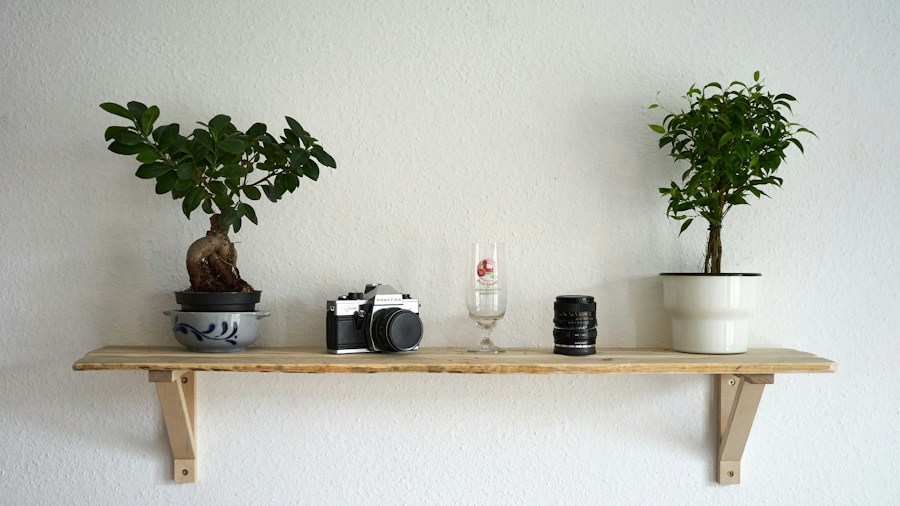
The assembly process requires no specialized tools or technical expertise. After clearing your designated space, you arrange the concrete blocks, insert or place the wooden planks, and you’re finished. There’s no complicated hardware, no obscure instructions, and no mystery components left over after assembly. This simplicity particularly appeals to apartment dwellers and people who move frequently, since disassembly is equally straightforward.
Maintenance is similarly minimal. Concrete blocks require occasional dusting or light cleaning. Depending on your chosen finish, wood care might involve nothing more than occasional wiping or periodic resealing if you’ve applied stain. This low-maintenance characteristic represents excellent value for shoppers tired of furniture that demands special care or deteriorates quickly.
The Broader Implications for Furniture Shopping
This trend signals that consumers are increasingly willing to challenge conventional shopping habits when it comes to home furniture. The combination of cost savings, customization options, durability, and assembly simplicity presents a compelling alternative to traditional retail furniture. As more people discover DIY possibilities, the furniture industry may respond by offering more modular components and transparent information about construction methods.
For shoppers evaluating their furniture options, this concrete block concept demonstrates that sometimes unconventional approaches deliver superior value without sacrificing style or functionality.









Write Your Review
No reviews yet. Be the first to share your experience!