

As temperatures drop and homes seal up for the cooler months ahead, dust mite populations in mattresses are reaching their peak. Allergy experts are warning consumers about a seasonal surge that occurs when indoor humidity traps in warm spaces, creating ideal breeding conditions for these microscopic pests. Understanding what’s happening and how to respond can make a significant difference in your sleep quality and health.
Why Fall Brings a Dust Mite Explosion
Dust mites thrive in warm, humid environments, and autumn creates the perfect storm for their proliferation. As outdoor temperatures drop and homeowners close windows and turn on heating systems, indoor air becomes warm and humid. This combination, particularly in northern and midwestern states, creates an optimal breeding environment just as the mite population from summer growth reaches its peak. Additionally, when mites eventually die off as seasons change, they release massive amounts of allergenic fecal particles into the air, worsening symptoms for allergy sufferers.
According to allergy experts, the problem is especially pronounced because people spend significant time indoors during this season with windows sealed shut, intensifying exposure to these allergens. Dust mites produce digestive enzymes in their waste that trigger chronic allergic rhinitis, conjunctivitis, and can exacerbate asthma symptoms. The reality is that when you’re sneezing and congested at night, you’re actually reacting to dust mite feces.
The Two-Inch Mattress Cleaning Rule
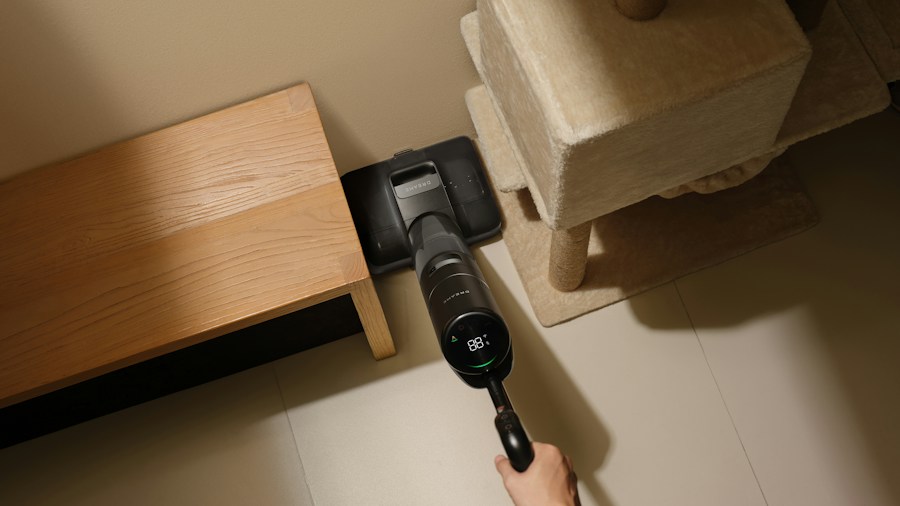
The most effective non-chemical approach to reducing dust mite allergens involves a straightforward technique called the two-inch mattress rule. This method uses your household vacuum to extract embedded dust and skin cells that have become compacted into your mattress layers, removing the primary food source that attracts dust mites.
To execute this properly, you’ll need a vacuum equipped with a sealed HEPA filter. Standard vacuums without proper filtration can actually disperse allergens back into your bedroom air. Once you’ve confirmed your vacuum meets this requirement, remove all bedding and open a window for ventilation. Many people find it helpful to sprinkle baking soda across the mattress surface and allow it to sit for 30 to 60 minutes to absorb moisture and odors.
The actual cleaning process requires using your vacuum’s upholstery or brush attachment. Press your hand into the mattress surface to compress it about two inches, then place the vacuum nozzle into the indentation and move in slow, overlapping circles or horizontal lines across the entire bed. This compression creates a temporary seal that allows you to draw out deeply embedded dust and debris. The process takes approximately 20 to 30 minutes for a queen-size mattress and should be performed twice yearly as part of your regular maintenance routine.
Additional Steps to Reduce Allergen Load
Beyond the vacuuming technique, multiple strategies can help minimize dust mite populations. Washing all bedding weekly at temperatures of 140 degrees Fahrenheit or higher kills active mites and removes allergens. Check fabric care labels first to ensure materials can withstand hot water without damage.
Investing in mattress protectors and allergen-proof encasements creates a physical barrier between you and the mattress, preventing skin cells from embedding into the mattress and blocking allergen access. Look for products specifically endorsed by allergy organizations for the best protection. Additionally, maintaining indoor humidity below 50 percent through dehumidifiers and proper ventilation discourages mite survival.
Long-Term Mattress Care Benefits
Regular deep cleaning using these methods offers three major advantages. First, you’ll experience reduced allergy symptoms and morning congestion. Second, your sleep surface becomes noticeably fresher and more inviting. Third, and often overlooked, proper maintenance extends your mattress lifespan, helping you maximize your investment over the typical 7 to 10 year replacement window.
While eliminating dust mites entirely is impossible since they’re virtually everywhere humans live, reducing their food sources significantly cuts down their populations. The two-inch rule is particularly effective because it targets both the mites themselves and their allergenic waste products, addressing the root cause of seasonal allergy flares.
For those with dust mite allergies, taking these preventive steps before peak season arrives can mean the difference between comfortable sleep and nights spent battling congestion and sneezing. As temperatures continue dropping, protecting your mattress now ensures better rest throughout the coming months.












Write Your Review
No reviews yet. Be the first to share your experience!