

Why Lumber Mills Paint Board Ends
When you’re selecting boards at a hardware store or lumber yard, you’ve likely noticed that some pieces have colored paint on their ends. This practice isn’t decorative or random. Lumber mills apply these coatings to freshly cut wood for a very practical reason: moisture control during the drying process.
The exposed end grain of a freshly sawn board dries much faster than the sides. This uneven drying creates internal stress that can lead to cracks, splits, and checks as the wood shrinks. By painting the ends, mills slow down moisture loss specifically at those vulnerable areas, allowing the entire board to dry more evenly. According to research from the U.S. Department of Agriculture Forest Products Laboratory, end coatings help prevent these drying defects that would otherwise reduce the value and usability of the lumber.
It’s important to understand that the paint doesn’t stop the wood from drying entirely. Instead, it acts as a barrier that delays moisture escape, giving the rest of the board time to reach equilibrium. This approach has been used for decades because it’s cost-effective and significantly reduces waste in the milling process.
Paint Colors Don’t Follow a National Standard
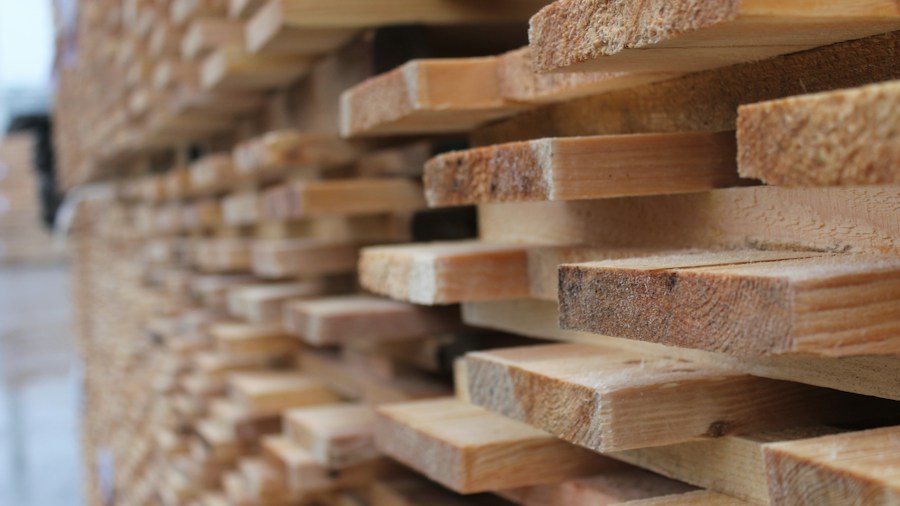
Here’s where confusion sets in for shoppers: there is no official U.S. color code system for lumber end paints. Blue doesn’t universally mean one length, and red or green don’t automatically indicate a specific grade or species. Instead, individual mills, lumber yards, and lumber producers can choose their own colors for their own purposes.
A painted end might serve as a drying aid, an identification marker, or an internal code known only to that specific supplier. The same color can mean different things at different locations. For example, if you ask five lumber yards what blue-painted ends mean, you might get five different answers depending on their internal labeling systems.
Paint manufacturers like those supplying major chains offer multiple color options, which further contributes to the lack of standardization. Some companies use specific colors to mark their own product lines rather than following any industry-wide convention. Quality home improvement retailers often establish their own sourcing practices to ensure consistent products for customers.
What the Paint Can and Cannot Tell You
The color of the end paint can identify the product line, brand, or mill, but the paint alone doesn’t reliably indicate dimensions, grade, or wood species. Some lumber companies do use colors as a simple identification system. Dunn Lumber, for instance, applies distinctive blue paint to the ends of their signature framing studs, which tells customers they’re buying that company’s specific product line rather than indicating anything universal about all blue-painted lumber.
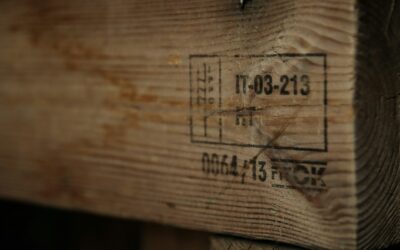
This is why you shouldn’t rely on paint color as your primary way to verify what you’re buying. Instead, check the actual stamp printed on the board itself. This official marking contains the mill number, grade, species, moisture content, and other critical information that the paint never conveys. The stamp is your reliable guide; the paint is merely a visual reference that means something specific only to that supplier.
What Shoppers Should Check Before Checkout
When shopping for lumber, use paint colors as one visual clue, but don’t depend on them as proof of what you’re purchasing. Instead, examine several factors: look for the official grade stamp to verify the board’s classification and quality, examine the board’s straightness by sighting down its length, inspect it for knots, checks, or other defects that might affect your project, and confirm the dimensions match your needs.
If you’re unsure what a paint color means at a particular store, ask an employee. They can explain their specific system and help ensure you’re selecting the right product. Understanding product marking systems helps you make informed choices whether you’re shopping for materials or tools.
The bottom line: painted lumber ends serve a legitimate purpose in the milling and drying process, but they’re not a standardized identification system. Treat them as a supplementary clue rather than definitive proof of what’s in your hand. Always verify your purchase against the official lumber stamp and your project requirements before you commit to buying. Taking time to verify products saves frustration and wasted money on materials that don’t fit your needs.









Write Your Review
No reviews yet. Be the first to share your experience!