

The Rise of Soft Architecture in Home Furniture
Interior design is shifting away from sharp angles and rigid edges toward a new philosophy called soft architecture. This emerging trend prioritizes comfort, coziness, and rounded forms that create welcoming living spaces. The movement has gained significant momentum as homeowners seek to build environments that feel more relaxing and personalized rather than sterile or minimalist.
Soft architecture represents a direct response to what designers describe as the dominant interior goal of the decade: creating truly cozy homes. By eliminating hard edges from furniture and embracing curved, flowing silhouettes, rooms begin to feel softer and more inviting. This philosophy applies to everything from sofas and beds to tables and lighting fixtures.
Why Cloud Furniture Embodies the Soft Architecture Movement
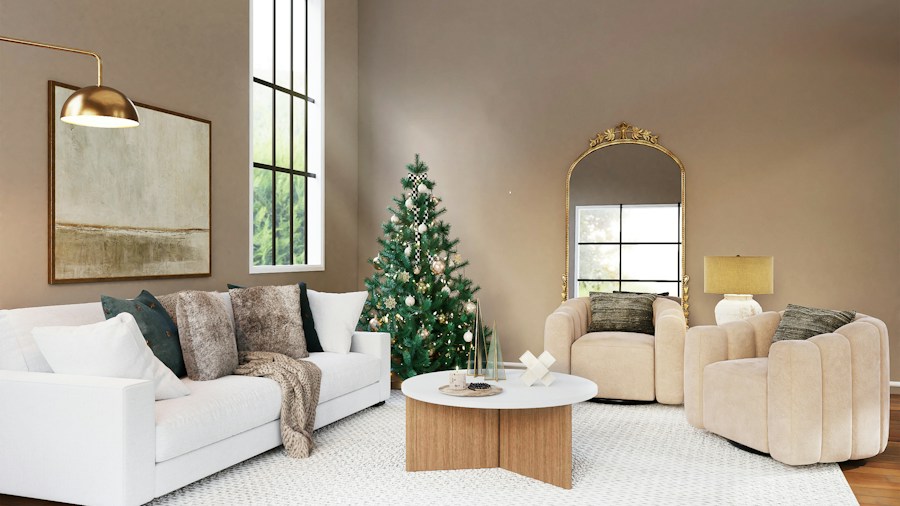
Cloud inspired pieces have become the ultimate expression of soft architecture principles. Clouds, by their very nature, have zero hard lines, making them the perfect design reference for furniture that prioritizes gentleness and tranquility. A Manhattan apartment that fully committed to this theme demonstrates exactly how effective the aesthetic can be when applied thoughtfully throughout a home.
One homeowner used cloud imagery as the central organizing principle for their entire apartment, curating every furniture piece to align with that vision. The result feels cohesive, intentional, and deeply personal. While a fully cloud themed home may not appeal to everyone, the underlying soft architecture principles can easily translate into more subtle applications.
As designers note, this approach isn’t about whimsy alone. Cloud inspired furniture works because soft architectural principles are reshaping how consumers think about their living spaces, and rounded forms naturally promote relaxation while creating visually interesting focal points.
Key Furniture Pieces for Soft Architecture Style
Several specific furniture pieces exemplify the soft architecture trend and can help shoppers incorporate this aesthetic into their homes. A curved velvet loveseat with rounded arms and a soft silhouette serves as an excellent statement piece that anchors a seating area. The organic shape immediately softens the visual weight of a room compared to traditional rectangular sofas.
Bed frames designed with plush, padded sides and zero hard edges represent another essential category. High quality options feature thick foam filling and rounded corners that create an almost cloud like appearance. Paired with simple white bedding, these frames transform a bedroom into a serene retreat.
Arched console tables and accent tables with curved profiles offer a subtle way to introduce soft architecture without overwhelming a space. These pieces work particularly well in entryways or behind sofas, adding visual interest while maintaining the gentle aesthetic. Strategic furniture choices can completely transform rental spaces, allowing renters to experiment with design trends without permanent commitments.
How to Shop for Soft Architecture Furniture
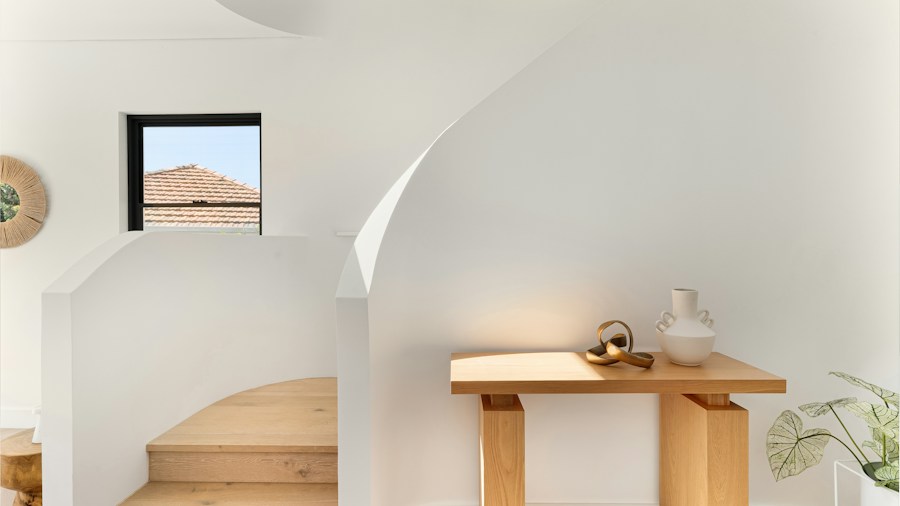
When shopping for furniture that aligns with soft architecture principles, look for pieces characterized by curved lines, rounded edges, and organic shapes. Pay attention to materials too: velvet, cotton, and soft upholstery enhance the cozy feeling that this style promotes. Color palettes tend toward whites, pastels, and warm neutrals that reinforce the gentle aesthetic.
Shoppers don’t need to commit to an entire cloud themed makeover to benefit from these design principles. Mixing one or two soft architecture pieces into an existing room creates a subtle shift toward greater comfort without requiring a complete redesign. A single curved chair, rounded table, or plush ottoman can anchor the aesthetic while other furnishings gradually transition to match.
Price points vary significantly depending on the manufacturer and quality level. Budget friendly options exist at major retailers, while higher end furniture makers specializing in soft designs offer premium materials and craftsmanship. Innovations in furniture design and assembly continue to make quality pieces more accessible to mainstream shoppers.
What This Means for Furniture Shoppers
The soft architecture trend signals a larger shift in how consumers approach home furnishings. Rather than viewing furniture as purely functional objects, shoppers increasingly seek pieces that contribute to emotional wellbeing and create personal sanctuaries. This mindset influences production, design, and retail strategies across the furniture industry.
For shoppers, this means more options for rounded, curved, and organic forms than ever before. Established retailers are expanding their soft furniture offerings, and new brands dedicated to comfort focused design continue emerging. The trend shows no signs of slowing, making it an opportune time to invest in pieces that align with this aesthetic.
Whether you embrace the full cloud inspired vision or simply incorporate a few soft architecture principles, the underlying message remains clear: homes should feel as comfortable and inviting as they look. By prioritizing rounded forms, soft materials, and gentle design, shoppers can create spaces that genuinely support relaxation and personal wellbeing.








Write Your Review
No reviews yet. Be the first to share your experience!