

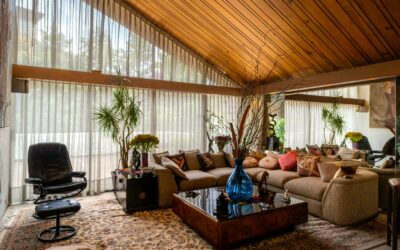
If your living room feels hollow or unwelcoming despite being filled with pieces, you may be making a common furniture arrangement error that interior designers encounter frequently. The culprit: pushing every single item of furniture flush against the walls. This widespread decorating mistake creates what professionals call an unused void in the center of your space, making even well-furnished rooms feel sparse and lifeless.
Why Wall-to-Wall Furniture Feels Wrong
Design experts have long recognized that floating furniture, or pulling pieces slightly away from walls, transforms how a room functions and feels. According to leading designers, this approach creates visual and physical breathing room that changes the entire atmosphere. When all furniture sits directly against walls, it leaves a dead zone in the middle of the room that contradicts what your brain expects from a welcoming environment.
From a neurodesign perspective, humans instinctively scan spaces for both safety and openness. Floating furniture signals intentionality and creates the psychological comfort of enclosure combined with accessible space. This balance is what separates a room that feels intentionally designed from one that simply has furniture scattered around it.
Making Floating Furniture Work in Smaller Spaces
You might assume floating furniture only works in sprawling rooms, but the reality is far more forgiving. Even in compact living areas, strategic adjustments can make a meaningful difference. The key is starting small: float just one primary piece, such as your sofa, rather than attempting to float everything at once. Anchoring that piece with an appropriately sized area rug creates an intentional focal point and prevents the furniture from feeling adrift.
For those working with truly limited square footage, moving your sofa just a few inches away from the wall can yield surprising benefits without requiring a complete redesign. This subtle shift opens up possibilities you may not have considered before, and it costs nothing to try. Lighting rules that transform any furniture layout can amplify the effect of floating pieces, making your adjustments even more impactful.
Hidden Storage and Unexpected Functionality
One overlooked advantage of floating your sofa is the storage potential created behind it. The gap between the back of a floating sofa and the wall becomes practical real estate for items you need to keep but prefer out of sight. Leaning framed artwork, seasonal decor, or rolled textiles all fit comfortably in this space, giving you hidden storage without requiring additional furniture purchases.
Designers frequently place a slim console table between a sofa’s back and the wall, transforming the gap into a display or functional surface. Plants, table lamps, magazines, and books all find homes here, creating layers of visual interest and utility. This approach costs little to implement and immediately changes how you interact with and perceive your room. DIY storage tables cost under 15 dollars to build, offering budget conscious shoppers an affordable way to fill these new spaces with intentional pieces.
The Visual Impact on Small Rooms
Counterintuitively, floating furniture can actually make smaller rooms feel larger. By creating clear pathways and visual flow through your space, you communicate that the room is more expansive than it physically is. This design principle works because it engages multiple senses: your eye moves through the space more freely, and your body can actually navigate more easily around floating pieces.
Starting with one floating piece lets you test this concept without commitment. Move your sofa forward, observe how the room feels for a week or two, then decide whether to float additional pieces. Small experimental changes often lead to bigger design realizations.
What This Means for Your Shopping and Arranging
For shoppers, this insight changes how you should think about furniture placement before purchasing new pieces. Consider room dimensions and traffic flow rather than assuming all pieces should line walls. When selecting a sofa or major seating items, think about how they’ll float rather than only how they’ll fit against a wall.
This perspective also influences what you buy. A console table for behind your sofa, or an appropriately scaled area rug to anchor floating furniture, become essential purchases rather than optional additions. Venus Williams launched a furniture collection featuring pieces specifically designed for flexible layouts, reflecting growing consumer interest in adaptable arrangements.
The fix for that hollow living room feeling doesn’t require replacing your furniture or investing heavily in new pieces. It requires rethinking how you arrange what you already own. By allowing your furniture to breathe and creating intentional space in your room’s center, you instantly transform the atmosphere from empty to welcoming, from disconnected to thoughtfully designed.








Write Your Review
No reviews yet. Be the first to share your experience!