

Installing a video doorbell on your home can provide valuable security, but without careful planning, you could find yourself facing serious legal consequences. Recent high-profile cases have shown that homeowners can face six-figure damages for violating their neighbors’ privacy rights. Understanding how to use these devices legally protects both you and those around you.
Understand Your Legal Obligations Before Installation
Before mounting your video doorbell, recognize that you have legal responsibilities as soon as the device captures images or audio. In most jurisdictions, you need a lawful basis for operating surveillance equipment. This means you cannot simply install a camera and point it wherever you want. Legal experts recommend conducting a data protection impact assessment to identify potential privacy risks before installation begins.
Know the Domestic Exemption Limits
Many homeowners believe the ‘domestic exemption’ allows them to record anything on their property. However, this exemption only applies when your camera’s field of view stays within your property boundaries. If your video doorbell captures images of neighboring properties, public streets, or your neighbor’s windows, you are operating surveillance equipment in public space and must follow commercial-level data protection rules. This dramatically changes your legal obligations.
Position Your Camera to Minimize Neighbor Capture
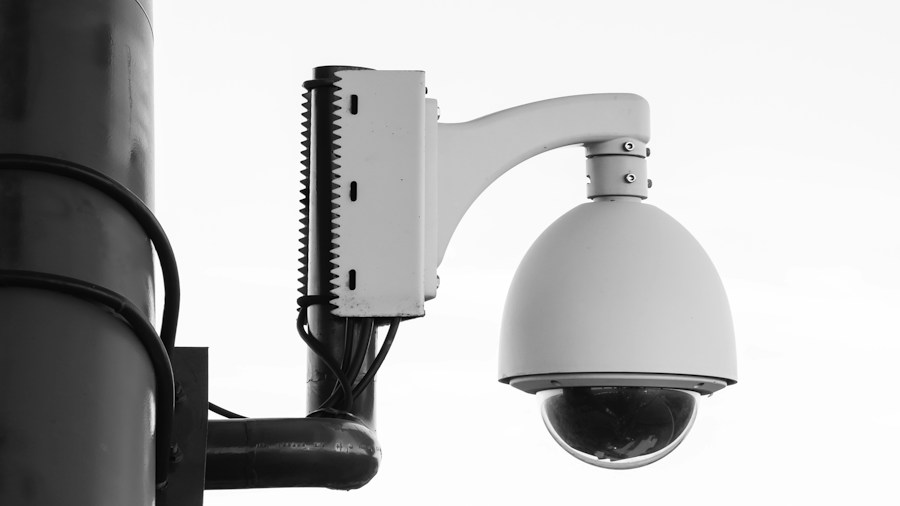
The most practical step is adjusting your video doorbell’s angle during setup. Point it directly at your entrance rather than letting it sweep across shared driveways, sidewalks, or adjacent yards. Modern devices include built-in privacy masking tools that allow you to black out specific areas in the camera’s view. Using these features costs you nothing but provides substantial legal protection.
If you must monitor parking areas on public roads, plan to treat your device as commercial CCTV equipment. This requires written documentation of your security purposes, data retention limits, and how you will handle footage. Research doorbell camera models with advanced angle adjustment and privacy masking capabilities before purchasing.
Disable or Limit Audio Recording
Audio capture creates the most serious legal exposure. Courts have found that recorded conversations from neighbors constitute a greater privacy violation than video alone. If your video doorbell includes audio, determine whether you truly need it. Many homeowners disable audio recording entirely to eliminate this risk. If you keep audio enabled, ensure your neighbors are clearly aware through visible signage on your property.
Post Clear Privacy Notices on Your Property
Legal requirements demand transparency. Install visible signage indicating that surveillance is in use. Go further by posting a detailed privacy notice explaining what you record, why you record it, how long you retain footage, and who might access it. This notification transforms your setup from potentially illegal surveillance into lawful security measures. Your neighbors should never be surprised to learn that audio or video of them is being captured.
Never Post Footage to Social Media Without Legal Review
Sharing video doorbell footage on social media platforms, community groups, or neighborhood apps creates multiple legal hazards. Publishing identifiable images of people without consent can violate data protection laws. If your post accuses someone of criminal behavior without proof, you could face defamation lawsuits. Posts that encourage followers to identify or harass someone may trigger criminal charges for harassment or interference with justice. Stay informed about how emerging smart home technologies affect privacy law, particularly as facial recognition and AI features become more common.
If you believe your video doorbell captured criminal activity, provide the original footage directly to law enforcement rather than posting online. The police investigation will benefit more from unedited source material than from video circulated through social channels.
Control Data Retention and Storage
Storing footage indefinitely creates unnecessary legal risk. Establish a clear retention schedule and delete videos after the time period expires. Keep recordings on local devices such as MicroSD cards or home hard drives rather than relying solely on cloud storage. Local storage gives you direct control over your data, reduces exposure to third-party access, and demonstrates responsible information management to regulators.
Be Cautious With Facial Recognition Features
Emerging video doorbells include facial recognition and artificial intelligence capabilities. Using these technologies to identify people introduces special category biometric data, which requires even stricter protections than standard video recording. Unless you have clear documentation of a lawful reason and proper safeguards, facial recognition features expose you to regulatory action. Accuracy remains questionable, so relying on facial matches as proof of identity creates additional risks.
Create Data Sharing Agreements With Neighbors

If you share footage with neighbors to coordinate security against package theft or burglaries, formalize this arrangement with a written agreement. Both parties should commit to common standards for handling the information, including how long it will be kept, who can access it, and whether it can be shared further. Explore smart home solutions that prioritize local processing and data privacy to minimize exposure through cloud networks.
Use Minimum Necessary Recording
The legal and practical approach is collecting only the footage essential for your home’s security. Adjust activity zones to exclude areas beyond your property. Review and delete recordings regularly. This discipline reduces legal exposure, respects your neighbors’ privacy, and prevents your security system from becoming surveillance infrastructure. A video doorbell protects your home best when it remains a targeted security tool rather than a permanent recording device of public space.










Write Your Review
No reviews yet. Be the first to share your experience!