

The Hidden Cost of Donating Low Quality Furniture
When you drop off that particle board shelf or plastic-laden coffee table at your local thrift store, it might feel like a charitable act. In reality, you’re participating in a cycle that ultimately harms the environment rather than helping it. The problem isn’t the donation itself, but the purchasing decisions that led to owning these items in the first place.
Fast furniture, a term borrowed from the fast fashion industry, describes pieces made from cheap materials like particle board and plastic, sold at rock bottom prices, and designed to last only a few years. Retailers including IKEA, Wayfair, and Amazon have built massive businesses on this model, offering stylish furnishings at prices comparable to a restaurant meal. The appeal is obvious: affordability, convenience, and instant gratification. The environmental cost, however, is staggering.
The Scale of the Furniture Waste Problem
According to the Environmental Protection Agency, approximately 10 million tons of furniture ended up in landfills in 2018 alone. That’s nearly five times the amount generated just six decades earlier. The trend reveals a troubling shift in how we produce and consume home furnishings. Furniture is no longer built to last, yet consumers continue purchasing at record rates, creating an unsustainable spiral of waste.
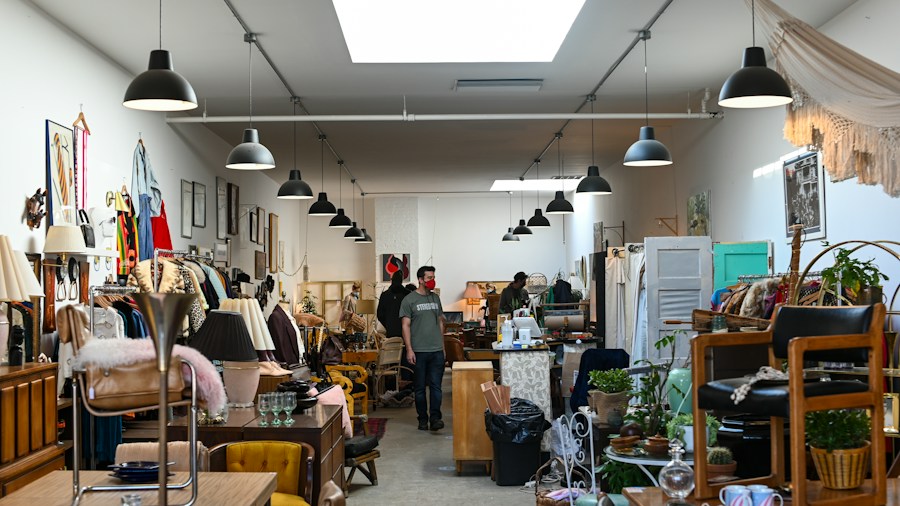
Thrift stores across the country bear witness to this problem firsthand. Research from Fort Collins area thrift stores revealed that roughly one third of all furniture donations are rejected immediately and sent directly to landfills. These organizations lack sufficient storage space and prioritize items they believe will generate revenue. A wobbly IKEA bookshelf or damaged particle board dresser typically won’t meet their standards, regardless of your good intentions.
Why Thrift Stores Can’t Fix This
Even when thrift stores do accept low quality furniture, the cycle of waste continues. Pieces made from inferior materials break down within months in their new homes, meaning the buyer faces the same disposal problem you did. Finding quality secondhand furniture remains possible, but requires patience and strategy to avoid perpetuating the fast furniture trap.
The real issue isn’t charitable giving, it’s the consumption habits driving donations in the first place. Donating your old fast furniture while immediately replacing it with another low quality piece simply transfers the environmental burden rather than reducing it. You’re not saving the planet, you’re just adding more steps to its eventual journey to the landfill.
Breaking Free From the Fast Furniture Cycle
Shifting away from fast furniture requires intentional decision making. The emerging trend toward heirloom quality pieces and artisanal craftsmanship signals a growing recognition that investment in durability pays dividends for decades. Furniture made from solid materials that can withstand years of use ultimately costs less per year than replacing cheap pieces multiple times.
You don’t need to abandon shopping entirely or purchase luxury furniture you can’t afford. Instead, consider these practical strategies: Before purchasing, ask yourself whether you truly need that item within the next 48 hours, or if you could save up over time for a better option. Strategic furniture choices that prioritize longevity transform spaces more effectively than constant replacements. Shopping secondhand for reasonably priced, well made pieces provides both affordability and durability.
Refreshing What You Already Own
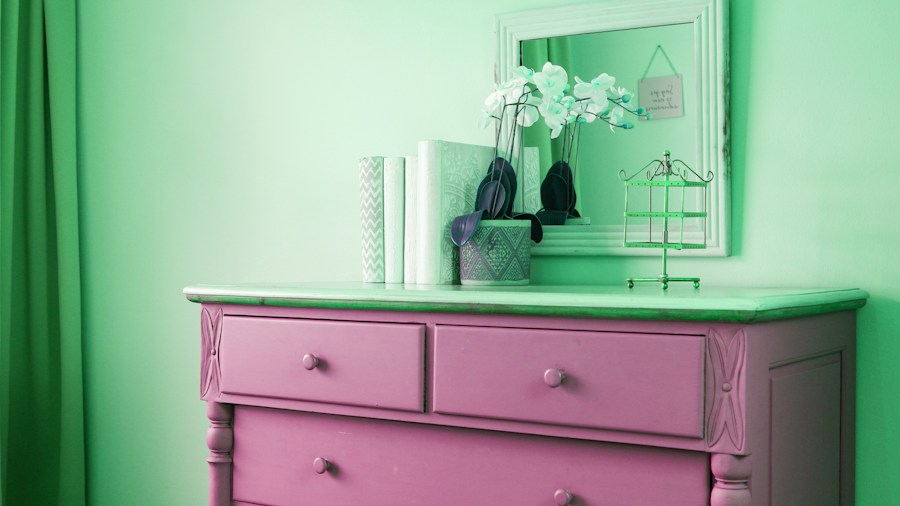
Before donating or replacing, explore ways to refresh existing furniture. That cabinet no longer matching your aesthetic can be transformed with paint or new hardware. This approach costs far less than replacement and keeps usable items out of landfills. Japanese design principles emphasizing restraint and intentional living offer inspiration for making do with less.
What This Means for Conscious Shoppers
Understanding the true environmental impact of fast furniture requires acknowledging your role in the system. While corporations bear significant responsibility for creating these unsustainable business models, individual choices matter. Every purchase decision either reinforces or challenges the status quo.
The path forward involves slowing down your consumption, prioritizing quality over quantity, and resisting the urge to constantly refresh your space. Thrift stores and donation centers aren’t solutions to fast furniture, they’re symptoms of a broken system. Real change happens when shoppers make fewer, more intentional purchases of items built to endure. Your future self, and the planet, will thank you for thinking beyond the quick fix.












Write Your Review
No reviews yet. Be the first to share your experience!