

The Global Connect Show at IFA 2026 showcased a remarkable collection of office technology and workspace innovations that reveal where printer technology and related equipment are heading. For consumers who refuse to settle for adequate when exceptional is available, this year’s showing demonstrated that the future of office gadgets is built on durability, accessibility, and rethinking how devices integrate into modern workflows.
Durability Becomes the New Affordability Standard
One of the most significant trends emerging from the show centers on how manufacturers are evolving their approach to long-term value. Where previous generations of office equipment competed primarily on price, today’s leading brands are asking harder questions about longevity and real-world performance over years of daily use. This shift matters because it directly affects what you should expect from your investment in office technology. A device that costs less but degrades quickly represents poor value compared to equipment that maintains performance and reliability across many years of ownership.
The sealed optical engine design now appearing in projection technology exemplifies this philosophy. Traditional projectors leave optical components exposed to dust and airborne particles, which gradually degrades image quality over months of use. Newer sealed architectures create cleaner internal environments that preserve optical performance far longer. This is the kind of practical consideration that rarely appears in marketing materials but shows up prominently in multi-year user reviews. Modern manufacturing innovations, from 3D printers to specialized equipment, increasingly prioritize long-term durability as a core design principle rather than an afterthought.
Portable Solutions Are Becoming Office Essentials
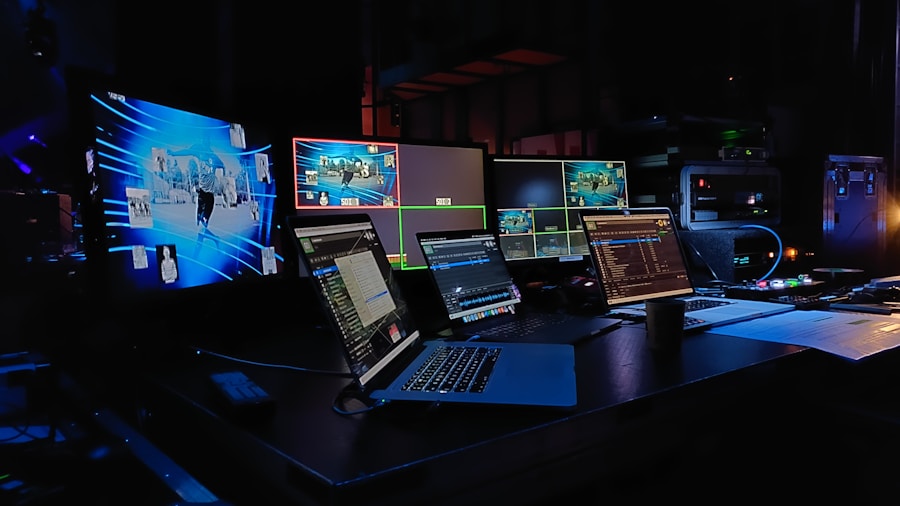
The explosion of portable monitors and mobile workspace equipment reflects a fundamental shift in how offices operate. The boundary between home office, coffee shop workspace, and traditional office environment has blurred significantly. This isn’t just about convenience; it’s reshaping what office equipment manufacturers build and how they think about portability as a core feature rather than a novelty.
Portable monitors now arrive in multiple sizes and configurations to match different work styles. Larger 17-inch touchscreen models serve professionals who refuse to compromise on screen real estate for complex tasks like design or data analysis. More compact 15-inch options balance portability with usability for people who prioritize mobility and weight. Digital frames and smart calendars extend this portable approach beyond traditional displays, creating entire ecosystems of office peripherals designed for flexibility. AI-powered solutions are also addressing longstanding compatibility issues that plague workers who rely on multiple devices across different platforms and locations.
Accessibility Across Price Points Becomes Competitive Reality
Professional-grade tools historically carried professional-grade prices that made them inaccessible to small operations, home offices, or side hustles. The current market shift toward making genuinely capable equipment available at consumer-friendly prices represents a genuine disruption in how the tool and office equipment industries operate. This matters to shoppers because it means you’re no longer forced to choose between affordability and professional capability; quality hardware designed for serious work is now reaching much wider audiences.
Heat press systems designed for merchandise operations, digital torque screwdrivers with memory logging capabilities, and precision tap and die sets now arrive at price points that make them accessible to people running small operations from home. The metallurgy and machining tolerances that defined professional-grade equipment remain the same; the business model has simply shifted away from the assumption that only industrial operations justify investment in high-quality tools.
Building Ecosystems Rather Than Isolated Devices
Perhaps the most meaningful trend involves how manufacturers are building interconnected systems rather than standalone products. A rugged smartphone with thermal imaging pairs with a specialized outdoor smartwatch featuring dual-band GPS. Portable monitors integrate with digital calendars and smart home displays. Home energy storage systems work across multiple inverter platforms rather than locking users into proprietary ecosystems.
This shift toward compatibility and integration reflects how modern offices and work environments actually function. People don’t buy individual devices in isolation; they build complete systems that need to communicate, share data, and work together seamlessly. Understanding how devices integrate into larger workflows, from portable printers to supporting technology, helps buyers make smarter equipment choices that serve them for years rather than becoming obsolete orphans.
What Shoppers Should Take Away
The office equipment landscape is shifting toward products built for longevity, integration, and accessibility. When evaluating new office technology, prioritize durability characteristics over lowest-cost options. Look for equipment designed to work within larger ecosystems rather than requiring proprietary add-ons. Seek tools that scale with your actual needs rather than forcing you into industrial-grade complexity. The gadgets that stood out at IFA 2026 shared a common thread: they asked what problems their intended users actually face, then designed solutions that addressed those real challenges. That’s the standard worth holding new office equipment to before making your purchase.











Write Your Review
No reviews yet. Be the first to share your experience!