

A Trending Budget Furniture Solution Takes Off
The furniture retail landscape is shifting as more homeowners discover that statement-piece tables don’t require expensive showroom visits. A simple DIY project using concrete blocks and glass tops is gaining traction among budget-conscious decor enthusiasts, and it represents a meaningful change in how consumers approach living room design. This trend highlights an important principle: quality, stylish furniture can come together in an afternoon with minimal spending and basic materials.
How the Concrete Block Coffee Table Works

The project itself is straightforward and requires minimal tools or experience. You’ll need three standard concrete blocks, available at any hardware store for roughly $2 each. Add a round tempered glass tabletop with polished edges, black spray paint, and anti-slip pads, and your total investment lands under $100 for two functional coffee tables. The assembly process takes just hours: spray paint the blocks in a well-ventilated area, allow them to dry completely, then stack and position them with glass tops. The result is an industrial-style piece that looks far more expensive than its actual cost.
What makes this project accessible is that it requires no advanced carpentry skills or specialized equipment. The most physically demanding part is simply moving the concrete blocks outdoors for painting, since they weigh at least 28 pounds each. Once painted and dry, the blocks are arranged vertically or horizontally to support glass surfaces of different sizes, creating visual interest and functional surfaces throughout your living room.
Why This Matters for Today’s Furniture Shoppers
This DIY trend reflects a broader shift in consumer attitudes toward how shoppers approach mixing budget and statement pieces. Rather than viewing all furniture as something to purchase ready-made, many homeowners now see value in combining inexpensive base materials with quality finishing elements like tempered glass. This approach aligns with practical decorating principles that allow people to invest selectively in pieces that truly matter.
The concrete block method also addresses a real pain point for budget furniture buyers: the difficulty of finding unique pieces that don’t look mass-produced. Industrial and warehouse aesthetics have remained popular for years, and this project delivers that look authentically because it uses actual construction materials. You’re not buying a furniture knockoff; you’re creating genuine industrial design.
Customization Options That Add Personal Style
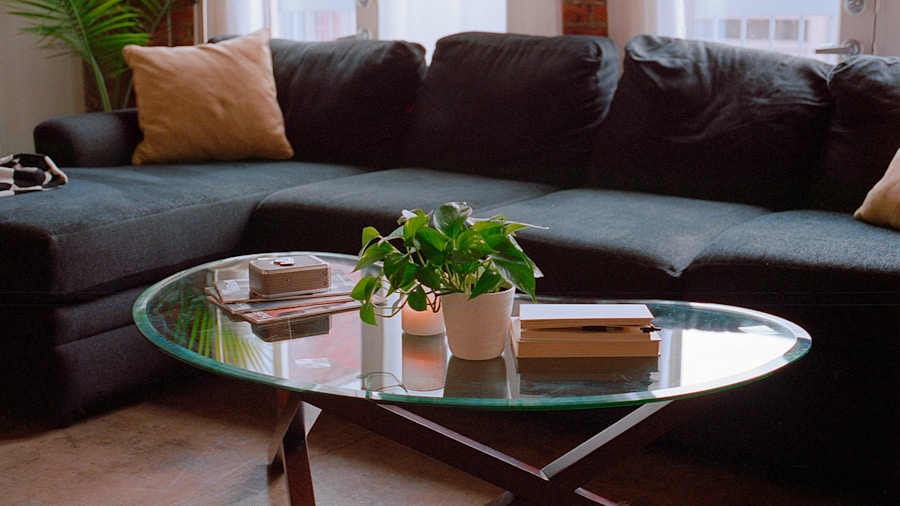
One of the strongest advantages of this furniture solution is its flexibility. While black paint creates a sleek, modern look, you can easily shift the aesthetic by choosing different colors. Cream or white paint offers neutral elegance, while moody colors like cobalt blue or burgundy create bolder statements. Some builders add texture with plaster or incorporate LED lighting into the block holes for contemporary appeal.
The glass tops can be decorated using stencils, painted patterns, or inspirational quotes. You can also experiment with different tabletop materials entirely, such as reclaimed wood or pallets for a rustic vibe. Height variations are possible too: stacking blocks creates a taller, more sculptural base that commands attention in your room layout.
What Shoppers Should Know Before Starting
Safety is essential for this project. Always spray paint concrete blocks outdoors in well-ventilated areas, and wear appropriate respiratory protection. Use quality tempered glass with polished edges to ensure durability and a refined appearance. The glass should overhang the concrete base by at least a few inches for both visual balance and stability.
When positioning your finished tables, space the vertical blocks roughly 8 to 10 inches apart to create a balanced look. Angle the block holes in different directions for visual interest, and always use anti-slip pads on top to protect the glass from shifting or scratching. This attention to detail transforms a simple stacked project into a polished, intentional piece of furniture.
The industrial aesthetic created by concrete blocks pairs well with many existing decor styles, from modern minimalist to eclectic bohemian. As room layout trends continue to evolve, flexible, modular furniture solutions like this one allow homeowners to adapt their spaces without major financial commitments. Whether you’re furnishing a first apartment or refreshing an existing living room, this concrete block approach demonstrates that thoughtful design doesn’t require department store prices.









Write Your Review
No reviews yet. Be the first to share your experience!