

As summer winds down and garden beds open up, September presents an ideal opportunity to shift your growing strategy. Rather than letting empty spaces sit dormant, gardeners can capitalize on the season’s cooling temperatures to plant hardy cool-season vegetables that will produce throughout winter. Understanding which crops thrive in fall conditions and how to prepare your garden now can transform your harvests from seasonal to year-round.
Why September Is Your Second Planting Season
While many gardeners think the growing season ends in summer, September actually marks the beginning of a productive fall and winter garden. Cool-season crops prefer temperatures between 60 to 70 degrees Fahrenheit, making early fall ideal for germination and growth. These hardy vegetables tolerate early frosts and can remain productive well into winter, especially for shoppers in US hardiness zones 7 and above. Before planting, consider enriching your soil with organic amendments like chicken manure pellets to provide essential nutrients for robust growth.
Seven Hardy Vegetables Worth Planting Now
Spinach: Fast-growing spinach thrives when planted in September, avoiding the bolting problem that occurs in hot summer weather. Seeds germinate quickly when sown directly into shallow inch-long drills kept consistently moist. Thin seedlings to 6 to 10 inches apart, and you can harvest baby leaves within 30 to 40 days or wait longer for mature leaves. Alternatively, buying young plants from garden centers offers immediate results.
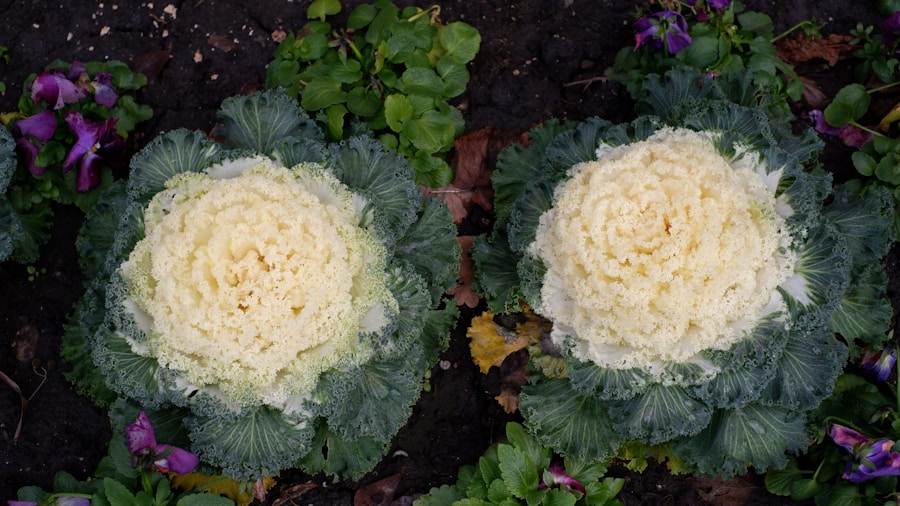
Kale: This underrated crop deserves a spot in every garden. Kale becomes sweeter after frosts because starches convert to sugars, making it exceptionally flavorful in winter dishes. Plant young seedlings or direct sow seeds a half-inch deep, spacing them a foot apart as they mature. Varieties like cavolo nero or lacinato kale are particularly reliable. When temperatures drop, protect plants with frost cloth row covers to extend your harvest deep into winter.
Collard Greens: Southern cooking staples, collard greens are nutritious and hardy down to 15 degrees Fahrenheit. Fast-growing nature means you can harvest baby leaves within 30 days. Plant seedlings 18 to 24 inches apart in sunny locations, or sow seeds directly a half-inch deep. Light frosts enhance their flavor, making them perfect for winter stews and stir-fries. Cover with hoop tunnels during extreme weather for reliable cold-season harvests.
Corn Salad: Also called lamb’s lettuce, corn salad is remarkably winter-hardy and provides consistent harvests even through snow. Sow seeds in shallow drills spaced four inches apart and thin seedlings to 4 to 6 inches apart. This cut-and-come-again crop reaches harvestable size within 4 to 6 weeks. Row covers or cloches protect plants during harshest winter weather, ensuring tender leaves for winter salads.
Winter Radish: Unlike summer radishes, winter varieties like Black Spanish and daikon radishes grow larger and slower, developing full flavor over weeks. These hardy roots can remain in the ground until soil freezes, then be lifted and stored for months. Sow seeds an inch deep in rows 12 inches apart, thin to six inches apart, and expect harvests in 8 to 10 weeks. Use them raw, roasted, or in soups.
Mustard Greens: Offering peppery flavor from mild to fiery, mustard greens mature in approximately four weeks. Varieties like Red Giant and Southern Giant deliver colorful, abundant leaves. Sow seeds a half-inch deep in rows 12 inches apart, adjusting spacing based on whether you want baby or full-sized leaves. Regular watering prevents bitterness during early fall dry spells. As you consider ways to expand your growing space, mustard greens require minimal room and fit easily into established gardens.
Asian Greens: Low-maintenance options like mizuna, komatsuna, pak choi, and tatsoi fit easily into garden gaps. These varieties transition from seed to harvest in just 4 to 6 weeks and work equally well in ground beds or containers. Sow seeds an inch deep and two inches apart, spacing rows 12 inches apart. Harvest outer leaves continuously or cut entire heads for regrowth. Watch for slugs that may target tender seedlings.
Preparation Tips for Success
Before planting, ensure your beds receive adequate sunlight, as cool-season crops still need 6 to 8 hours daily. Water consistently using a fine-rose watering can to avoid disturbing young seeds. Plan to use frost cloth and row covers once temperatures drop to protect investments and extend harvests. Creating year-round garden structure benefits both your crops and local wildlife.
By taking action now and selecting appropriate varieties, you transform September from an ending into a beginning. Rather than watching your garden slow down, you build momentum toward consistent winter harvests that reward planning and thoughtful variety selection.












Write Your Review
No reviews yet. Be the first to share your experience!