

September marks the ideal window for home gardeners to refresh their landscape and prepare for next year’s blooms. With cooler temperatures arriving and soil still warm and workable, this is the season when nurseries stock their shelves and gardeners tackle their most important planting projects. If you’re considering what to add to your garden this fall, understanding which perennials and bulbs thrive when planted now can make the difference between a vibrant spring and disappointing gaps in your borders.
Why September Is Garden Planting Season
As summer heat fades and autumn rains return, the conditions for establishing new plants improve dramatically. The soil remains warm enough to encourage root development before winter dormancy sets in, yet the air temperatures are cool enough to prevent transplant shock. This combination creates an optimal window for planting that lasts roughly from September through October. Additionally, September is when gardeners have time to assess what worked in their landscape and what needs improvement, making it the perfect moment to fill those empty spots with new selections.
Spring Bulbs: Plant Now for March and April Blooms
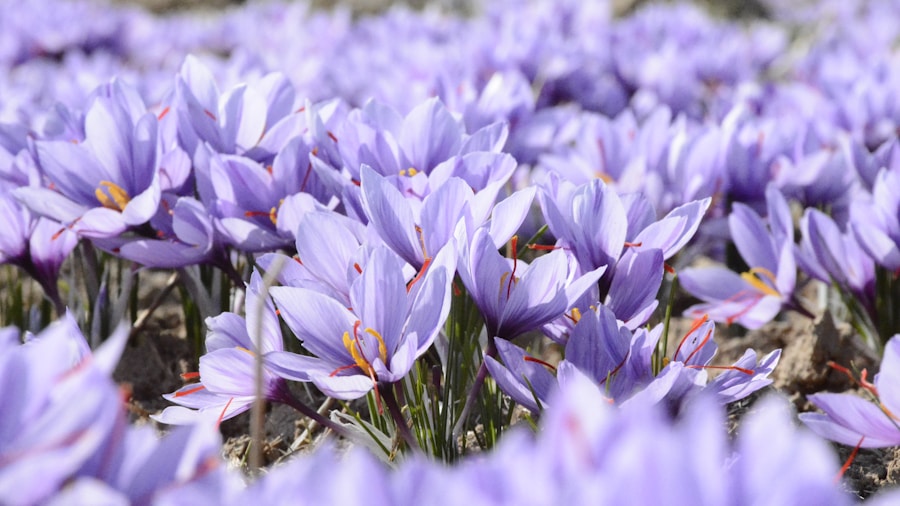
Spring-flowering bulbs like daffodils and crocuses must be planted in fall to break dormancy and flower in spring. Daffodils, available in yellow, white, and bicolor varieties, range from compact cultivars to tall varieties reaching 18 inches. These reliable bloomers flower from March through April and tolerate a range of growing conditions, from borders to lawns to containers. When handling daffodil bulbs, wear gloves, as they contain toxins that can irritate skin.
For something more delicate, spring-flowering crocuses bring early color when little else blooms. Available in vibrant purples, yellows, and pastels, crocuses also provide vital early-season nectar for pollinators waking from winter. Both bulb types should ideally be in the ground by October to allow adequate root establishment before the coldest months arrive.
Hardy Perennials That Establish Well in Fall
Unlike bulbs, many perennials can be planted year-round as long as the ground is not frozen. However, September remains an excellent choice because warm soil helps these plants establish strong root systems before winter stress. Hardy geraniums, also called cranesbills, are excellent investments for any garden. These reliable performers flower for months and return consistently each year, offering remarkable value over their lifespan. The variety ‘Rozanne’ is particularly popular for its extended blooming period and violet-blue flowers.
Hellebores are another perennial worth considering for fall planting. These shade-tolerant plants bloom during winter and early spring when few other flowers offer color. Available in cream, lime-green, pink, and deep purple, hellebores brighten shaded corners throughout the darkest months. September is also an ideal time to divide existing hellebores in your garden, rejuvenating older clumps.
Shrubs and Trees for Year-Round Structure
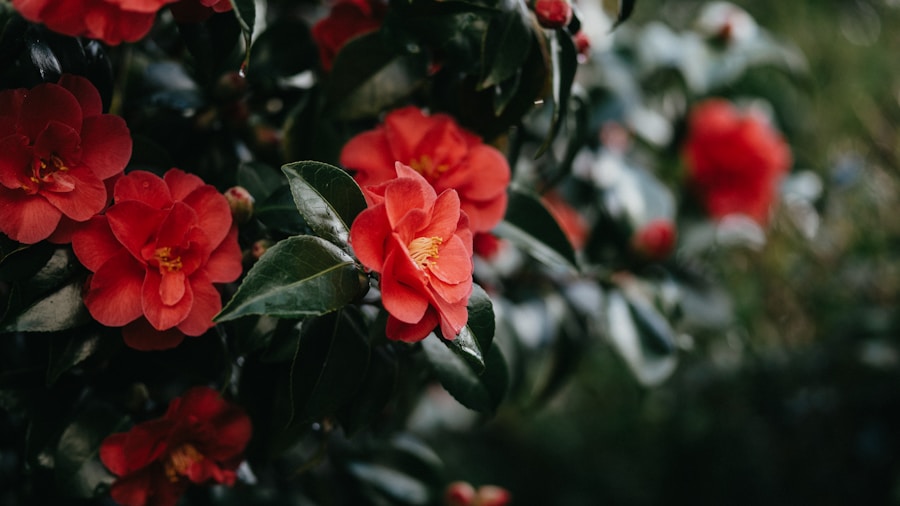
Beyond perennials and bulbs, fall is the prime season for planting shrubs and trees. As featured in resources on creating layered borders, shrubs provide essential structure and visual weight to garden designs. Bay laurel, an evergreen Mediterranean native, grows well in containers or in-ground gardens in USDA zones 8 and warmer. Camellias bring sophisticated spring flowers and glossy foliage, thriving in acidic soil and dappled shade in zones 7 through 9. Both benefit from fall planting, which allows roots to establish before spring growth begins.
Cool-Season Crops for Winter Harvest
Gardeners shouldn’t overlook September as a vegetable planting opportunity. Corn salad, also called lamb’s lettuce, is a hardy cool-weather crop that thrives through fall, winter, and spring. Sown in September, it reaches harvest readiness in just six weeks and survives winter snow. Similarly, fava beans sown from late September through October develop attractive flowers and produce a nutty-tasting harvest by May. Unlike summer vegetables, these crops actually prefer the cooling temperatures of fall and perform better when started in September than earlier in the season.
Making Your Planting Project Successful
Before digging into your planting project, ensure you have proper tools. A quality border spade makes soil preparation faster and less taxing, while an ergonomic trowel reduces hand fatigue during repetitive planting. After planting, apply 2 to 3 inches of mulch to insulate roots and retain soil moisture through winter. Consider using natural cedar mulch or garden compost for best results.
September planting success also depends on understanding your zone and soil conditions. Check your USDA hardiness zone when selecting varieties, and test soil pH if you’re planning shade-loving plants like camellias and hellebores. Like the principles discussed in guides for pollinator plantings, choosing regionally appropriate plants ensures better establishment and lower maintenance long-term.
Whether you’re shopping for spring bulbs, hardy perennials, or shrubs this month, September offers an unmissable opportunity to refresh your garden with plants that will thrive for years to come. Start assessing your landscape now, make a planting list, and take advantage of this ideal growing window before it closes.









Write Your Review
No reviews yet. Be the first to share your experience!