

Console tables have long occupied an overlooked corner of interior design, serving as little more than decorative catch-all surfaces for lamps and candles. But a striking new design is challenging that assumption and reshaping what these pieces can actually do for your home.
A fresh console table design from designer Deniz Aktay features a surface that departs dramatically from the flat, uniform tops shoppers expect. Instead of a standard rectangular surface, one end of the table fans out into layered wooden sheets that spread like open book pages or a hand of shuffled cards. The effect is genuinely unexpected in a furniture category known for being purely utilitarian.
What Makes This Design Stand Out
The construction relies on plywood engineered with clear intentionality. Rather than hiding the material’s characteristic layered edges, the design celebrates them as a visual feature. Each thin layer remains visible and distinct, showcasing warm wood tones that create visual depth and texture. The thinness of individual plywood sheets proves essential to the design, making the fanned end feel light and feathered rather than heavy and stacked.
The table’s base matches the minimalist approach with slim, white tubular metal legs that splay slightly outward. This design choice grounds the piece without overwhelming it. The visual lightness of the base allows the wooden top to appear as if it’s floating above the floor rather than sitting solidly upon it.
When furnishing compact spaces, multipurpose furniture becomes essential. That’s where this design truly innovates. Functional furniture tips for small spaces often focus on hidden storage, and this table delivers exactly that without visible compartments or drawers. The gaps between the fanned layers create usable storage wide enough to accommodate magazines, books, tablets, or laptops. The storage integrates so naturally into the design that first-time viewers might not immediately recognize it as a feature.
Design Versatility From Every Angle
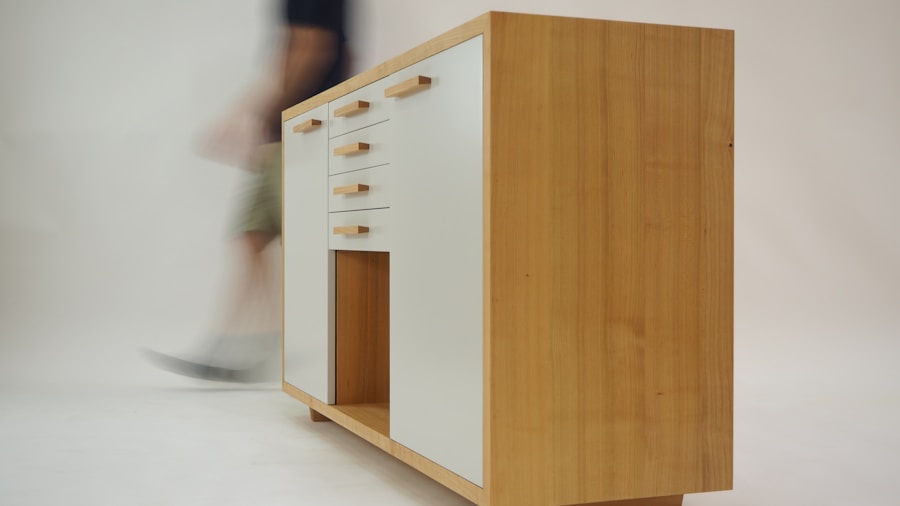
The piece reveals different personalities depending on your vantage point. Viewed from the end, the fanned layers compress into a geometric, almost architectural form that looks nothing like a traditional console table. From the side, it stretches into something long and minimal with one unexpected detail that catches the eye. This thoughtful approach to three-dimensional design means the table maintains visual interest throughout your home, not just when facing it directly.
For shoppers accustomed to furniture that sits passively in a room, this represents a shift in what’s possible. Console tables historically present a design challenge: they hold things on top but rarely within, and adding drawers or shelves compromises the visual impact. This design solves that problem by opening up the surface itself.
The designer’s studio, established in Stuttgart in 2020, specializes in pure lines and modern minimalism while emphasizing multifunctional purpose. This piece exemplifies that philosophy. Similar innovative approaches to furniture design have emerged across various styles, from contemporary pieces inspired by traditional craftsmanship to solutions addressing specific layout challenges in modern homes.
What This Means for Your Shopping Decisions
Console tables rarely generate excitement in the furniture world. They’re functional, necessary, and occasionally attractive, but rarely surprising. This design breaks that pattern without relying on theatrical flourishes or bold statements. Instead, it quietly performs functions other tables in the room don’t attempt while maintaining a calm, collected aesthetic.
For consumers evaluating console options, this development signals that even traditionally static furniture categories continue to evolve. Designers are reconsidering how everyday pieces can solve real problems like storage in compact homes. Whether you’re addressing spatial constraints in apartments and rental homes or simply seeking pieces with multiple functions, the market increasingly offers thoughtful alternatives to purely decorative options.
The emergence of this style of console table demonstrates how modern design thinking separates concept pieces from furniture that genuinely works in real homes. When a designer solves functional problems without adding visual bulk or sacrificing aesthetics, that’s when truly exceptional pieces emerge. For shoppers tired of furniture that simply occupies space, this represents a meaningful shift toward pieces that actually earn their place in your home.











Write Your Review
No reviews yet. Be the first to share your experience!