

If you own wood patio furniture, you’ve made an investment that can last decades with proper care. Many homeowners wonder about the best way to clean outdoor wood pieces, particularly whether using a hose or pressure washer is safe. The answer may surprise you: while a standard garden hose is perfectly fine, a pressure washer can actually cause significant damage to your wood furniture.
Why Power Washing Wood Furniture Backfires
It’s tempting to reach for a pressure washer when your outdoor furniture looks dirty or weathered. After all, the intense spray seems like it would clean faster and more effectively. However, the high-pressure stream does more harm than good. A power washer strips away the natural protective oils that wood needs to stay resilient and beautiful. The forceful water also damages the cellulose fibers within the wood itself, resulting in a dull appearance or, in severe cases, cracking and warping.
Beyond cosmetic damage, pressure washing can compromise your furniture’s structural integrity. The powerful jets can loosen or separate joints, leaving your favorite outdoor pieces wobbly and potentially unsafe to use. This is why manufacturers and furniture care experts consistently recommend avoiding pressure washers for wood outdoor furniture, no matter how convenient they might seem.
The Right Way to Clean Wood Patio Furniture
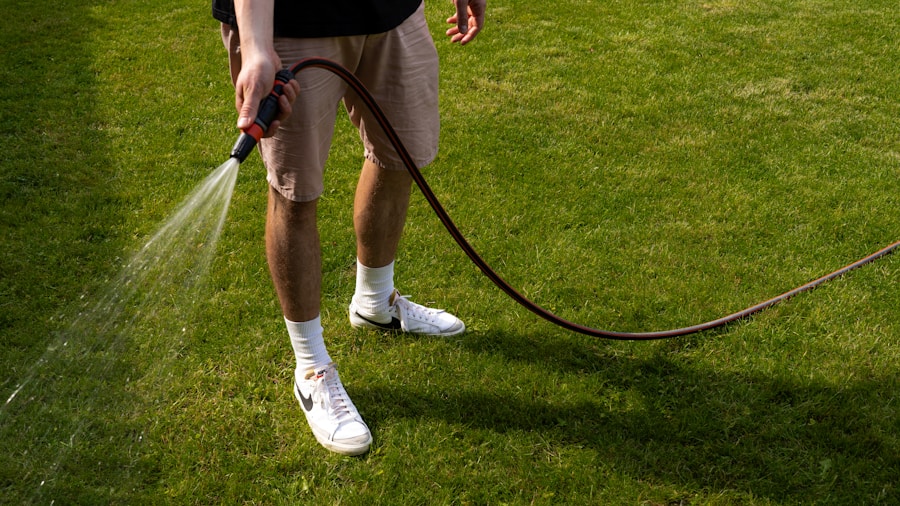
A standard garden hose combined with gentle scrubbing is all you need to keep wood furniture looking fresh. Start by removing loose dirt and debris with dusting or a vacuum. Next, mix warm water with a mild detergent and use a soft to medium-soft brush or sponge to scrub the entire piece. Work in the direction of the wood grain to prevent scratching the surface. For areas with stubborn dirt buildup, you can use your regular hose on steady pressure, but avoid any concentrated spraying.
If your furniture has developed mildew or moss, add a splash of white vinegar to your cleaning solution. This natural ingredient helps kill mold spores without harsh chemicals. Once you’ve scrubbed everything thoroughly, rinse away all soap residue with your garden hose and allow the furniture to dry completely in direct sunlight. If you live in a humid climate, consider moving the furniture indoors to an air-conditioned space to finish drying, since trapped moisture can lead to mold and unpleasant odors.
Protecting Your Investment Long Term
Cleaning is just the beginning of proper furniture care. Unfinished wood benefits greatly from a protective oil applied to clean, dry surfaces. For even greater durability, you can apply wood stain, which soaks into the grain and resists moisture and UV damage. Marine varnish, designed to withstand harsh marine environments on boats, offers the strongest protection with a physical coating layer.
Storage and covering practices matter too. During off-season months, bring your wood furniture indoors if possible. If indoor storage isn’t an option, invest in a cover made from breathable fabric. Avoid non-breathable covers, which trap moisture and encourage mold and mildew growth. With these preventive steps, high-quality wood furniture like teak can remain in excellent condition for 75 years or longer.
Understanding the right maintenance approach transforms how you care for your outdoor pieces. Many homeowners focus on aesthetic furniture arrangements, like the trend of placing sofas below television sets, but the foundation of enjoying any furniture investment is keeping it clean and protected. Whether you’re working with premium wood or mixing budget and high-end pieces using the 70-20-10 rule for balanced decorating, proper maintenance extends the lifespan of every item in your collection.
The bottom line is straightforward: skip the pressure washer, grab your garden hose and some mild soap, and invest a little elbow grease in caring for your wood furniture. Your outdoor spaces will look beautiful and welcoming for many years to come, making every season of entertaining worth the minimal effort required to maintain them.












Write Your Review
No reviews yet. Be the first to share your experience!