

If your air conditioning system fails unexpectedly or your heating stops working in winter, there’s a chance the foundation for that breakdown was laid months or even years earlier. Industry experts have identified a pattern of service shortcuts that technicians take to save time on the job, only to create expensive problems down the road. Understanding these mistakes helps you ask the right questions and protect your investment.
The Hidden Cost of Quick Fixes
When HVAC technicians work under time pressure or rely on familiar habits rather than the right approach for each job, they often cut corners in ways that don’t show up as problems immediately. A coil might look clean after service, or a drain pan might get a quick treatment and a checkmark, but the real damage accumulates silently. By the time the system fails or performs poorly, months have passed and the original service visit is a distant memory. For homeowners with warranties or service contracts, these shortcuts can mean early equipment failure, higher repair bills, and the frustration of dealing with a contractor’s mistakes.
Coil Cleaning and Protection: The Right Way Matters
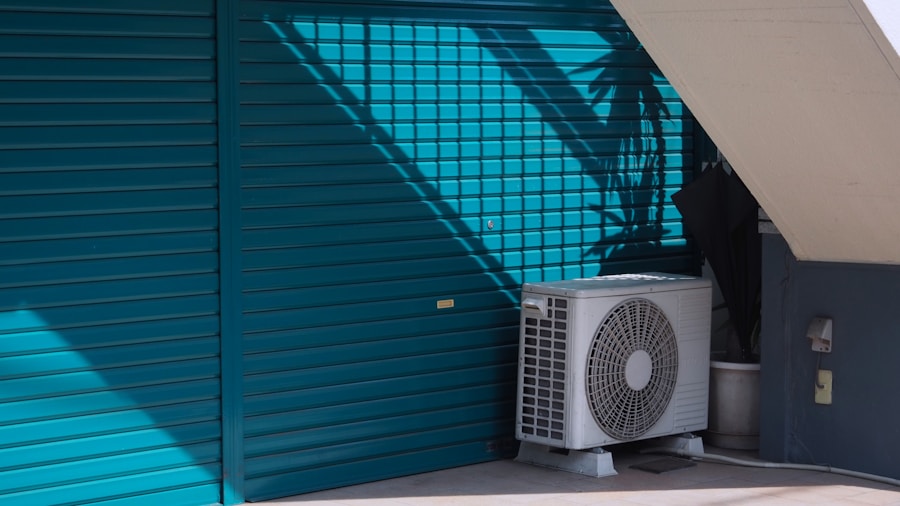
One of the most common mistakes happens during routine maintenance when technicians use the wrong cleaning product for the type of coil being serviced. Using an acidic condenser cleaner on an evaporator coil, for example, can gradually damage the aluminum fins through repeated applications. The coil appears clean and functions fine initially, but corrosion accelerates with each service visit. If the cleaner isn’t rinsed properly or the formula is designed to keep working over time, residue can actually trap dirt and degrade the coil faster than leaving it alone would have.
Equally important is applying protective coating after cleaning, especially if you live in coastal areas, industrial zones, or places with high humidity. Skipping this step might seem like a time-saver on the service call, but in harsh environments, coil replacement is one of the most expensive repairs a system can face. A properly protected coil can last significantly longer than an uncoated one exposed to salt air or chemical pollution.
Finding Real Leaks, Not False Alarms
Electronic leak detectors are standard diagnostic tools, but they have a significant limitation that many technicians overlook. These devices detect the presence of refrigerant nearby but cannot pinpoint the exact location where it’s leaking. As skilled HVAC graduates enter the workforce, proper training in diagnostics becomes increasingly critical for service quality. Sensor drift, background refrigerant from previous work, or contamination from neighboring equipment can produce false readings. A technician might identify a braze joint three inches away from the actual leak and make an expensive repair at the wrong location.
The professional standard combines electronic detection for area isolation with chemical bubble solutions for pinpoint visual confirmation. This two-method approach takes longer but ensures the repair addresses the actual problem. In cold climates, standard bubble solutions may not work effectively, so using a formula rated for extreme low temperatures is essential.
Sealants and Lubrication: Picking the Wrong Product
Two persistent shortcuts show up in system assembly. First, some technicians use permanent thread sealants on refrigerant flare fittings, which can damage the seating surfaces when the fitting needs to be opened at the next service visit. Second, others skip sealant entirely to save time. Even perfectly torqued flare fittings have microscopic imperfections that allow refrigerant to escape over time. A viscoelastic sealant fills those gaps without hardening, keeping the connection serviceable and leak-free long term.
System compatibility matters too. Using the wrong sealant or lubricant type can introduce contamination that clogs critical components, leading to much larger repair bills later. As major retailers expand HVAC distribution networks, quality parts and proper installation methods become even more important for ensuring systems deliver reliable performance.
Drain Pan Treatment: A Common Oversight

Placing a single tablet in the condensate pan during annual maintenance and considering the job complete is one of the most frequent mistakes in residential and light commercial HVAC service. Biofilm, a structured community of microbes encased in a protective matrix, builds up on pan and drain surfaces and resists conventional tablets. These slow-dissolve products only inhibit new growth nearby but don’t break down existing biofilm. The accumulated organic material continues to grow around the tablet, eventually blocking drainage lines.
Effective drain pan treatment requires active enzymatic breakdown of the existing biofilm matrix, not just prevention of new growth. A more thorough approach prevents the partial blockages that create the need for emergency calls later.
What This Means for You
These shortcuts aren’t signs of carelessness; they reflect time constraints and rationalization in the moment. But systems keep a perfect record even when service records don’t. Choosing a technician who matches products and methods to your specific situation, rather than defaulting to generic approaches, makes the difference between a service call that lasts and one that generates costly callbacks. When you schedule HVAC maintenance, ask about the specific cleaning products, coating application, and treatment methods being used, especially if you live in a challenging climate.











Write Your Review
No reviews yet. Be the first to share your experience!