

As fall transitions into winter, many homeowners face a critical decision about their garden. Should you rush to clear every leaf and cut down every perennial, or should you take a slower, more thoughtful approach to seasonal maintenance? The answer matters more than you might think, and it affects what tools and supplies you’ll need to invest in.
The Cleanup Timeline Challenge
Spring cleanup is often presented as the gardener’s ideal. However, real-world conditions frequently make this impractical. Many garden owners work with large planting areas, competing family obligations, unpredictable winter weather, and municipal yard-waste restrictions that limit how many bags can be picked up at once. These factors combine to create a situation where spring cleanup can extend well into early summer, sometimes lasting ten weeks or more. This delay means weeds gain a foothold and overwintered plant debris remains unsightly far longer than desired.
The practical solution many experienced gardeners adopt is a phased cleanup approach. Rather than attempting everything in one massive spring push, breaking the work into smaller sessions throughout fall and early winter becomes manageable. This strategy requires fewer specialized tools and allows you to work in smaller bursts as weather permits.
Beauty in the Details
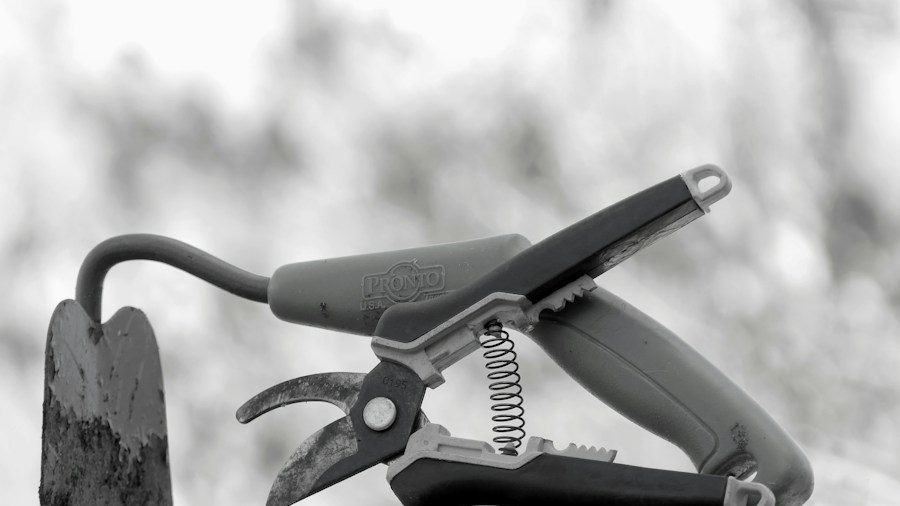
When you slow down your garden cleanup process, you discover something unexpected: late-season gardens offer genuine visual interest if you know where to look. As your planting beds become more bare, small moments of beauty emerge. The underside of Korean maple leaves catches the light in unexpected ways. Seed heads from clematis plants that flower a second time in cool weather create delicate geometric patterns. A single late blossom on a hardy cranesbill or the final black cohosh flowers attracting late-season bees add charm to an otherwise dormant landscape.
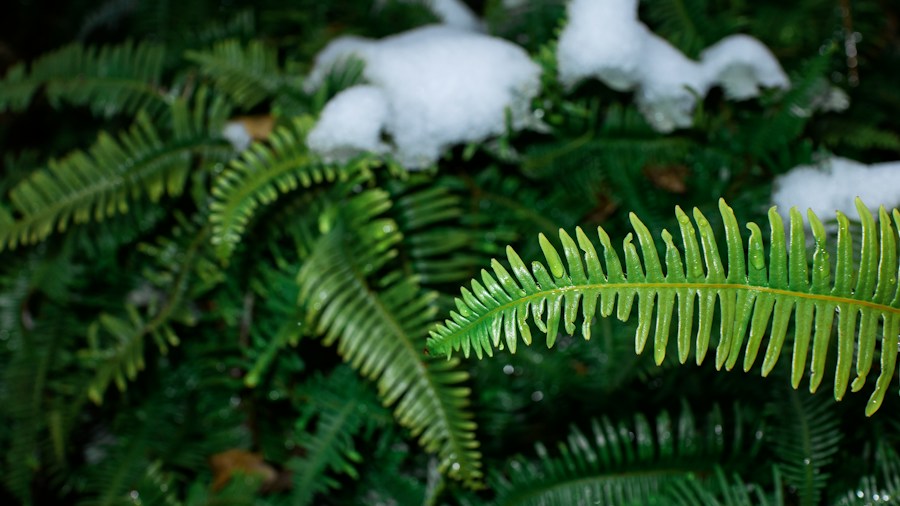
Evergreen ferns remain vibrant throughout winter, providing structure and color when deciduous plants have disappeared. Even understated elements like birch bark, overlooked when trees are fully leafed, become visual focal points. These small details remind gardeners that there is always something worth celebrating in a well-maintained landscape. This perspective shift can help you appreciate your outdoor space year-round, rather than viewing fall and winter as purely transitional seasons.
Smart Tool and Product Choices
As you plan your fall and winter garden care, selecting the right equipment makes a significant difference. Small urban gardens require compact, versatile tools that don’t require extensive storage space. Cordless reciprocating saws offer variable speed control and can handle both pruning and cutting fallen branches efficiently. Extendable pruning poles with sharp, drop-forged blades allow you to safely remove larger limbs without climbing ladders or hiring professionals.
Beyond power tools, reference materials become invaluable as you plan pruning strategies. Comprehensive guides specific to your region’s trees and shrubs ensure you prune at the right time and use proper techniques. These resources detail the fifty most commonly cultivated woody plants and provide illustrated instructions so you make correct cuts the first time, reducing damage and promoting healthy regrowth.
Rethinking Winter Yard Maintenance
Leaving leaves and perennial tops in place over winter benefits wildlife and soil health. However, this ecological approach doesn’t mean complete abandonment of your garden beds. Holiday garden displays and winter interest plantings benefit from selective cleanup and maintenance. Removing diseased plant material prevents pest and disease spread. Clearing dead annuals and accumulated debris around plant crowns reduces rot and fungal problems during spring thaw.
The key is balance. Rather than viewing fall cleanup as an all-or-nothing proposition, consider what actually needs removal versus what can safely remain. A partially cleaned garden might look less manicured, but it supports beneficial insects, birds, and soil organisms while reducing the total labor required from you. This phased approach also distributes the physical demands across several weeks, making the work more sustainable for homeowners with limited time or mobility.
Planning for Next Season
As you work through fall cleanup, you’re simultaneously preparing your garden for spring success. English garden design trends emphasize layered plantings and thoughtful plant combinations that perform across multiple seasons. Observing which plants display attractive fall characteristics, produce interesting seed heads, or retain winter interest helps guide future planting decisions.
Many experienced gardeners discover that the small vignettes of late-season beauty drive their plant selections for the coming year. If you notice a particular shrub’s vibrant fall foliage or appreciate an evergreen fern’s winter presence, these observations become valuable shopping guides when spring nursery season arrives. Taking photographs during your fall cleanup documents these moments and creates a visual reference for future improvements.
By embracing a measured approach to fall garden cleanup, purchasing thoughtfully selected tools and reference materials, and appreciating the quiet beauty of your landscape as it transitions, you create a sustainable rhythm for gardening that respects both your time and your outdoor space.












Write Your Review
No reviews yet. Be the first to share your experience!