

When homeowners invest in insulation upgrades, many assume the work is straightforward: add more material, seal some gaps, and enjoy lower energy bills. The reality is far more complex. A new wave of building-performance experts is changing how insulation work gets done in residential homes, emphasizing that quality depends on understanding your entire home as an interconnected system.
Margo Valdes, founder of a specialized weatherization firm, spent years watching contractors struggle because they lacked this systems-based understanding. After working as a building consultant and energy rater, she observed a troubling pattern: contractors who focused narrowly on insulation and air-sealing without grasping the bigger picture often created problems they didn’t anticipate. Adding insulation affects moisture levels in your walls. Sealing air leaks changes how your ventilation operates. These connections matter.
Building Science Drives Better Results
Valdes holds degrees in economics and physics and credits her foundation in building science to years at a home energy rating company. There, she received hands-on training in evaluating homes, selecting appropriate insulation types, and performing air-sealing work. She transitioned to consulting, where she spent seven years managing retrofit projects on existing buildings. That experience crystallized her conviction: weatherization contractors need deeper knowledge about building behavior to do excellent work.
This insight led her to launch her own company focused exclusively on residential air-sealing and insulation improvements. The business model centers on education. Every new employee spends weeks in hands-on field training and diagnostic inspections, learning not just the technique but the reasoning behind each decision. This approach distinguishes her work from standard contractor services, where speed often takes priority over understanding.
What This Means for Homeowners Shopping for Insulation Work
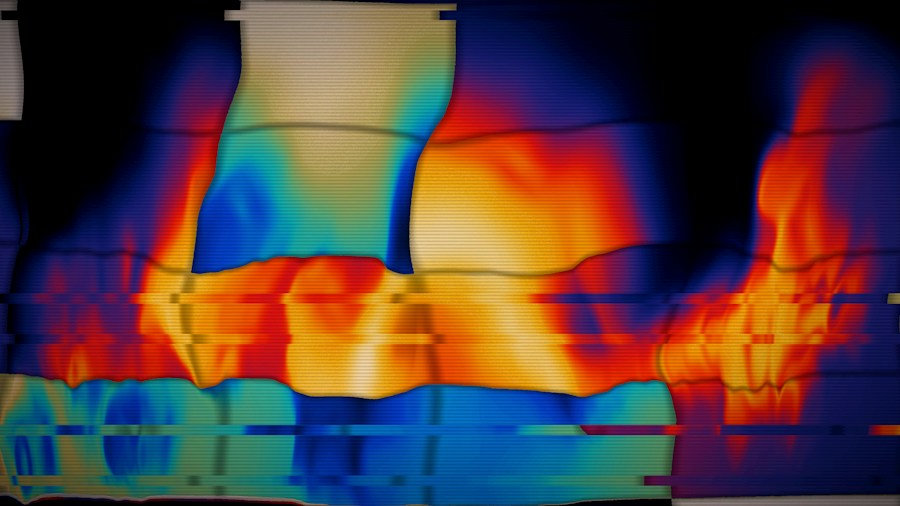
If you are planning an insulation upgrade or air-sealing project, knowing what to look for in a contractor has become more important. The proliferation of specialized firms prioritizing building science represents a shift in the industry. When evaluating attic insulation and other energy-loss solutions, ask potential contractors whether they conduct diagnostic assessments before recommending work. A thorough evaluation should include thermal imaging, blower-door testing, or moisture checks to identify your home’s specific weaknesses.
Contractors following a systems-based approach will explain how their recommendations address multiple problems simultaneously. If they suggest adding insulation, they should discuss whether your ventilation can handle it. If they plan air-sealing work, they should address moisture management. This holistic thinking prevents costly mistakes, such as trapping moisture in walls or creating dead zones where air becomes stale.
Valdes envisions eventually expanding her firm into a full-service building-enclosure operation, but for now she remains focused on the fundamentals that founded her business: thoughtful, educated work. This philosophy reflects a broader industry recognition that weatherization is a craft requiring knowledge, not just labor.
Choosing the Right Approach for Your Home
When you explore garage insulation and other specific applications, consider whether the contractor treats your home as a system. Some questions to ask include: What diagnostic tools do they use? Do they explain moisture management? Will they discuss how their work affects ventilation? Can they reference past projects with similar home types?
The trend toward systems thinking in weatherization is encouraging for homeowners tired of quick fixes that underperform. It also means choosing a contractor has become more nuanced. The cheapest bid may come from someone who skips the diagnostic phase. The best value often comes from someone who invests time understanding your home before swinging a hammer.
For those considering vented roof insulation during renovations, this principle applies equally. A knowledgeable contractor will evaluate your current ventilation strategy and existing insulation depth before recommending changes. They will also calculate whether adding insulation affects your roof’s ability to dry properly.
The growing availability of building-science-trained contractors signals a maturing market. Homeowners benefit when expertise becomes the standard rather than the exception. As you plan your next weatherization project, seek out professionals who ask questions before providing answers, explain the reasoning behind recommendations, and treat your home as an integrated whole rather than a collection of separate components.











Write Your Review
No reviews yet. Be the first to share your experience!