

A Fresh Alternative to Traditional Window Coverings
For decades, curtains and blinds have been the go-to solution for controlling light, privacy, and room aesthetics. But a growing number of homeowners are discovering that there’s a more creative way to dress up windows without relying on fabric at all. By painting decorative borders directly onto the wall surrounding your window frame, you can add personality, color, and pattern to any room while maintaining your view and letting natural light pour in. This trend is gaining traction among DIY enthusiasts and design-conscious shoppers who want something truly unique.
Why This Approach Makes Sense for Modern Homes
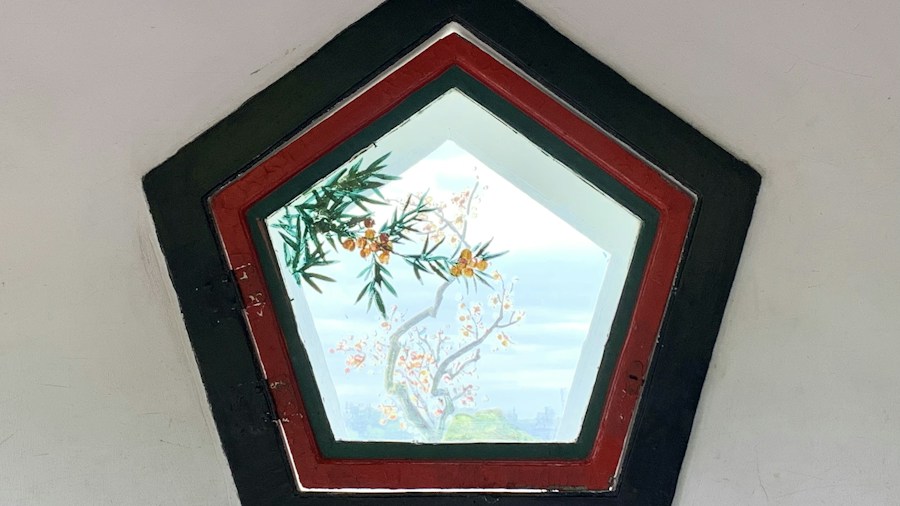
Heavy drapery and large curtain panels work well in many settings, but they come with real limitations. In small spaces, cramped corners, or rooms where natural light is a priority, traditional window treatments can feel obstructive rather than decorative. If you love the warmth of sunshine streaming through your windows, covering them with thick fabric defeats the purpose of having windows in the first place. That’s where painted window borders step in as a smart alternative. They deliver visual interest, texture, and color without sacrificing your view or blocking sunlight. You can even layer this approach with minimal window coverings if needed. For example, Roman blinds or window films in coordinating colors offer subtle privacy without covering your painted design.
Getting Started: Tools and Materials You’ll Need
The beauty of this project is its simplicity and affordability. You’ll need painter’s tape to define your design boundaries, your choice of paint colors, and a few brushes for applying details. If you’re not confident in hand-painting, consider picking up small stamps or stencils to create consistent patterns. The entire setup costs just a few dollars and is likely something you already have on hand. Because it’s paint-based, any mistakes are easily fixable, too. If your first attempt doesn’t match your vision, simply paint over it and try again.
Step-by-Step Process for Painting Your Border
Start by taping the edges around your window frame with painter’s tape. This creates clean lines and gives your design a polished, frame-like appearance. Apply your base color within the taped area and let it dry completely. Next, use low-adhesion painter’s tape to map out your secondary design. Whether you’re creating a checkered pattern, hand-painting folky florals, or using stamps and stencils for a regular repeat pattern, the tape will help keep everything crisp and prevent paint bleeding. Once your design is complete and the paint begins to dry, carefully peel away the tape to reveal your finished work.
Don’t worry if the edges aren’t absolutely perfect. Take a small brush and do some touch-ups to clean up any bleeding or uneven spots. A little imperfection might seem minor, but since your window border will become a focal point in the room, taking time to refine it is worth the effort.
Expanding Your Design Throughout the Room
Once you’ve completed your window border, consider extending the concept to other areas of your home. Paint one of your design colors onto the windowsill itself to create cohesion and even influence the quality of light entering the room. Carry the same pattern down to your baseboards, around doorway edges, or even along the inside edge of your door frame. These touches create a trendy, whimsical aesthetic that ties your entire space together. Just as careful curtain placement can enhance spatial perception, thoughtful paint accents can completely transform how a room feels and functions.
Combining Painted Borders with Smart Window Treatments
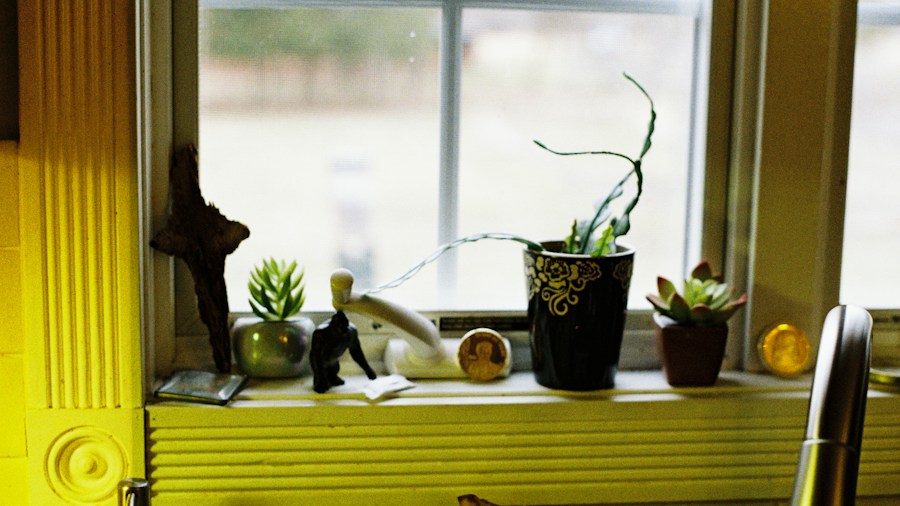
This painted accent doesn’t require you to abandon window coverings entirely. If you work with a small space, window films provide privacy without bulk or visual clutter. Budget-conscious shoppers can also explore affordable alternatives to traditional curtain systems, but inset Roman blinds in a color you used in your painted design offer excellent light control while keeping your artwork visible. The key is customizing your approach to fit your specific needs and preferences.
Why Shoppers Are Making This Switch
This trend appeals to homeowners for several reasons. It’s inexpensive, customizable, reversible, and doesn’t require any permanent installation. It works in virtually any design style, from maximalist and bold to subtle and understated. Best of all, it delivers a high-impact, personalized result that feels completely your own. Whether you’re renting and want temporary updates or you’re a homeowner seeking a quick weekend project, painted window borders offer a creative middle ground between bare windows and heavy traditional treatments.












Write Your Review
No reviews yet. Be the first to share your experience!