

Your mattress plays a bigger role in sleep quality than many people realize. While a hectic schedule or late-night habits get the blame for poor rest, the bed itself deserves serious consideration. The right mattress can transform how you feel each morning, but understanding which features truly matter will help you make a smarter purchase.
How Your Mattress Affects Sleep Quality
Sleep quality involves much more than logging enough hours in bed. It encompasses how quickly you fall asleep, whether you experience nighttime interruptions, and how refreshed you feel upon waking. Your mattress directly influences this experience by shaping the physical environment where sleep happens.
A mattress that feels too firm can create uncomfortable pressure on your shoulders and hips. Conversely, one that’s too soft causes excessive sinking and inadequate support for your spine. Temperature regulation matters equally. A mattress that traps heat frustrates warm sleepers, while partner movement can create constant disturbance. Research suggests that medium-firm mattresses with individually adjustable options tend to produce favorable comfort and sleep-quality outcomes, though this doesn’t mean everyone should rush to buy one specific type.
Firmness vs. Support Are Not the Same Thing
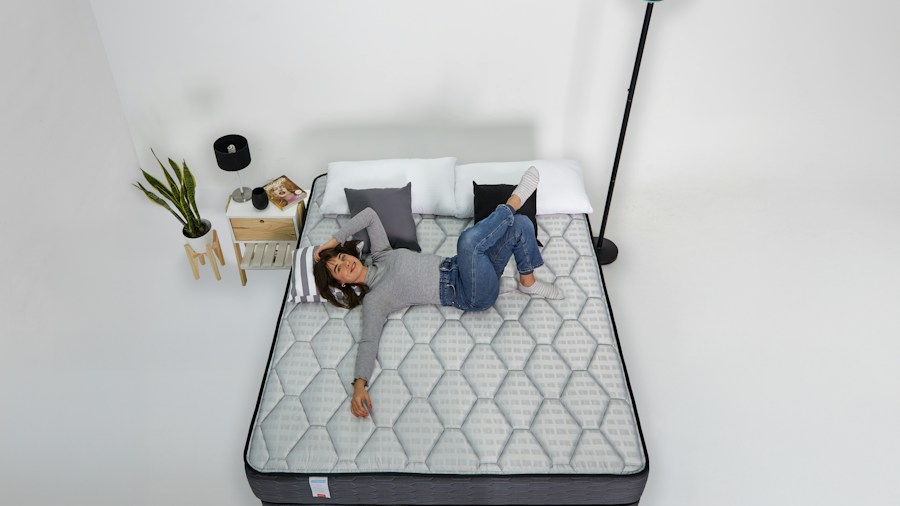
These terms get used interchangeably, but they describe different qualities. Firmness refers to how soft or hard a mattress feels when you lie on it, while support describes how well the construction accommodates your body weight and maintains proper spinal alignment. The goal is finding balance: your mattress should cushion your body’s natural curves while preventing you from sinking too deeply.
Side sleepers place pressure on different parts of the mattress than back or stomach sleepers, which is why one-size-fits-all recommendations rarely work in practice.
Your Sleeping Position Shapes Your Ideal Mattress
Your preferred sleeping position is one of the most useful starting points when shopping. Side sleepers typically benefit from extra cushioning around shoulders and hips where most of their weight concentrates. An overly firm mattress feels uncomfortable in these pressure zones. Back sleepers generally prefer a balanced combination of cushioning and support, allowing hips and lower back to rest without excessive sinking. Stomach sleepers need a firmer surface that prevents their midsection from sagging. Combination sleepers benefit from responsive designs that make position changes effortless. Couples may prioritize motion isolation so partner movement doesn’t disrupt sleep.
Remember these are starting points, not strict rules. Body weight, mattress construction, and personal preference can significantly change how any firmness level actually feels.
Pressure Relief Makes a Real Difference
Pressure relief describes how effectively a mattress distributes your weight across its entire surface rather than allowing excessive pressure to concentrate in a few contact points. Memory foam typically contours closely to your body, while latex offers a more responsive sensation. Hybrid mattresses blend cushioning layers with supportive springs, often delivering a balance of both. Some advanced designs feature zoned support systems where different areas provide varying levels of cushioning or resistance tailored to specific body parts.
The right amount of pressure relief depends heavily on your sleeping position and body type. Premium mattress features worth your money often emphasize pressure relief as a key investment. Testing a mattress in your actual sleeping position provides more reliable information than relying solely on advertised firmness ratings.
Temperature Control and Heat Management
Your body naturally undergoes temperature changes as you prepare for and progress through sleep. An overly warm or cold sleeping environment makes staying comfortable difficult. Health experts recommend keeping bedrooms quiet, relaxing, and cool as part of good sleep hygiene. Mattress materials directly affect this by controlling how heat and moisture move around your body. Dense foam retains more warmth, while breathable covers, ventilated layers, and certain hybrid constructions improve airflow.
Some mattresses incorporate passive cooling materials that draw heat away without electronic components. Others feature active temperature-management technology that warms or cools the bed electronically. Neither guarantees perfect sleep, but distinguishing between them helps hot sleepers select appropriate solutions.
Movement and Adjustability Matter More Than You Think

Most people change positions multiple times nightly, and these movements affect mattress comfort. A surface that feels supportive on your back might create pressure when you roll onto your side. Adjustable mattress technology has become increasingly popular because it allows personalization without replacing the entire bed. Some designs let you manually adjust firmness, while others use sensors to make automatic micro-adjustments as pressure changes throughout the night.
For couples with different firmness preferences, independent side adjustments eliminate compromise. Budget memory foam options sometimes lack this flexibility, so evaluate what matters most before purchasing.
Choosing Your Next Mattress
Before replacing your current mattress, identify what specifically causes discomfort. Do you feel pressure around shoulders or hips? Does it feel too soft or rigid? Are you frequently overheated, or does your partner’s movement disturb you? Your answers guide which features deserve priority when shopping.
When testing mattresses, lie in your usual sleeping position long enough to assess support and cushioning. Examine construction details, available firmness options, cooling features, and motion isolation capabilities. Consider tips to extend your mattress lifespan during the selection process. Don’t overlook practical details including trial periods, warranties, return policies, and frame compatibility.
Your mattress is one component of a larger sleep environment, but an important one. Choosing a mattress suited to how you actually sleep proves far more valuable than simply selecting the softest, firmest, or most technologically advanced model available.












Write Your Review
No reviews yet. Be the first to share your experience!